Amazon has committed to purchasing 1.95 million tons of carbon removal credits from a restoration project located in South Africa's Eastern Cape. This significant commitment by the e-commerce giant was instrumental in enabling the World Bank to launch its innovative Spekboom Outcome Bond. The project focuses on ecological restoration efforts within the Albany thicket region of the Eastern Cape. This development was reported on July 2, 2026, marking a notable step in corporate carbon offsetting strategies and conservation finance. Amazon's commitment to buying 1.95 million tons of carbon removal credits shows a growing trend in private sector investment in nature-based climate solutions. These credits are slated to be generated over more than a decade, reflecting a long-term engagement with the environmental initiative.
Restoration Project Details
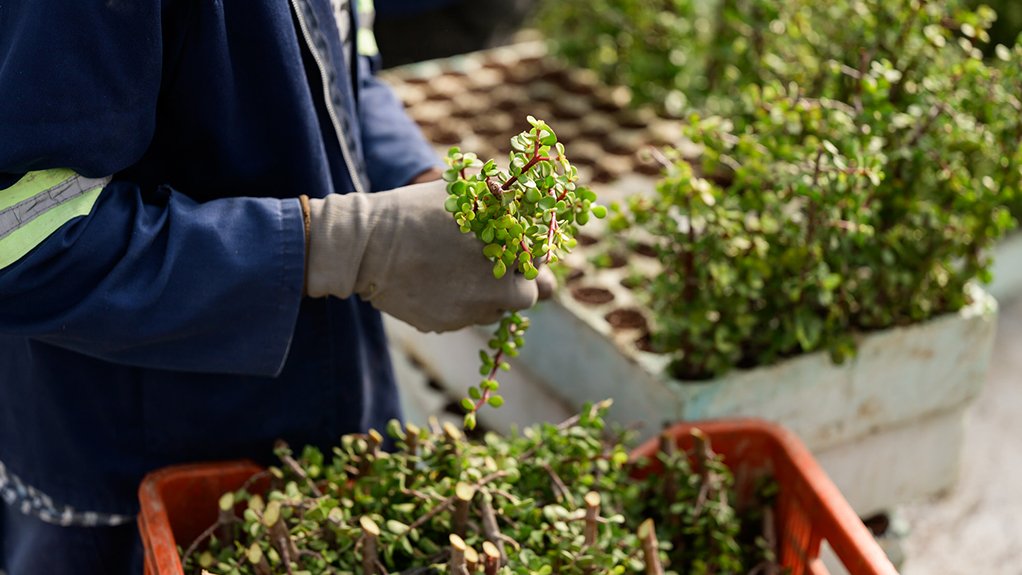
The restoration project aims to plant 180 million spekboom shrubs by 2028. Phase one of this initiative, which began in April 2024, involves planting over 30 million plants across 10,000 hectares. Spekboom, scientifically known as Portulacaria afra, is a succulent plant native to South Africa, recognized for its carbon sequestration capabilities. The initial phase of planting represents a substantial undertaking, laying the groundwork for the broader restoration goals. This systematic approach to ecological recovery is designed to maximize the project's environmental benefits over time.
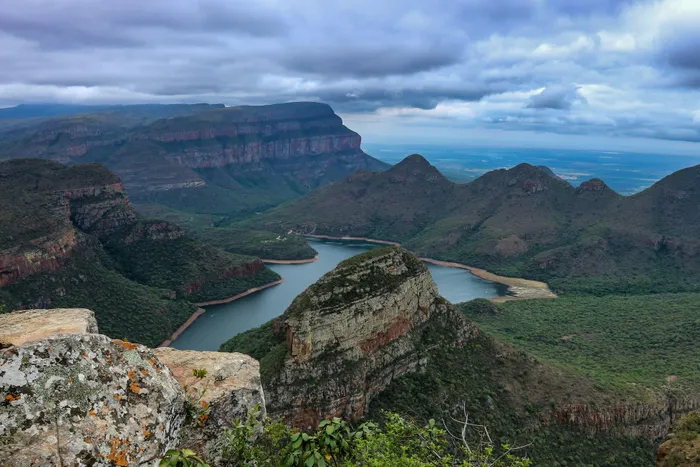
Amazon's support for the project is expected to facilitate the restoration of over 50,000 hectares of degraded land within the Albany thicket region. Environmental scientists indicate that spekboom has a notable capacity to remove carbon from the atmosphere, with rates comparable to those observed in young tropical forests. The plant's unique photosynthetic process allows it to absorb significant amounts of atmospheric carbon dioxide, even in arid conditions, making it particularly well-suited for the semi-arid conditions of the Eastern Cape. This ecological restoration effort is concentrated in South Africa's Eastern Cape, focusing on revitalizing biodiversity and enhancing ecosystem services in the area. The long-term nature of the carbon credit generation, spanning more than a decade, notes the sustained environmental impact expected from the widespread planting of spekboom.
Community and Economic Impact
The restoration program is projected to create an estimated 11,000 jobs by 2030, according to project developers. This initiative aims to provide significant employment opportunities within the local communities, contributing to economic development in the region. The job creation is anticipated across various stages of the restoration process, including plant cultivation, planting, and ongoing maintenance activities associated with the spekboom thickets. These jobs will not only provide direct income but also foster skill development and capacity building within the local workforce.
Beyond employment, the project is also expected to inject more than $500-million into surrounding communities. This substantial investment will flow into the local economy through wages, procurement of goods and services, and other economic activities generated by the large-scale restoration efforts. The financial injection is intended to support local businesses and improve livelihoods for residents in the areas affected by the ecological restoration in South Africa's Eastern Cape. The economic benefits are designed to be sustainable, creating a positive feedback loop where environmental restoration supports community prosperity, and vice-versa.
Credit Quality and Climate Goals
The carbon removal credits from the South African restoration project will be generated over more than a decade. These credits are designed to meet high standards, including the ABACUS label and Climate, Community & Biodiversity (CCB) certification. The project's commitment to these standards helps to ensure the environmental and social integrity of the carbon offsets, providing assurance to purchasers like Amazon regarding the quality and impact of their investment. The ABACUS label signifies adherence to rigorous scientific and methodological principles for carbon accounting, while CCB certification ensures that the project delivers tangible benefits for climate, local communities, and biodiversity.
Amazon has indicated that its involvement in the project aligns with the company's Climate Pledge goal to reach net-zero carbon emissions by 2040. This purchase represents a strategic investment in nature-based solutions to support its sustainability targets, demonstrating a commitment to addressing climate change through verifiable carbon removal. Independent assessment of the project's credit quality has also been conducted. The project holds an 'AA.pre' Standalone Rating from BeZeroCarbon, further validating the anticipated effectiveness of its carbon removal efforts. This rating reflects an early assessment of the project's ability to deliver its promised carbon benefits, providing an additional layer of confidence in the project's environmental efficacy and its contribution to Amazon's climate objectives. The long-term nature of the credit generation ensures a sustained impact on atmospheric carbon levels and continued support for the ecological and economic well-being of the Eastern Cape.