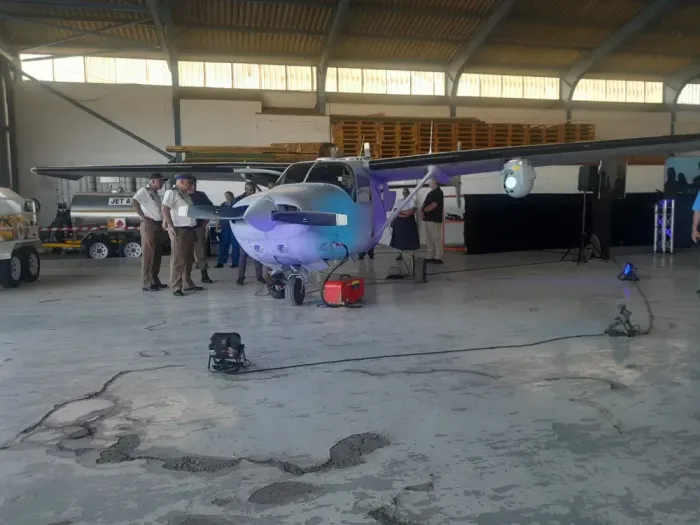
The City of Cape Town has officially terminated the contract for its R100 million "Eye in the Sky" aerial surveillance project, which was designed to provide advanced monitoring capabilities across various areas. This significant decision marks the end of a controversial initiative that aimed to bolster security measures, particularly within vulnerable communities such as the Cape Flats. The project's cancellation was formally confirmed by City officials, following a period of scrutiny regarding its operational effectiveness and financial implications. The termination of the R100 million contract shows the City's response to identified issues, bringing the aerial surveillance program to a definitive halt.
Project Costs and Concerns
The R100 million contract for the "Eye in the Sky" project was terminated by the City of Cape Town due to non-compliance issues, as stated by City officials. The technology associated with the initiative incurred significant costs during its operational period. For the specific timeframe from April 2024 to March 2025, the project's expenses amounted to R16.3 million. This substantial figure covered a range of critical components, including essential training for personnel, day-to-day operational expenses, and the considerable costs associated with data storage for the extensive surveillance system. The reliance on advanced aerial technology also presented a continuous financial outlay.
Maintaining the surveillance plane, a core component of the "Eye in the Sky" initiative, also presented a substantial financial burden. Estimates placed the cost of operating the aircraft at R60,000 for every single hour of flight time. This hourly rate contributed significantly to the overall expenditure of the project. City budget documents provide a broader insight into the financial commitment to the drone programme, indicating that at least R27 million had been allocated between the 2023/24 financial year and the 2028/29 financial year. This allocation notes the long-term financial planning initially associated with the aerial surveillance efforts, which has now been curtailed by the contract's termination. The decision to terminate the contract was a direct consequence of the non-compliance issues identified, leading to the cessation of this high-cost surveillance operation.
Related Safety Initiatives Under Review
In addition to cancelling the "Eye in the Sky" contract, the City of Cape Town is currently reviewing the ShotSpotter project. The ShotSpotter system, an acoustic gunshot detection technology, has been deployed in the Cape Flats area as another key component of the City's broader safety strategy. This system is designed to identify and pinpoint the location of gunshots, aiming to improve response times for law enforcement. The operational costs for the ShotSpotter project are projected to reach nearly R30 million for the period spanning from 2022 through 2025. The review of ShotSpotter indicates a broader re-evaluation of the City's investment in advanced security technologies and their effectiveness. The ongoing assessment will likely consider both the operational performance and the financial sustainability of the system, similar to the scrutiny that led to the termination of the "Eye in the Sky" project.
Calls for Transparency and Accountability
The "Eye in the Sky" project was operational between April 2024 and March 2025, during which time it generated significant public interest and debate. Following the termination of the contract, Michal Koton, a prominent voice on public accountability, stated that the City of Cape Town must provide full clarity regarding its procurement processes and the actual performance outcomes of these safety initiatives. Koton emphasized that residents possess a fundamental right to understand how decisions are made concerning public safety funding, especially given the considerable financial outlays involved in projects like "Eye in the Sky" and ShotSpotter. The call for transparency extends to understanding the criteria used for selecting these technologies, the metrics by which their success was measured, and the specific reasons for the non-compliance that led to the "Eye in the Sky" contract's termination. This push for greater accountability reflects a community desire for more detailed information on how public funds are utilized for security enhancements.