On April 27th, 1994, the author reported from the streets of Gugulethu, Khayelitsha, and Crossroads, observing a moment understood as a significant historical turning point. Indeed, on that historic day, the author stood on the streets of Gugulethu, Khayelitsha, and Crossroads and felt that history had turned, marking a profound shift in the nation's trajectory. This experience reflected a broader narrative of societal change, a key moment that reshaped the future for millions. Today's generation is described as inheriting a world currently undergoing its own period of transition, facing a complex array of challenges and opportunities that demand new forms of engagement and courage. This inheritance is not merely a passive reception but an active call to shape the future, much like previous generations responded to their own inherited circumstances.
Echoes of Past Struggles
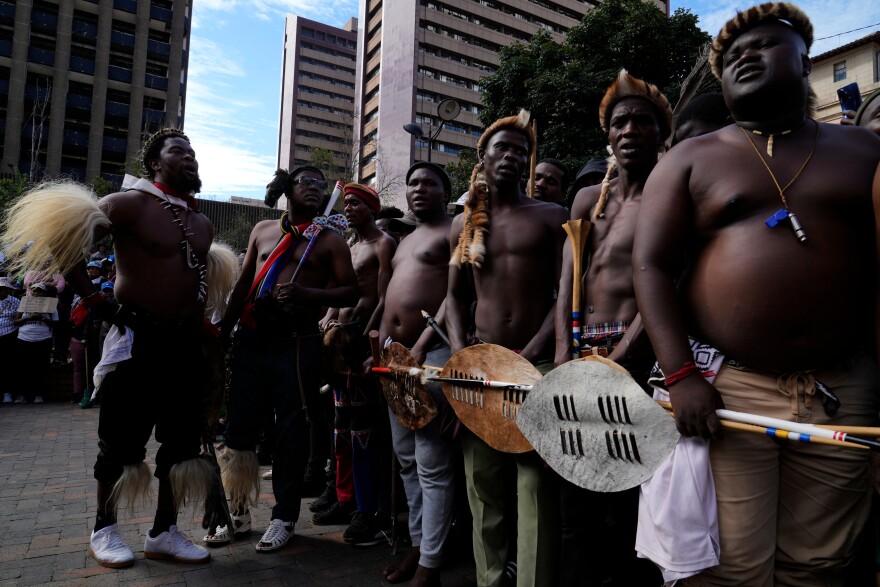
On April 27th, 1994, the song "Black President" by Brenda Fassie resonated from taxi speakers, marking a significant moment in South African history. The powerful anthem, blasting from vehicles traversing the newly liberated streets, served as an auditory backdrop to the palpable sense of change and hope that permeated the air. This period of transition followed decades of struggle, with previous generations confronting distinct societal challenges that demanded immense fortitude and resilience. The students of 1976, for instance, challenged the apartheid system, a political and social order they had inherited, which systematically oppressed the majority of the population. Their courageous stand against an entrenched regime demonstrated a profound commitment to justice and equality. Black Consciousness played a key role in helping them to understand and ultimately resist this system, providing an ideological framework that empowered them to challenge the dehumanizing structures of apartheid. The legacy of their resistance continues to inspire contemporary movements for social change.
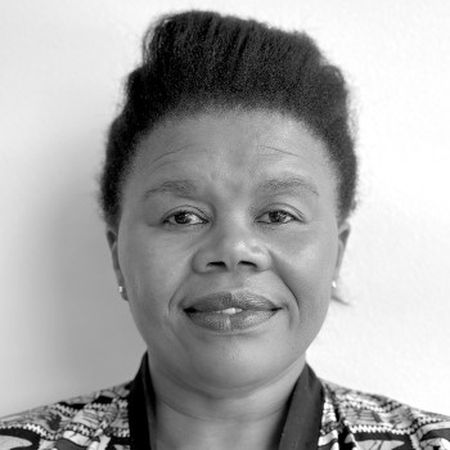
Sipho Mthathi, a political analyst, articulated the generational shifts in understanding and resistance, noting how each era grapples with its inherited realities. Mthathi stated, "The students of 1976 inherited apartheid, and Black Consciousness helped them understand and resist it." This statement shows the critical role of intellectual and political frameworks in enabling resistance against oppressive systems. She further explained that her own generation "inherited democracy and the liberation Struggle gave us a language of possibility." This language of possibility, forged in the crucible of anti-apartheid activism, provided a blueprint for building a new, more equitable society. Mthathi observed that the Fallists, a more recent student movement, "inherited a democratic settlement and found a language for naming what was betrayed," indicating a critical re-evaluation of the post-apartheid era's promises and shortcomings. She concluded by posing a pertinent question about the current generation, which "is inheriting a world in transition," asking "what language, what values and what examples we are placing in their hands." This question challenges society to consider its responsibility in equipping young people with the tools necessary to navigate their complex inheritance.
The concept of inherited struggles and the language used to address them extends to political figures who have challenged established norms within the democratic dispensation. Pregs Govender, while serving as an African National Congress (ANC) Member of Parliament, voted against the Arms Deal, demonstrating a profound willingness to oppose government decisions on ethical grounds, even when it meant defying party lines. Her actions exemplified a commitment to principles that transcended political expediency. Such actions reflect a lineage of individuals who have taken stands against perceived injustices, echoing the courage observed in past movements and demonstrating that the fight for integrity continues even within democratic structures. The experiences of these different generations highlight a continuous process of engagement with the prevailing social and political landscapes, each seeking to define and shape their inherited world, often through acts of profound courage and conviction.
Challenging Inherited Compromises
The author's generation inherited democracy, and the liberation Struggle provided them with a language of possibility, according to observations made in the broader context of generational shifts. This understanding of inherited circumstances and the means to challenge them has evolved over time, reflecting a dynamic relationship between past achievements and present aspirations. Subsequent movements have grappled with their own inherited conditions, leading to new forms of activism and critique that seek to push the boundaries of what is considered acceptable or just. These movements often emerge from a critical examination of the compromises made by previous generations, aiming to rectify perceived historical injustices or address unfulfilled promises.
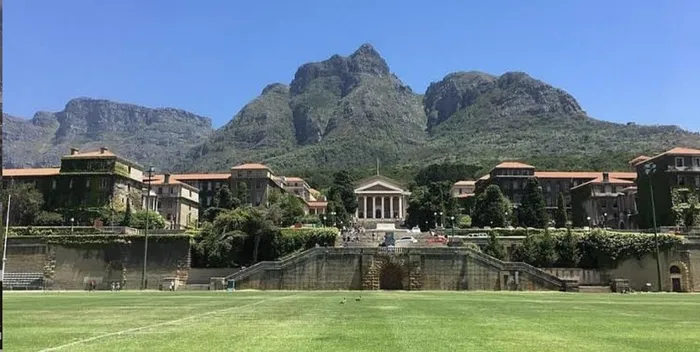
A notable challenge to inherited assumptions occurred in 2015, when Chumani Maxwele threw human excrement at a statue of Cecil John Rhodes at the University of Cape Town. This audacious act served as a powerful catalyst for broader student movements, igniting a national conversation about symbols of colonial oppression and the legacies of apartheid. The movements known as Rhodes Must Fall and Fees Must Fall subsequently emerged, directly challenging established norms and inherited structures within South African society. These movements questioned the legacies and compromises that shaped the democratic transition, demanding a more thorough decolonization of educational institutions and greater access to higher education for all. The actions of these students brought to the forefront the deep-seated grievances that persisted despite the country's democratic progress, noting the unfinished business of transformation.
The Fallists, as participants in these movements were known, challenged the democratic transition itself, arguing that certain aspects of the post-apartheid settlement had fallen short of their ideals. Their activism noted perceived betrayals of the democratic promise, particularly concerning economic inequality, racial injustice, and the persistence of colonial symbols within public spaces. The Fallists inherited a democratic settlement and, through their actions and demands, found a language for naming what they considered to be betrayed, articulating a powerful critique of the status quo. This generation engaged with the outcomes of previous struggles, seeking to redefine the terms of their inherited world and demanding a more radical transformation. Their actions brought to the forefront debates about decolonization, access to education, and the symbolic representation of history within public spaces and institutions, forcing a re-evaluation of national identity and historical memory. Their demands for free, decolonized education resonated deeply with many, showing the ongoing struggle for true liberation.
New Frontiers of Action
Young people globally are inheriting a world characterized by climate instability, deepening inequality, democratic erosion, and ongoing conflicts. This complex inheritance presents a formidable set of challenges that demand innovative and courageous responses. This generation is actively engaged in addressing these challenges through various forms of activism, demonstrating a profound commitment to shaping a more just and sustainable future. Their efforts range from local community initiatives to global advocacy campaigns, reflecting a multifaceted approach to systemic problems.
Across universities, young individuals are actively pursuing the decolonization of educational institutions, questioning established religious structures, and advocating for a more inclusive society. These actions signify a broad engagement with inherited systems and norms, seeking to dismantle structures that perpetuate inequality and exclusion. They are challenging curricula, institutional practices, and the very foundations of knowledge production, demanding that education be relevant, representative, and liberatory. The situation in Gaza serves as a stark reminder that the inheritance of disillusionment is not an abstract concept but a lived reality for many, where geopolitical conflicts and humanitarian crises show the fragility of peace and justice in a world fraught with inherited tensions. This visceral experience of global injustice fuels a powerful drive for change.
Beyond institutional challenges, young people are undertaking practical initiatives, such as growing food within their communities, fostering self-sufficiency and challenging industrial food systems. They are also contesting digital systems, advocating for data privacy, ethical AI, and equitable access to technology, recognizing the profound impact of the digital realm on modern life. They are demanding accountability for the impacts of a changing climate, holding corporations and governments responsible for environmental degradation and pushing for urgent climate action. Young people are making menstruation a political question, pushing it into Parliament, school policy, and public accountability, transforming a previously taboo subject into a matter of public health and human rights. This full approach demonstrates a generation unwilling to accept the status quo, actively working to build alternative futures. However, not all youth mobilization aligns with inclusive principles, noting the complex nature of generational action. In schools around Kraaifontein, for instance, young people have been observed mobilizing to compel the children of foreign nationals to leave their classrooms, illustrating the concerning emergence of xenophobic sentiments even within youth movements. This serves as a critical reminder that the inheritance of prejudice can manifest in new and troubling ways, requiring vigilance and sustained efforts to promote tolerance and understanding.
The Enduring Call to Courage
Young individuals are actively engaging in political spheres, challenging inherited power structures, and participating in actions such as the toppling of statues, as part of their efforts to reshape established norms. These activities reflect a broader trend of youth involvement in advocating for change within various societal contexts, from local communities to international forums. Their willingness to confront symbols of oppression and demand accountability from those in power shows a deep commitment to justice and equity. They are entering politics, not just as voters, but as active participants, seeking to transform governance from within and without. This engagement signifies a proactive approach to their inherited world, refusing to be passive recipients of historical trajectories.
Beyond symbolic acts, young people are also driving policy discussions by elevating issues like menstruation into the political arena. They are pushing for its inclusion in parliamentary debates, influencing school policies, and demanding public accountability concerning menstrual health and hygiene. This focus aims to address historical oversights and ensure that essential aspects of well-being receive appropriate attention and resources, challenging societal taboos and advocating for practical solutions. The collective actions of this generation demonstrate a profound commitment to addressing both systemic inequalities and practical, everyday concerns, embodying a full approach to social change. Their courage lies not only in grand gestures of defiance but also in the persistent, often unglamorous, work of advocating for fundamental rights and necessities, ensuring that the legacy they leave is one of greater justice and possibility for those who will follow.