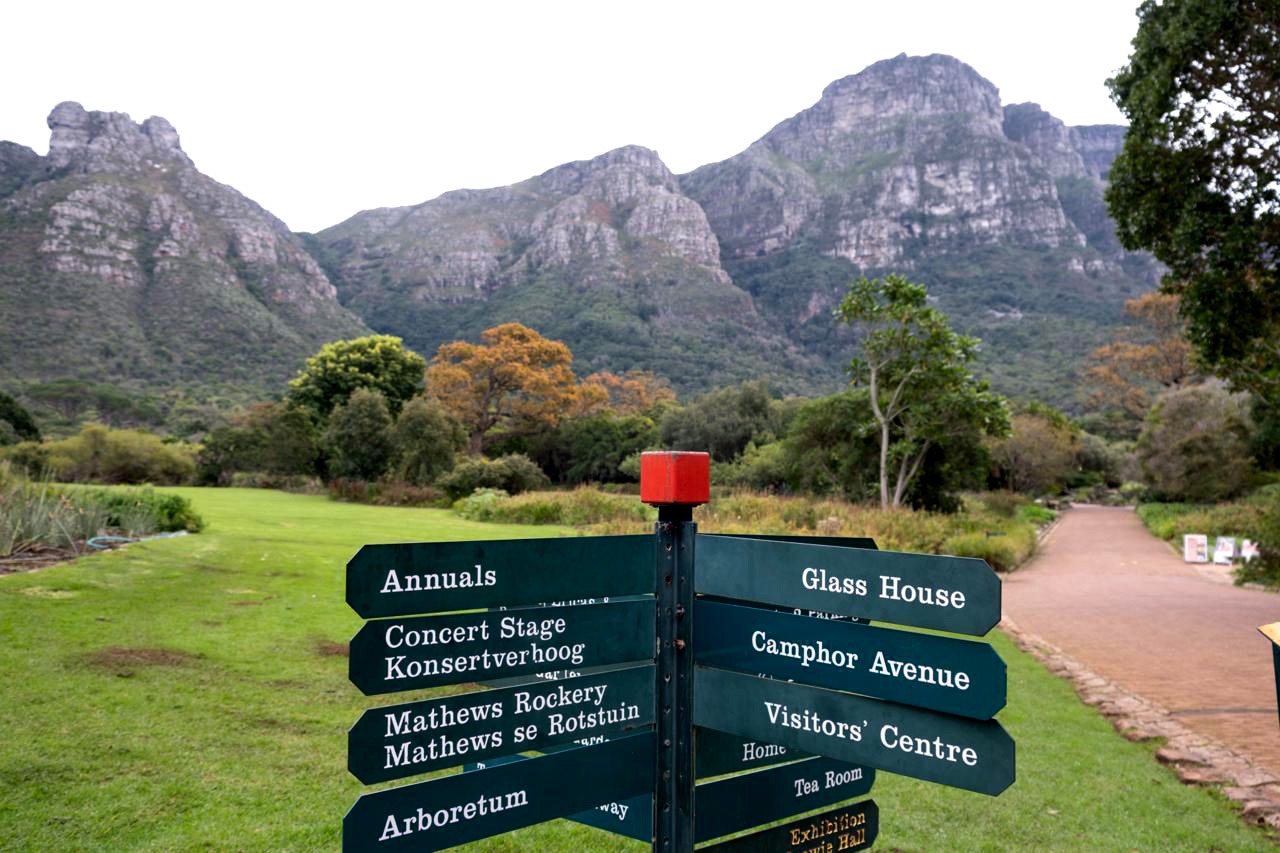
Kirstenbosch National Botanical Gardens, administered by the South African National Botanical Institute (Sanbi), is facing a crisis of declining plant collections and lost expertise, according to botanists and former staff. James Deacon, a former curator, stated that plant collections built over decades were slowly dying, noting the Protea collection was less than a third of its historical size and only a fraction of the Ericas remained. Deacon also claimed Kirstenbosch no longer had a Protea or Erica expert on staff. These assertions paint a stark picture of the challenges confronting one of the world's most renowned botanical gardens.
Professor Eugene Moll, a botanist, observed that the gardens have become less diverse and more homogeneous. Professor Moll emphasized the critical difference between academic qualifications and practical experience, stating, "Having the qualification and then doing the job are two different things." He also warned about the extensive effort required to restore what has been lost, adding, "To rebuild what’s been lost in 20 years is going to take another 10 years. It doesn’t happen overnight." This notes the long-term commitment and specialized knowledge required to reverse the current trajectory.
Expert Concerns Over Collections and Expertise
James Deacon, a plant specialist and long-time volunteer involved with Kirstenbosch Gardens for 19 years, stated that the gardens no longer brought him joy. Deacon reported that he experienced "pain and sadness" when observing the state of the collections. In his assessment, Deacon wrote that walking through the nursery revealed "neglect, decay and death." He further elaborated that plant "collections built over decades were slowly dying," noting that the Protea collection had diminished to "less than a third of what it had been, and only a fraction of the Ericas remained." Deacon's deep involvement with the gardens over nearly two decades lends significant weight to his observations regarding the deterioration of these invaluable plant assets. He also specifically claimed that Kirstenbosch no longer had dedicated Protea or Erica experts on staff, a critical void for maintaining these specialized collections.
Signs of degradation extend to other plant groups as well. Observers noted that many rare succulents within the gardens appeared shrivelled or were rotting, indicating a broader issue across different collections and suggesting systemic problems in their care and maintenance. The loss or deterioration of these rare specimens represents an irreplaceable loss of biodiversity and scientific value.
Professor Richard Cowling, a fynbos ecologist, began noticing signs of decline in the early 2010s. Professor Cowling emphasized the unique value of the collections, stating that while "it’s another matter entirely to allow priceless collections to degrade," this was occurring at Kirstenbosch. His observations align with concerns raised by other experts regarding the deteriorating condition of the botanical assets. Professor Cowling believes the core problem lies with leadership, asserting that Sanbi is led by "career civil servants who lack the insight and passion needed to maintain an internationally significant botanical garden." This critique suggests that a fundamental shift in governance and institutional priorities might be necessary to safeguard the gardens' future.
Bureaucratic Hurdles and System Failures
A former senior horticulturalist stated that a botanical garden without a functioning living-collections database is effectively reduced to a park. This notes the key role that accurate and up-to-date documentation plays in managing and preserving botanical diversity. The absence of such a system can lead to mismanagement, loss of genetic material, and an inability to track the health and provenance of plants. Critics contend that a garden of Kirstenbosch’s magnitude cannot sustain prolonged vacancies in specialist positions without severe consequences for its collections and overall scientific integrity. The specialized knowledge required for cultivating and preserving unique plant species is not easily replaced, and extended gaps in these roles can lead to irreversible damage.
The South African National Botanical Institute (Sanbi) confirmed three vacant horticultural positions within Kirstenbosch Gardens. These roles include a general gardens horticulturist, a Protea garden horticulturist, and a succulents horticulturist. These vacancies directly correspond to the areas of concern raised by experts like James Deacon regarding the Protea and succulent collections. Sanbi indicated that the recruitment process for the Protea post had been concluded and was awaiting an appointment, suggesting a potential resolution for one of the critical specialist roles. For the general gardens position, Sanbi stated that the role had been advertised, indicating it is in an earlier stage of the recruitment pipeline. Sanbi stated that recruitment of a succulents horticulturist was "in progress," acknowledging the need to address this specific area of expertise.
Sanbi maintains that it adheres to procurement prescripts outlined under the Public Finance Management Act. This adherence to official procedures, while necessary for public institutions, is sometimes perceived by critics as contributing to delays in addressing urgent staffing and maintenance needs. The organization also disputes claims that Kirstenbosch’s Brahms database system is dysfunctional. Sanbi asserts that the system is "managed by a dedicated biodiversity information management team and constantly being improved for living collections," attempting to reassure stakeholders about the efficacy of their collection management tools. This stance contrasts with the concerns raised by former staff about the system's functionality and its impact on the gardens' operational capabilities.
Sanbi's Response and Volunteer Decline
South African National Botanical Institute (Sanbi) senior marketing manager Nontsikelelo Mpulo disputed claims of declining collections, stating that annual fluctuations are normal and reflect active collection management. Mpulo's statement suggests that any perceived decline is part of a natural cycle of plant life and ongoing horticultural practices, rather than an indicator of systemic neglect. This perspective, however, is at odds with the observations of long-term volunteers and botanists who describe a more significant and sustained degradation. Professor Richard Cowling, however, believes the core issue lies with leadership, asserting that Sanbi is led by "career civil servants who lack the insight and passion needed to maintain an internationally significant botanical garden." This fundamental disagreement on the root cause of the problems notes a significant divide between institutional management and external scientific observers.
The Botanical Society of South Africa (BotSoc), a key partner and supporter of Kirstenbosch, has seen a significant decrease in its membership numbers, falling from approximately 25,000 members to about 2,200. This dramatic decline represents a substantial loss of both financial support and volunteer capacity for the gardens. This decline coincides with Sanbi's decision to end the free-entry arrangement for BotSoc members following the Covid period. This policy change, while potentially aimed at increasing revenue, appears to have alienated a significant portion of the gardens' most dedicated supporters, leading to a substantial reduction in membership. Professor Eugene Moll recalled an instance where the Botanical Society of South Africa had to intervene to quickly purchase and install a replacement water pump when the existing one broke, noting a past reliance on external support for critical infrastructure. This anecdote shows the historical role of BotSoc in providing practical assistance and resources, and raises questions about how such urgent needs are now met in the absence of a strong partnership.
Regarding staffing, Sanbi confirmed that the recruitment of a succulents horticulturist was "in progress," indicating steps are being taken to fill another key specialist role. The institution maintains that management, development, and maintenance are continuous mandated processes for national botanical gardens, indicating ongoing efforts to sustain the facilities. This statement reinforces Sanbi's position that it is fulfilling its obligations, despite the criticisms from external experts. The ongoing debate between Sanbi's official position and the concerns raised by botanists and former staff shows the complex challenges facing Kirstenbosch National Botanical Gardens as it strives to maintain its international standing and preserve its invaluable collections for future generations. The gap between the institution's procedural adherence and the practical realities observed by those intimately familiar with the gardens remains a central point of contention.