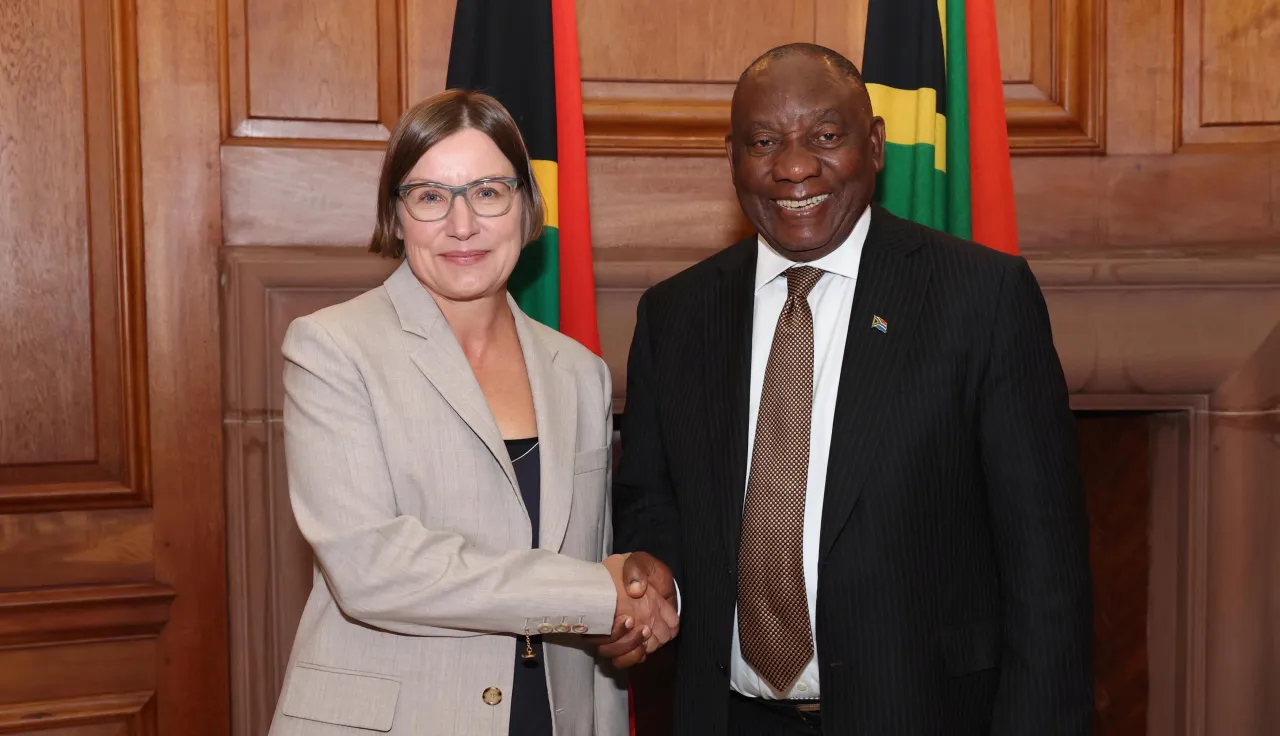
President Cyril Ramaphosa has officially appointed Leonard Lekgetho as the permanent head of the Special Investigating Unit (SIU), with the appointment effective today. This significant decision was made by President Ramaphosa in terms of section 3(1)(a) of the Special Investigating Units and Special Tribunals Act of 1996 (SIU Act), which governs the establishment and operations of the unit. Lekgetho takes over the leadership from Adv Andy Mothibi, who exited his position as SIU Head on February 1, 2026. Adv Mothibi transitioned from this key role to assume the demanding position of National Director of Public Prosecutions. Prior to this permanent role, Lekgetho had been serving as the acting head of the SIU, gaining valuable experience at the helm of the investigative body.
SIU's Mandate and Powers
The Special Investigating Unit (SIU) operates as an independent statutory body, established in accordance with the provisions of the SIU Act. Its core mandate involves investigating serious allegations of corruption, malpractice, and maladministration within the administration of State institutions, State assets, and public money. The unit is also tasked with probing any conduct that could seriously harm public interests, ensuring accountability and good governance. A key aspect of its work includes recovering financial losses incurred by State institutions through civil litigation. The SIU possesses the authority to initiate civil action to rectify any wrongdoing identified during its investigations, thereby playing a key role in safeguarding public funds and upholding ethical standards across government entities. This empowerment to take civil action is fundamental to its mission of correcting financial misconduct.
Lekgetho's Extensive Experience
Leonard Lekgetho brings extensive and specialized experience to his new role as permanent head, having served within the Special Investigating Unit (SIU) for a substantial period of 19 years, from 2007 to the present. Throughout his tenure at the SIU, Lekgetho held various diverse portfolios, demonstrating a full understanding of the unit's operational intricacies. His roles ranged from an investigator, directly involved in uncovering malfeasance, to the Chief Operations Officer, where he managed the broader functions of the unit. This progression has allowed him to accumulate a broad and deep understanding of the unit's functions and strategic objectives.
His career also includes valuable experience as an investigator within the former Directorate of Special Operations, further showing his background and expertise in combating serious crime and organized corruption. The new Head of the SIU possesses a strong academic foundation, holding degrees in law, education, and science, providing him with a multifaceted perspective. Additionally, Lekgetho has earned a diploma in forensic auditing and a post-graduate diploma in cyber law, providing him with specialized expertise particularly relevant to the SIU's complex investigative mandate in an increasingly digital world.
Presidential Endorsement
President Cyril Ramaphosa's decision to appoint Leonard Lekgetho as the permanent head of the Special Investigating Unit (SIU) follows a period where Lekgetho diligently served as acting head, demonstrating his capability and readiness for the role. The Presidency announced the appointment, which is effective immediately, showing the government's steadfast commitment to strengthening institutions tasked with combating corruption and maladministration across the public sector. Lekgetho's elevation to the permanent position comes after his predecessor, Adv Andy Mothibi, transitioned to the important role of National Director of Public Prosecutions. The appointment aligns precisely with the framework of the SIU Act of 1996, under which the unit operates as an independent statutory body, ensuring its autonomy and effectiveness. This endorsement by the President places Lekgetho at the helm of an agency critical to ensuring accountability within State institutions and facilitating the vital recovery of public funds.