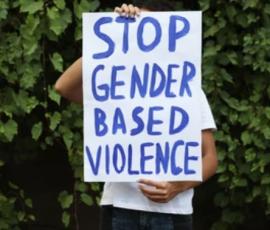
Social Development Minister Dina Pule called on South Africans to speak out against Gender-Based Violence and Femicide (GBVF) and urged them to report such incidents early, emphasizing the critical role of timely intervention to prevent serious outcomes. Minister Pule stated, "When you see the signs of Gender-Based Violence and Femicide, you must not wait until it is too late. You must immediately inform the police and social workers, who will come in to assist so that we avoid bigger challenges. If we don't break the silence, we end up in very serious situations." Pule urged people not to wait to report abuse before it escalates into tragedy. She also appealed to men, saying, "Men are the protectors of women, including wives, mothers and children. There is no man who was not born of a woman, and I don't understand how any man would want to hurt women." This direct address showed her call for men to play a leading role in preventing violence against women.
Call to Action
Social Development Minister Dina Pule urged individuals not to delay reporting abuse, emphasizing the necessity of intervention before incidents escalate into tragedies. Pule noted the severe consequences of silence in cases of gender-based violence and femicide. The Minister stressed that early reporting allows police and social workers to provide timely assistance, preventing more serious situations. Pule said early reporting of GBVF could save lives, making a profound difference in the outcomes for victims. The Minister stated that ending GBVF requires collective action from both men and women. Minister Pule also stated that the eradication of gender-based violence and femicide requires collective action from both men and women across South Africa. She showed that a unified approach is essential to address and overcome the challenges posed by such violence. This full effort, involving all members of society, is key for achieving meaningful progress in combating GBVF.
National Priority and Context
The prevalence of Gender-Based Violence and Femicide (GBVF) has prompted the South African government to treat the crisis as a national priority. President Cyril Ramaphosa previously declared GBVF a national disaster, showing its severe impact on the country. This declaration notes the government's recognition of the urgent need for full strategies and interventions to address the widespread issue. Gender-Based Violence and Femicide continue to be among South Africa's most pressing social challenges, affecting countless individuals and communities. Minister Pule's call for early reporting comes as the country prepares to mark Women's Month in August, a period dedicated to celebrating the achievements of women and reflecting on the challenges they still face. This annual commemoration honors the more than 20,000 women who marched to the Union Buildings on August 9, 1956. The 1956 march was a significant protest against the apartheid government's pass laws, a moment of collective action that continues to inspire current efforts for social justice and equality. Commemorating Women's Month provides a timely platform to renew focus on the fight against GBVF and to mobilize communities across the nation.
Minister's Plea
Social Development Minister Dina Pule stated that prompt reporting of Gender-Based Violence and Femicide (GBVF) could be instrumental in saving lives. Pule emphasized the critical role of timely intervention in preventing incidents from escalating. She showed that immediate notification of authorities, including police and social workers, allows for key assistance to be rendered, thereby averting more severe outcomes. This proactive approach is vital in a country where GBVF remains a widespread issue.
Minister Pule also addressed men directly, appealing to them to take a prominent role in efforts to prevent violence against women. She noted the expectation that men act as protectors of women, encompassing wives, mothers, and children. Pule stressed the importance of men actively contributing to the eradication of GBVF across South Africa, advocating for a unified approach to confront this challenge. Her message reinforces the idea that combating GBVF is not solely a women's issue but a societal responsibility requiring the commitment and involvement of all citizens, particularly men.