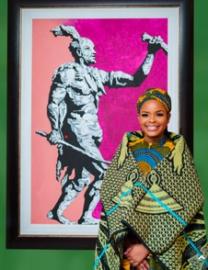
Her Majesty Queen Neo Mopeli, the recognized Queen of the Bakoena Nation in the Free State, has outlined her unwavering commitment to ensuring that rural community voices, particularly those of women and young people, are integrated into the key work of the Presidential Climate Commission (PCC). Queen Mopeli emphasized her profound role as a community leader dedicated to serving the marginalized and vulnerable, recognizing that these groups are often disproportionately affected by societal challenges and climate impacts. "I’m a simple girl; at the core of it all. I am a wife and mom. I am a daughter, a friend and a sister. I am a community leader and worker. My biggest purpose and goal in life is to always work for the marginalised and the vulnerable," Queen Mopeli stated, articulating a personal philosophy rooted in service and empathy. This dedication underpins her efforts to bring the perspectives of those often overlooked to national policy discussions.
Queen Mopeli aims to ensure that the unique perspectives and lived experiences of rural communities are not only heard but are also meaningfully incorporated into the PCC's recommendations and subsequent work. She noted the critical importance of bridging the gap between constitutional rights, which promise equality and dignity, and the often harsh everyday realities faced by ordinary South Africans, particularly those in underserved rural areas. "I come from the traditional constituency, which makes up a large part of the public that would ordinarily never find themselves in these kinds of rooms, platforms and tables," Queen Mopeli said, showing the vital representational role she plays. She added, "I would like to ensure that the voices of the rural communities, particularly the women and the young people, are heard and incorporated into the recommendations and ultimately, the work of the PCC." Her Majesty firmly believes that the commission's work must effectively translate the complex concepts of climate change and the Just Transition into tangible, understandable, and beneficial outcomes for people's normal lives. This approach is encapsulated in her conviction that "the transition doesn’t happen to people; it happens with people," advocating for an inclusive and participatory process. This philosophy ensures that climate action is not an external imposition but a collective endeavor that empowers communities.
A Royal Voice in Climate Policy
Queen Neo Mopeli serves as one of the 25 commissioners of the Presidential Climate Commission (PCC), an independent, multi-stakeholder body established by President Cyril Ramaphosa. The PCC's full mandate involves overseeing and facilitating a just and equitable transition for South Africa towards a low-emissions and climate-resilient economy. This includes advising on climate policy, monitoring progress, and ensuring that the transition addresses social and economic equity. President Cyril Ramaphosa announced the second cohort of PCC commissioners in January 2026, signaling the ongoing commitment to this critical national initiative. The PCC's composition, including traditional leaders like Queen Mopeli, reflects a deliberate effort to gather diverse perspectives and ensure broad representation in climate governance.
The commission's work is key as South Africa’s Just Energy Transition (JET) must consider broader societal issues beyond environmental concerns, including job creation, reducing inequality, and ensuring food security. The JET specifically targets the energy sector, aiming to shift from a reliance on coal, a major contributor to greenhouse gas emissions, towards cleaner energy sources such as renewables. This transition is framed against the backdrop of climate change, which significantly impacts critical sectors such as water security, overall food security, energy supply, and agriculture. These impacts are felt acutely in rural communities, making Queen Mopeli's advocacy particularly relevant. The interconnectedness of these sectors means that a successful JET must be holistic, addressing the economic, social, and environmental dimensions simultaneously to avoid unintended negative consequences. The PCC's role is to ensure this balance, safeguarding livelihoods while pursuing environmental sustainability.
Queen Mopeli's involvement in the PCC aligns with a period of national reflection, as South Africa commemorates the 70th anniversary of the Women’s March to the Union Buildings, which took place on 9 August 1956. This historical milestone shows the ongoing struggle for equality and justice, themes that resonate deeply with Queen Mopeli's work in climate and community development. Beyond her climate advocacy, Queen Mopeli is also associated with initiatives like the Legal Eagles Mentorship Programme. This program actively assists over 2500 young graduates from legal-related courses in securing employment opportunities, reflecting a broader commitment to community development and youth empowerment. This initiative notes her dedication to addressing systemic challenges such as unemployment, particularly among educated youth, and providing practical pathways to economic participation.
Championing Traditional Communities
The Majesties Forum focuses on national policies, related structures, and legislation. This engagement ensures that the perspectives and needs of traditional leaders are considered in national governance frameworks, thereby integrating traditional wisdom and local realities into policymaking. The forum provides a vital platform for traditional leadership to contribute to policy discussions that directly impact their communities, advocating for their interests within the broader national agenda. It seeks to bridge the gap between traditional governance systems and modern legislative processes, ensuring that both are harmonized for effective community development and representation. The forum's work often involves detailed analysis of proposed laws and policies, offering insights from the vantage point of traditional communities and striving to protect their unique cultural heritage and social structures. This proactive engagement helps to ensure that national development strategies are inclusive and responsive to the diverse needs of all South Africans.
Queen Neo Mopeli serves as Deputy Chair of the South African Queens Council, a position that amplifies her influence and reach. In this significant role, Her Majesty contributes to the leadership and strategic direction of the council, which represents the collective interests of queens across the nation. Her position as Deputy Chair places her in a key leadership capacity, allowing her to influence the council's agenda and its engagement with various stakeholders, including government bodies, civil society organizations, and international partners. The role involves working closely with other traditional leaders and government bodies to address issues pertinent to traditional communities, fostering collaboration and mutual understanding. Through this leadership, Queen Mopeli helps to guide initiatives aimed at empowering these communities and preserving their invaluable cultural heritage, ensuring that traditional institutions remain relevant and impactful in modern South Africa.
The South African Queens Council brings together queens from different provinces to tackle issues affecting traditional communities, creating a unified and powerful voice. This collaborative body serves as a key platform for traditional female leaders, enabling them to collectively address systemic challenges such as poverty, the lack of adequate infrastructure, and widespread social inequalities within their respective regions. By convening queens from diverse provincial backgrounds, the council facilitates the sharing of experiences and best practices, fostering a more coordinated and effective approach to community development. Its efforts often involve advocating for increased resources and better policies for traditional areas, ensuring that their specific needs are recognized at a national level and integrated into broader development plans. The council's work is instrumental in noting the unique contributions and challenges of traditional communities, advocating for their inclusion in national development agendas.
The Queens Council has a particular focus on women, youth, and other community programmes. This emphasis reflects a deep commitment to addressing the specific vulnerabilities and opportunities within traditional communities, particularly for these demographic groups who often face distinct challenges. The council develops and supports initiatives designed to empower women through education, economic opportunities, and leadership roles, recognizing their key role in community development and stability. Simultaneously, it creates programs that engage and uplift young people, providing them with skills, mentorship, and opportunities to become active participants in their communities' future. These community programmes often include vital health awareness campaigns, educational support, skill development workshops to enhance employability, and cultural preservation efforts, all aimed at improving the overall well-being and prospects of residents in traditional areas. This holistic approach ensures that interventions are tailored to the specific context and needs of these communities, fostering sustainable growth and resilience.
Queen Neo Mopeli has two sons, Prince Motebang and Prince Seeiso, aged four and two respectively. Their presence shows Her Majesty's profound personal connection to the future generation within the royal lineage and the broader community she serves. The young princes represent the continuation of the Bakoena Nation's traditional leadership, embodying the rich heritage and cultural legacy that Queen Mopeli works tirelessly to preserve and advance. Their ages highlight the long-term vision inherent in the Queen's efforts to ensure sustainable development and a just future for all members of her community, emphasizing the generational impact of her advocacy and leadership. This personal dimension adds a deeply human element to her public service, linking her work to the legacy she is building for her children and the nation.
Personal Journey and Recognition
Queen Neo Mopeli is an attorney by profession, bringing a rigorous analytical approach and a strong understanding of legal frameworks to her royal duties and community work. She became Queen six years ago, stepping into a role of immense responsibility and influence within the Bakoena Nation. Her work addresses a wide array of challenges faced by traditional communities, which critically include access to essential services, equitable land and resource distribution, cultural preservation in a rapidly changing world, the persistent issues of poverty and unemployment, and the widespread problem of gender-based violence. These challenges often intersect, creating complex barriers to development and well-being in traditional areas.
Queen Mopeli has stated that South Africa’s response to gender-based violence (GBV) should include a fundamental change in how the boy child is raised and socialised. This perspective notes the importance of addressing the root causes of GBV through early education and cultural shifts, advocating for a proactive approach that instills respect, equality, and non-violence from a young age. Her emphasis on this aspect demonstrates a deep understanding of the societal dynamics that perpetuate GBV and a commitment to long-term, transformative solutions. By focusing on the socialization of boys, she advocates for a preventative strategy that complements punitive measures, aiming to foster a generation that upholds gender equality and mutual respect.
The Department of Women, Youth, and Persons with Disabilities honoured Queen Mopeli at the prestigious 40 Under Forty Awards last year, in 2025. This significant recognition celebrated her impactful contributions and leadership. She won in the charity and philanthropy category at the awards ceremony, a testament to her unwavering dedication to improving the lives of others through charitable initiatives and community-focused endeavors. This award acknowledges her practical efforts to support vulnerable populations and her commitment to fostering a more equitable society. The recognition at such a prominent national event further solidifies her standing as a dynamic and influential leader, not only within traditional structures but also in the broader national landscape of social development and advocacy.