Cyril Ramaphosa assumed the presidency in South Africa in February 2018, inheriting a criminal justice system facing significant challenges. His election followed a period of political turmoil, with promises of reform and a renewed focus on combating corruption and strengthening state institutions. These pledges were central to his platform, aiming to restore public trust in government and its various agencies, particularly those tasked with upholding the rule of law. The state of the criminal justice system at the time of his inauguration was widely perceived as fragile, marred by allegations of state capture and institutional decay. Consequently, the expectation for substantial and visible change was high, placing a considerable burden on the new administration to deliver on its commitments. Ramaphosa's stated objective to repair the criminal justice system became a cornerstone of his broader agenda for national renewal and good governance.
The appointment of Fannie Masemola as national police commissioner marked a notable development within the South African Police Service (SAPS). His tenure, however, has quickly become emblematic of the ongoing struggles within these critical institutions. Masemola is the third national police commissioner to face suspension, noting a pattern of instability at the helm of the country's primary law enforcement agency. This succession of suspensions has drawn scrutiny, particularly in the context of the broader commitment to reforming the criminal justice sector under President Ramaphosa's administration. The repeated disruptions in leadership at such a key body raise serious questions about the effectiveness of oversight mechanisms, the robustness of appointment processes, and the political will to ensure consistent, stable leadership. The frequent turnover at the highest levels of the SAPS inevitably impacts morale, operational continuity, and the overall capacity of the police service to effectively combat crime and maintain public order.
Appointments Under Scrutiny
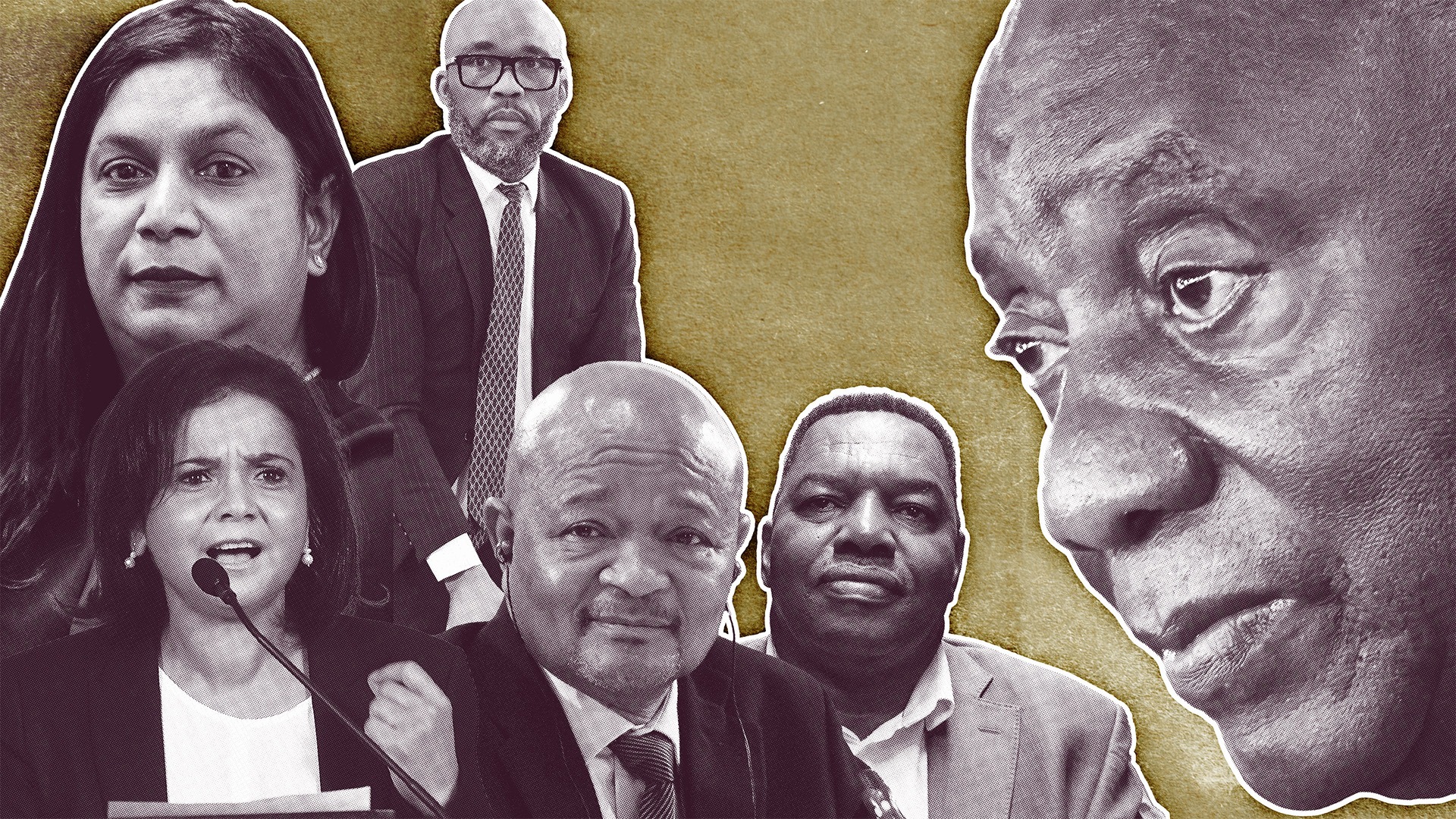
President Cyril Ramaphosa appointed all individuals currently facing scrutiny in their respective criminal justice system roles. This direct link between the President's appointments and the subsequent controversies places the spotlight firmly on the judgment exercised in selecting these key figures. The President's decisions in staffing these vital institutions were intended to signal a new era of accountability and competence, yet the unfolding events suggest a different reality.
Shamila Batohi, previously head of the National Prosecuting Authority (NPA), left her position under what was described as a "massive cloud" due to her actions concerning an inquiry into Joburg prosecutions boss Andrew Chauke. Her departure, fraught with controversy, cast a shadow over the NPA's operations and its perceived independence. The circumstances surrounding her exit raised concerns about internal processes within the prosecuting authority and the challenges faced by its leadership in navigating complex disciplinary matters. The "massive cloud" under which she departed showed the deep-seated issues that continued to plague the institution, even under new leadership appointed with a mandate for reform.
Fannie Masemola, whom President Ramaphosa appointed to lead the South African Police Service (SAPS), has been suspended. This suspension is not merely a procedural matter; it carries significant implications for the credibility and functionality of the entire police force. Masemola faces charges related to his alleged involvement in a tender process between SAPS and Vusimuzi “Cat” Matlala. These charges indicate potential irregularities at the highest echelons of law enforcement, further eroding public trust in an institution already grappling with historical challenges. The nature of the allegations, involving a tender process, points to potential corruption or mismanagement, which directly contradicts the administration's stated commitment to clean governance.
Following the 2024 elections, Senzo Mchunu was appointed police minister, but he is currently on "special leave." This status, coming so soon after his appointment, raises immediate questions about stability within the political leadership of the police portfolio. Mchunu's role in disbanding the Political Killings Task Team (PKTT) is also under scrutiny. The disbandment of a specialized unit dedicated to investigating politically sensitive crimes is a decision with broad consequences, potentially impacting ongoing investigations and the pursuit of justice for victims of political violence. The timing and rationale behind this action have drawn considerable criticism, further complicating the narrative of reform within the criminal justice sector.
Andrea Johnson, who heads the Investigative Directorate Against Corruption (IDAC), is similarly under examination. Her leadership of a body specifically designed to combat corruption makes any scrutiny of her actions particularly significant. Testimony heard by the Madlanga Commission linked Ms. Johnson to Major-General Feroz Khan. Such alleged associations, particularly with figures who may themselves be under investigation or subject to public questioning, can undermine the perceived impartiality and effectiveness of an anti-corruption unit. Further compounding the issues, Ms. Johnson reportedly went to the hospital on the day she was scheduled to testify before the Madlanga Commission. This absence, under such critical circumstances, inevitably fueled speculation and raised questions about her willingness or ability to fully cooperate with oversight bodies. The same Vusimuzi “Cat” Matlala, implicated in the tender with SAPS that led to Masemola's suspension, was in the process of withdrawing from a plea deal that had been overseen by Ms. Johnson's unit. This connection between Matlala and Ms. Johnson's unit adds another layer of complexity and potential conflict of interest to the ongoing investigations, drawing further attention to the integrity of IDAC's operations.
Godfrey Lebeya, the head of the Hawks, has also drawn criticism. The Hawks, as the Directorate for Priority Crime Investigation, are key in addressing serious organized crime, corruption, and other high-priority offenses. KwaZulu-Natal Police Commissioner Nhlanhla Mkhwanazi accused Mr. Lebeya of intervening to halt a raid on Katiso “KT” Molefe. An accusation of a high-ranking official intervening to stop a police operation against a specific individual is a grave matter, suggesting potential obstruction of justice or undue influence. These developments across key criminal justice institutions highlight questions regarding the appointments made during President Ramaphosa's tenure and their impact on the integrity and independence of these vital state organs. The cumulative effect of these controversies creates an impression of systemic vulnerability and a struggle to instill the promised levels of accountability and ethical conduct.
Patterns of Inaction and Controversy
The discrepancies and delays observed within the administration point to a troubling pattern that undermines the stated goals of criminal justice reform. Minister Senzo Mchunu stated that he consulted President Cyril Ramaphosa before proceeding with the disbandment of the Political Killings Task Team (PKTT). This assertion implies a degree of presidential knowledge and approval for a highly sensitive decision. President Ramaphosa, however, denies this account, indicating he was only informed of the decision after it had been made. This discrepancy notes differing narratives regarding accountability and decision-making processes within the executive. The conflicting statements from a minister and the President himself create an environment of uncertainty and raise questions about the coherence of government policy and the clarity of communication at the highest levels. Such public disagreements contribute to a perception of disarray and a lack of unified leadership on critical matters of public safety and justice.
Within the National Prosecuting Authority (NPA), President Ramaphosa reportedly took two years to act on a request from former NPA head Shamila Batohi to suspend Joburg prosecutions boss Andrew Chauke. This significant delay contributed to the "massive cloud" under which Batohi's tenure concluded. The protracted inaction on a critical internal disciplinary matter within the NPA is particularly concerning, given the institution's mandate to prosecute crime and uphold the rule of law. Such a delay can have profound implications for institutional morale, the perception of fairness, and the ability of the NPA to effectively manage its internal affairs. The perceived inaction on critical internal disciplinary matters has raised questions about the administration's commitment to swift justice reform. It suggests a hesitancy or an inability to make timely, decisive interventions, even when presented with clear recommendations from the head of a key state entity. The period of this delay also coincided with broader concerns about the NPA's capacity and operational effectiveness, exacerbating existing challenges. The inability to promptly address such a fundamental issue within the NPA's leadership structure inevitably impacts its overall efficiency and public confidence.
Further scrutiny of the NPA reveals systemic vacancies during a critical period. When Andy Mothibi was appointed in May 2026, all four deputy NPA head posts were vacant. These significant leadership gaps at a key institution responsible for prosecuting criminal cases suggest a lack of strategic oversight or an inability to fill key positions expeditiously. The absence of these deputy heads, who are responsible for overseeing various divisions and ensuring the smooth functioning of the NPA, could have profound implications for the institution's ability to manage its caseload and pursue complex investigations effectively. This chronic understaffing at such senior levels points to a fundamental weakness in human resource planning and execution within the criminal justice sector. The absence of these critical leadership figures could potentially hinder the overall reform agenda for the criminal justice system, as strategic direction and operational oversight would be severely compromised. The cumulative effect of these delays and vacancies could impede the President's stated goal of strengthening state institutions and combating corruption effectively, creating bottlenecks and undermining the very foundations of the justice system.
A Legacy of Failed Leadership
President Cyril Ramaphosa assumed office with a commitment to repair South Africa's criminal justice system, a promise central to his broader reform agenda. This commitment was seen as vital for restoring national integrity and economic stability. His tenure as President coincides with his leadership of the African National Congress (ANC) until December 2027. This dual role places him at the nexus of political and governmental decisions that shape the future of the country's institutions. This period has seen various appointments and controversies within key law enforcement and prosecutorial bodies, drawing scrutiny regarding their impact on the promised reforms. The repeated challenges faced by his appointees and the controversies surrounding their actions or inactions raise serious questions about the efficacy of the President's strategy for institutional renewal.
The expiration of Andy Mothibi's term as head of the National Prosecuting Authority (NPA) is set to occur just before President Ramaphosa's term as President concludes. This timing places the future leadership of the NPA, a critical institution for combating crime and corruption, in close proximity to the end of the current presidential administration. The confluence of these timelines could significantly influence the trajectory of criminal justice reforms in the country, potentially leading to further uncertainty or a rushed transition. The upcoming transition in NPA leadership will be a a significant development, particularly given the historical challenges and recent controversies surrounding the institution. Observers will be watching for how this transition aligns with the President's initial pledges for a stronger and more effective justice system, and whether it can finally usher in an era of stability and renewed public confidence. The ability to ensure a smooth and credible succession at the NPA, free from the controversies that have plagued other appointments, will be a key test of the administration's commitment to its foundational promises of reform and accountability within the criminal justice system.