South Africa’s public transport infrastructure, once strong enough to support extensive rail travel, has deteriorated significantly, hindering national recovery efforts. There was a time when passengers could board a train in Johannesburg and travel a long, extensive route through Krugersdorp, Magaliesburg, Zeerust, pass through Mahikeng, Madibogo, Mareetsane, and Taung, and continue towards Kimberley before making the return journey. This once-vibrant network allowed for significant inter-provincial movement and economic activity. Dr. Olebogeng Baikgaki, a PRASA board member, has stated that the infrastructure is currently "in tatters," a stark contrast to its former capabilities. This decline impacts critical transportation links across the country, affecting both economic development and the daily lives of citizens. The extensive nature of the previous rail system shows the potential that exists for a revitalized public transport sector.
The Current State of Decay
Much of South Africa's public transport infrastructure is currently struggling, deteriorating, or missing entirely. This widespread issue affects various modes of transport, from rail to road networks, creating significant challenges for commuters nationwide. The current situation has led to commuters increasingly relying on private vehicles, including seven-seaters and 4+1 sedans, alongside buses and minibus taxis for their daily travel. This shift away from organized public transport options contributes to increased traffic congestion, higher carbon emissions, and greater individual transportation costs. Experts suggest that utilizing one 65-seater vehicle for public transport is considerably more efficient than deploying multiple four-seater vehicles. This notes the economic and environmental benefits of a strong, mass public transit system over fragmented private solutions. The current reliance on smaller, less efficient vehicles shows the urgent need for systemic improvements in public transport offerings.
The North West Department of Transport and PRASA conducted two test runs for the reintroduction of passenger rail services following a feasibility study. Both test runs saw trains at full capacity, indicating a strong and undeniable demand for renewed rail operations among the populace. These successful trials demonstrate that despite the infrastructure challenges, there is a clear public appetite for accessible and reliable train services. Efficient transport networks are recognized as a key factor in making regions more attractive to investors, tourists, and businesses. A well-functioning public transport system facilitates the movement of labor, goods, and visitors, which are all key for economic growth and regional development. The absence of such networks acts as a significant deterrent to potential investment and tourism, further isolating communities and hindering their economic potential. The current state of decay directly obstructs these vital pathways to prosperity.
Strategies for Rebuilding
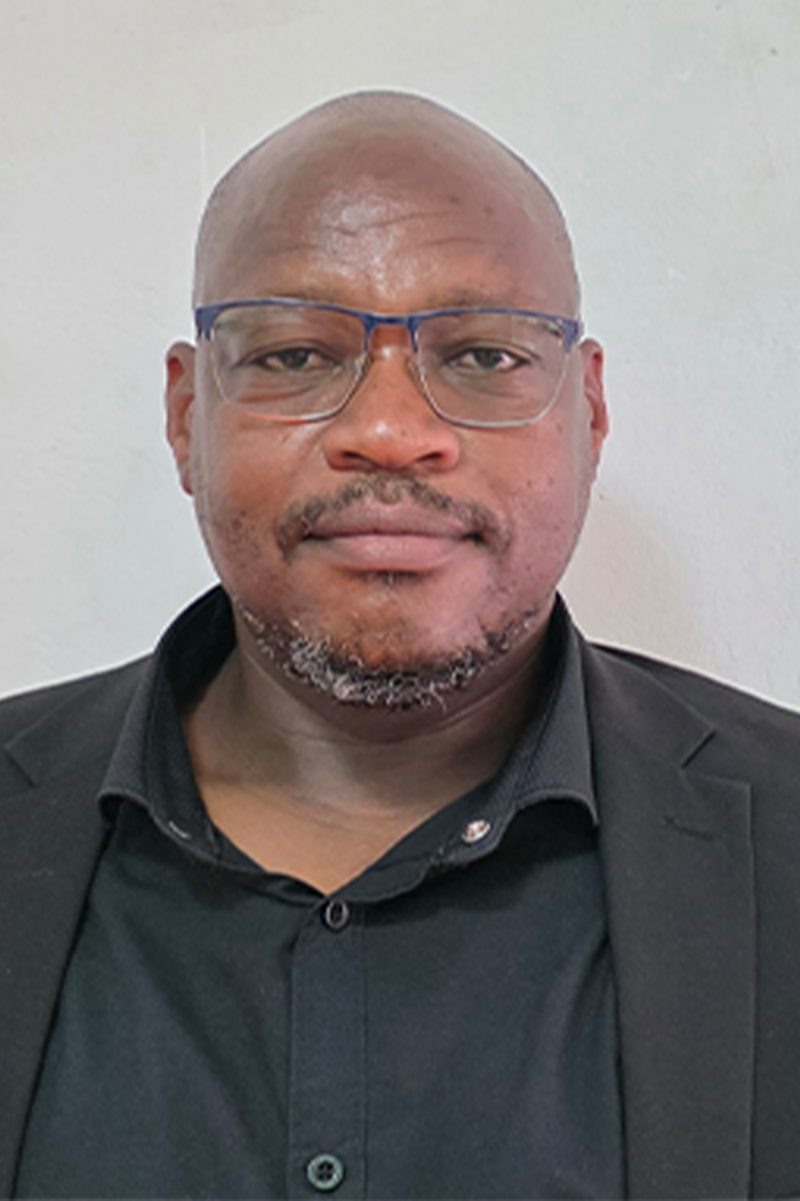
Rebuilding South Africa's public transport system is achievable if the country prioritizes fundamental issues, according to Dr. Olebogeng Baikgaki, a transport economics expert at North-West University (NWU). Dr. Baikgaki emphasized the critical need to address foundational elements, stating unequivocally, "The infrastructure is in tatters. We need to get the infrastructure correct first. That is where we have to start." This initial focus on infrastructure rehabilitation is critical, as functional and well-maintained physical assets are the bedrock of any effective transport system. He further noted the necessity of revamping existing infrastructure and introducing alternative transportation methods for the public. "We need to revamp the current infrastructure that we have. We have to come up with alternative modes of transport for our people to enjoy," Dr. Baikgaki said, noting a dual approach of repair and innovation. This includes not only restoring rail lines and roads but also exploring new, sustainable, and accessible transit options to meet diverse community needs.
For public transport to effectively serve its purpose, it must be safe, secure, and financially accessible to users. Dr. Baikgaki showed this point, stating, "We must ensure that public transport is safe, we provide better security, and also make it a point that public transport is affordable to users." Safety and security measures are integral to the success and long-term viability of public transport services, as commuters will not utilize systems they perceive as dangerous or unreliable. This includes addressing issues such as crime on public transport, ensuring well-lit stations, and implementing effective surveillance. Affordability is equally key, ensuring that public transport remains a viable option for all segments of society, particularly those with limited income, thereby promoting social equity and access to economic opportunities. Safety and security must be an intrinsic part of the solution for public transport to thrive and regain public trust.
Dr. Baikgaki also suggested that public transport should receive preferential treatment over private vehicles. This could be achieved through the implementation of dedicated lanes and enhanced urban planning. "We need delegated lanes for public transport throughout the country so that we ensure that public transport gets a preference compared to private vehicles," he explained. This strategic prioritization would allow public transport vehicles, such as buses and taxis, to move more efficiently, reducing travel times and making public transport a more attractive and competitive option compared to private car usage. Such measures are vital for shifting commuting patterns away from private vehicles and towards more sustainable and communal transport solutions. An important lesson for infrastructure maintenance, according to Dr. Baikgaki, is the prompt identification and repair of road damage, such as potholes. "If there's a pothole, they identify it and fix it," he noted, referencing practices observed elsewhere, suggesting a proactive and continuous maintenance approach is essential to prevent further deterioration and ensure the longevity of infrastructure assets.
Funding and Implementation Hurdles
Funding remains one of the greatest obstacles to rebuilding public transport in South Africa. The sheer scale of the required investment, coupled with competing national priorities, presents a formidable challenge. Dr. Olebogeng Baikgaki suggests greater use of public-private partnerships (PPPs) for financing, maintenance, and operations, with government retaining ownership of the infrastructure. This model allows for the injection of private capital and expertise while ensuring that critical national assets remain under public control. The Bakwena toll road concession is cited as an example of successful collaboration between government and private investors, demonstrating a potential model for future projects. This partnership has proven effective in delivering and maintaining key road infrastructure, offering a tangible blueprint for other large-scale transport initiatives.
South Africa can draw valuable lessons from countries such as China, Singapore, various parts of Europe, and the Czech Republic regarding the transformation of transport systems. These nations have implemented diverse and innovative strategies, from high-speed rail networks to integrated urban transit systems, offering a wealth of knowledge in planning, funding, and operational efficiency. Studying these international examples can provide South Africa with proven methodologies and best practices to adapt to its unique context. However, a significant challenge facing the country may be political rather than technical. This political hurdle stems from a lack of continuity in long-term projects, which can impede sustained progress in infrastructure development. Frequent changes in leadership, policy shifts, and bureaucratic inefficiencies often lead to the abandonment or delay of vital projects, undermining consistent investment and progress. Addressing these funding and implementation issues, particularly the political will to ensure project continuity, is seen as key for the full and sustainable revitalization of the public transport sector in South Africa.