From the archive
Soccer's Stand Against Apartheid in Durban
Durban's non-racial soccer movement used sport to resist apartheid segregation in the 1970s and 1980s, with venues like Curries Fountain Stadium serving…
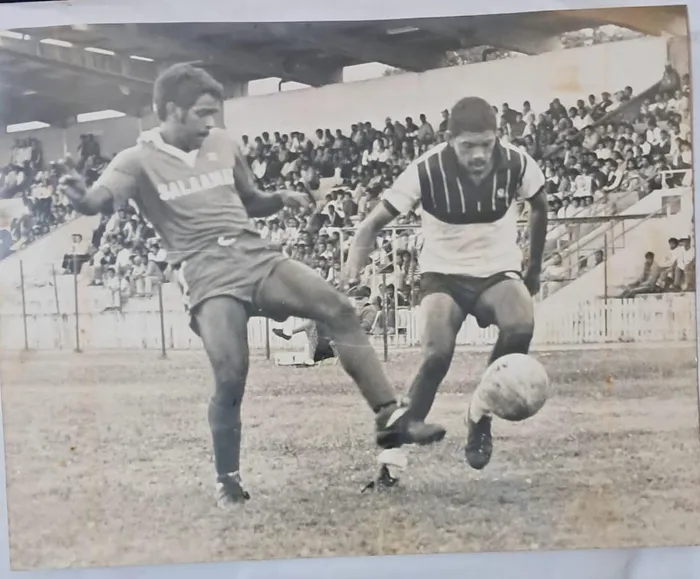
The book "The Unsung Legends of Wentworth Football" by Lorraine Richards recently launched at the Durban International Book Fair in uMhlanga, documenting soccer's key role as an anti-apartheid tool in Durban during the 1970s and 1980s. This period saw anti-apartheid activists strategically utilize soccer to challenge and circumvent the deeply entrenched segregation laws prevalent during that era. Durban, in particular, emerged as a significant battleground for "non-racial" sport, where the beautiful game became a powerful instrument of defiance. Various venues across the city served as key sites of resistance, offering spaces where the strictures of apartheid could be momentarily, yet meaningfully, subverted. Locations such as Curries Fountain, along with the numerous fields in Merebank and Wentworth, transformed into vital liberated zones. Within these spaces, integrated sporting events could take place, fostering a sense of unity and shared purpose that directly contradicted apartheid regulations.
Challenging the System
During the apartheid era, local, independent soccer associations consciously refused to affiliate with government-sanctioned, racially segregated sporting bodies. This deliberate act of non-compliance was a cornerstone of the resistance movement within sports. In Durban, the Durban Central Football Association (DCFA) emerged as a particularly significant hub of this resistance. The DCFA, guided by the unwavering principles of the South African Council on Sport (SACOS), actively and intentionally invited players of all races – including African, Indian, and coloured individuals – to participate in the same league. These integrated leagues represented a direct and profound challenge to the state's authority, as they explicitly ignored the Group Areas Act, a cornerstone of apartheid legislation that rigidly enforced racial segregation across the country.
Clubs and players involved in these non-racial soccer initiatives had to employ incredibly creative and often clandestine strategies to sustain their activities. This necessity arose largely due to the frequent and often aggressive raids conducted by police and Group Areas inspectors, who were tasked with enforcing the segregation laws. These officials would often disrupt matches and harass participants, attempting to dismantle any integrated activities. Despite these immense pressures and the constant threat of state intervention, the state encountered significant difficulties in legally banning a soccer match outright. This legal loophole provided a key avenue for continued resistance, allowing the non-racial leagues to persist. The DCFA's unwavering efforts and the resilience of its players and supporters significantly contributed to soccer's enduring role as a powerful tool against apartheid. Another launch event for the book "The Unsung Legends of Wentworth Football" will be held at The Blue Roof Wellness Centre in Wentworth on August 29, continuing to shed light on this vital, often overlooked, narrative of history.
Liberated Zones and Hidden Games
The impact of these non-racial games extended far beyond the field. Thousands of fans frequently filled stadium stands to watch integrated teams compete, fostering a vibrant and powerful multiracial counter-culture in Durban. These gatherings were not merely sporting events; they were acts of communal defiance. To circumvent apartheid laws and participate in integrated play, players sometimes resorted to falsifying registration cards. This often involved an African player being registered under a generic or altered name to avoid detection by authorities. A notable example of this ingenuity was Wellington Meth, who adopted the alias Wellington Mathe specifically to play for Lamontville Golden Arrows, allowing him to participate in a non-racial context. Many players secretly participated in two different clubs: one in a segregated league, which often provided financial stability or official recognition, and another in an independent, non-racial league, driven by their commitment to the anti-apartheid movement. This dual participation allowed them to maintain their sporting careers while simultaneously contributing to the broader anti-apartheid struggle, demonstrating remarkable dedication and personal risk.
Activists skillfully utilized various aspects of these sporting events to further their cause, transforming them into platforms for political mobilization. Halftime intervals, the electric atmosphere of pre-match build-ups, and the large gatherings of post-game crowds became invaluable opportunities to distribute pamphlets containing anti-apartheid messages, deliver impassioned speeches, and sing liberation songs. These gatherings served as key platforms for political messaging, reaching a wide and diverse audience that might otherwise be inaccessible. One notable instance of this strategic use of sports gatherings was the 1974 'Frelimo Rally,' which was organized under the guise of sporting events at Curries Fountain. This event, like many others, demonstrated how soccer venues could be ingeniously transformed into powerful spaces for political mobilization against the apartheid regime, blending entertainment with profound political purpose.
Curries Fountain: A Political Incubator
Curries Fountain Stadium served as an exceptionally significant political incubator during the apartheid era in Durban. The venue provided a critical and often indispensable space for various anti-apartheid organizations to conduct political organizing under the guise of sporting events. The regular occurrence of soccer matches at Curries Fountain offered a convenient and relatively safe cover for activists to gather, strategize, and mobilize against the segregated system, away from the immediate scrutiny that overt political meetings would attract.
Organisations including the Natal Indian Congress (NIC), various trade unions, and the burgeoning Black Consciousness Movement all astutely utilized these sporting events. They leveraged the large crowds and the inherently public nature of soccer games to hold discreet meetings, distribute vital information, and foster a collective spirit of resistance among the populace. The stadium, therefore, became a central hub where political discourse and activism could occur, often blending smoothly with the excitement and camaraderie of the sport itself. This strategic use of Curries Fountain enabled these diverse groups to bypass some of the most stringent restrictions imposed by the apartheid government, effectively turning a sports venue into a vital center for political activity and profound community engagement. The stadium’s role extended beyond mere entertainment; it became a symbol of defiance and a crucible for change, demonstrating the profound intersection of sport and social justice in the fight against apartheid.