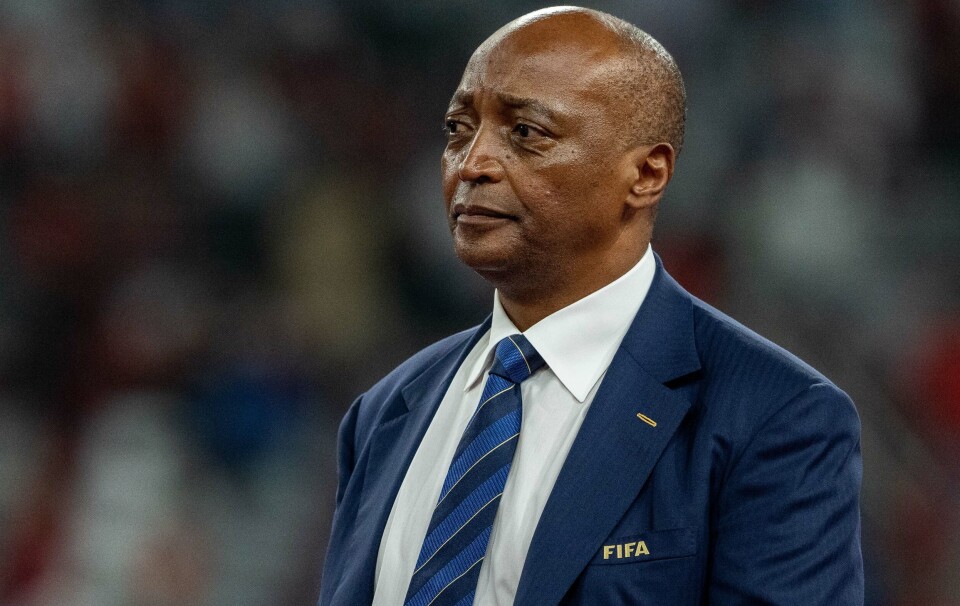
South Africa has publicly declared its support for Confederation of African Football (CAF) president Patrice Motsepe as Africa's preferred candidate to eventually lead FIFA. The announcement positions Mr. Motsepe, a prominent South African mining billionaire, owner of Mamelodi Sundowns Football Club, and founder of African Rainbow Minerals, as a potential future leader of global football's governing body. The endorsement from South Africa signals a strategic move to consolidate African support behind a single candidate for future FIFA elections. Mr. Motsepe, who has led CAF since 2021, currently serves as the head of the continental football body, a role that has provided him with significant influence within international football circles. This backing from a key African nation could be instrumental in shaping future leadership dynamics within FIFA, aligning regional aspirations with a unified continental candidate. The public declaration from South Africa shows a concerted effort to elevate an African leader to the pinnacle of world football, reflecting a broader ambition for increased continental representation and influence.
Motsepe's FIFA Ambitions
Patrice Motsepe, a South African billionaire who owns the Mamelodi Sundowns football club and founded African Rainbow Minerals, has led the Confederation of African Football (CAF) since 2021. His tenure at CAF, which began in March 2021, positions him prominently within the international football landscape. Under his leadership, CAF has sought to enhance the development of football across the continent and strengthen its voice on the global stage. Despite South Africa's endorsement and the clear ambition for an African leader to head FIFA, the current leadership structure suggests a longer timeline for any potential change at the very top. Gianni Infantino, the incumbent FIFA president, is widely expected to remain in his role until 2031, according to projections within the football community. This expectation means that any succession planning for Mr. Motsepe would likely target a period beyond Mr. Infantino's anticipated term. The strategic backing of Mr. Motsepe now, however, aims to build momentum and establish him as the leading African contender for future elections, ensuring a strong continental presence in discussions about FIFA's future leadership.
Separately, in Ghana, a court has sentenced TikToker Camilla Alhassan to one year in prison. The charges against Ms. Alhassan included publishing false news and offensive conduct, leading to her conviction and incarceration. The court's decision notes the legal consequences faced by individuals for content shared on social media platforms in the West African nation.
US Aid to Nigeria Concerns
The U.S. House of Representatives recently approved an amendment that carries the potential to halt nearly $1 billion in annual aid to Nigeria. This significant legislative measure was attached to the 2027 State Department appropriations bill, indicating a legislative move to reassess financial assistance provided to the West African nation. Nigeria has historically received close to $1 billion a year in U.S. Assistance, making it a significant recipient of American foreign aid across various sectors, including health, security, and economic development. The approval of this amendment by the House signals a potential shift in the financial relationship between the United States and Nigeria, prompting concerns about the implications for ongoing programs and bilateral cooperation. The proposed cut, if it progresses through the legislative process and becomes law, would represent a substantial reduction in U.S. Financial support to the most populous nation in Africa. This development could necessitate a re-evaluation of aid strategies and priorities by both countries.
African Health and Security Issues
Seven American aid workers are currently in quarantine at a U.S.-backed bio-isolation facility in Kenya after responding to the Ebola outbreak in the Democratic Republic of Congo. These workers, who were on the front lines of the health crisis, are undergoing monitoring as a precautionary measure to prevent any potential spread of the virus. The quarantine facility in Kenya has drawn legal and political controversy, with discussions surrounding its operational protocols and the implications for public health and international aid efforts. The International Organization for Migration (IOM) has warned that the transport of Ebola victims’ bodies within DR Congo is contributing significantly to the virus's spread to new areas. This practice, often influenced by cultural and traditional burial rituals, poses a severe challenge to containment efforts. The Ebola outbreak has grown by approximately 70% over the past two weeks, with more than 40 new cases reported daily, indicating a concerning escalation of the public health emergency in the region. The rapid increase in cases shows the urgent need for enhanced public health interventions and community engagement to curb the transmission rate.
In Uganda, authorities have suspended all school trips following a tragic bus crash that killed at least 20 elementary school children and one adult. The accident, which occurred while the children were on an excursion, has prompted a nationwide review of safety protocols for school transportation. Algerian authorities stated that an electrical spark from an air conditioner caused a fire near Algiers that resulted in 11 deaths at an orphanage. The incident, which led to a devastating loss of life, has raised questions about safety standards in public institutions. The United Nations Security Council has imposed sanctions on six individuals and two entities linked to armed groups operating in eastern DR Congo. These sanctions aim to curb the financing and activities of groups contributing to instability and conflict in the volatile region. Guinea-Bissau has frozen political relations with Cabo Verde, signaling a diplomatic rift between the two Lusophone West African nations.