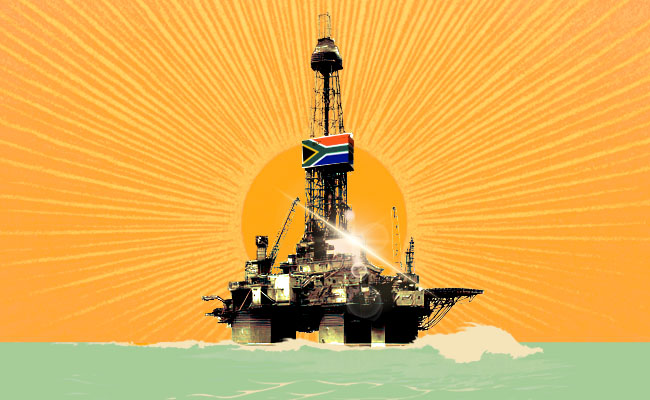
South Africa is preparing to increase its strategic oil reserves, marking the first such initiative since the apartheid-era government bolstered its crude stockpiles. The country plans to build up its emergency oil stocks, a significant move not undertaken since the 1970s. This latest effort aims to enhance energy security for the nation, reflecting a renewed focus on safeguarding its fuel supply in an increasingly volatile global landscape. The decision shows a strategic shift to ensure national resilience against potential disruptions in the international energy market. This planned expansion represents a critical step in modernizing the country's energy infrastructure and preparedness, decades after its last major intervention in this sector.
Historic Saldanha Bay Hub
The Saldanha Bay storage hub, located on the Atlantic coast, was constructed in the 1970s. This facility has a substantial capacity of 45 million barrels, making it a key component of South Africa's energy infrastructure. The development of the hub in the 1970s provided a critical strategic asset for South Africa during a period when the apartheid-era government sought to bolster its crude stockpiles. Its coastal location facilitates access for international oil tankers, enabling the efficient storage and distribution of crude oil across the country. The substantial capacity of Saldanha Bay positions it as a key component of South Africa's energy infrastructure, designed to secure the nation's fuel supply against potential disruptions. This infrastructure remains vital for managing the country's strategic energy reserves and ensuring a stable supply of petroleum products. The hub's strategic importance is amplified by its ability to receive large shipments, which are then distributed inland, underpinning the nation's economic activities.
Apartheid-Era Context
The United Nations imposed sanctions on the state in the 1970s due to its policy of institutionalized racial segregation. This international pressure led the apartheid-era government to significantly bolster its crude stockpiles to ensure energy independence. The strategic oil reserve increase at that time was a direct response to the isolation South Africa faced under the international sanctions regime, which threatened to cut off vital supplies. The government invested heavily in substantial infrastructure, such as the Saldanha Bay hub, to secure its fuel supply against potential disruptions caused by the global boycott. This historical context notes the critical role strategic reserves played in maintaining national stability during periods of profound external pressure and uncertainty. The proactive measures taken then were essential for mitigating the impact of international isolation on the country's economy and daily life.
Continental Supply Shock Mitigation
Measures are being implemented across the African continent to alleviate potential supply shocks. These efforts reflect a broader strategic focus on enhancing energy security and resilience in various nations, including South Africa. The initiatives aim to safeguard against disruptions in the global energy market, which can impact national economies and stability by affecting the availability and pricing of essential fuels. Countries are exploring diverse approaches, including the development of strategic reserves, diversification of energy sources, and strengthening of energy infrastructure to create more strong supply chains. Such measures are key for maintaining consistent supply chains and protecting against volatility, ensuring that nations can continue to meet their energy demands even in challenging circumstances. The continent-wide focus on mitigating supply shocks shows a proactive stance toward ensuring energy stability and supporting economic growth in the face of global uncertainties. This collective emphasis notes a recognition of the interconnectedness of energy security across the region, where disruptions in one area can have ripple effects throughout the continent. The move by South Africa to increase its reserves aligns with this broader continental trend towards greater energy self-sufficiency and protection against external market forces.