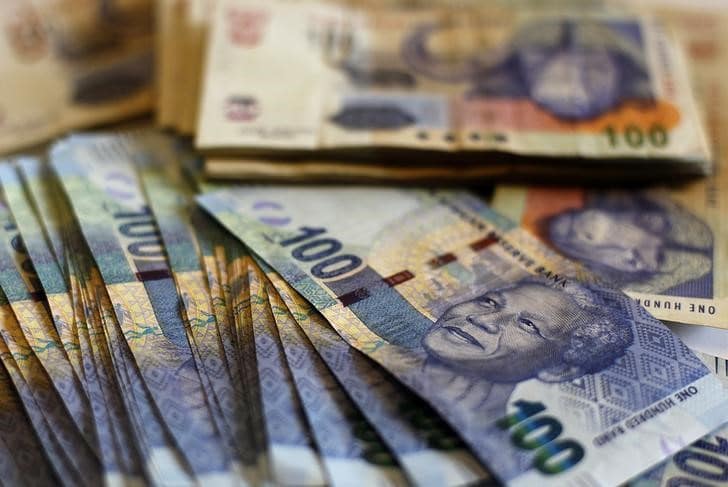
South Africa's rand, stocks, and government bonds firmed on Wednesday following the release of inflation data that signaled increasing price pressures. The April inflation figure, reported by Statistics South Africa, marked the highest since August 2024, a significant development in the nation's economic landscape. This acceleration in inflation has led investors to anticipate potential interest rate hikes by the South African Reserve Bank, thereby boosting the appeal of South African assets across various financial markets. The market's reaction shows a growing expectation for monetary policy tightening to curb rising prices.
Inflationary Pressures Mount
Headline inflation in South Africa increased to 4.0% year on year in April, according to detailed data released by Statistics South Africa. This notable rise in the consumer price index was primarily driven by sharp fuel price increases, which economists have linked to the ongoing U.S.-Israeli conflict against Iran. The heightened geopolitical tensions in the Middle East have significantly impacted global oil markets, contributing to higher domestic energy costs within South Africa. These external factors are placing considerable strain on household budgets and business operating expenses. Looking ahead, economists at Nedbank anticipate that inflation will continue to climb in the coming months, suggesting that the current inflationary trend is not yet at its peak. Their assessment indicates potential further upward pressures on consumer prices, which could necessitate more decisive action from monetary authorities.
Rate Hike Expectations Grow
April's inflation figure, which reached 4.0%, marked a noticeable increase from the 3.1% recorded in March, according to Statistics South Africa. This consecutive rise in consumer prices has significantly bolstered expectations for imminent monetary policy action from the central bank. Nedbank economists stated that the South African Reserve Bank would likely adopt a proactive stance to counter emerging inflationary pressures. They anticipate this will lead to a 25-basis-point rate hike, a move designed to anchor inflation expectations and stabilize the economy. Amid these growing expectations for tighter monetary policy, South African financial markets reacted positively. The Top-40 index on the Johannesburg Stock Exchange rose by approximately 0.6%, reflecting investor confidence in the central bank's commitment to price stability. Investors are actively positioning themselves for potential higher returns on South African assets if interest rates increase, making these assets more attractive to both domestic and international capital.
Broader Economic Context
South Africa's retail sales experienced growth in the first quarter of the year, providing additional context to the broader economic picture. Retail sales rose by 2.6% year-on-year in March, indicating a continued upward trend in consumer spending and suggesting a degree of economic resilience. This follows a 1.6% increase in retail sales observed in February, as reported by Statistics South Africa, marking two consecutive months of positive growth. The sustained performance in the retail sector suggests that consumer demand remains strong despite ongoing inflationary pressures and rising interest rate expectations. These figures contribute significantly to the overall economic assessment as the South African Reserve Bank considers future monetary policy decisions, balancing the need to control inflation with supporting economic growth.
Analyst Outlook and Forecasts
In response to the economic data, the rand strengthened against the dollar, trading at 16.5950, which marked an increase of approximately 0.7% from its prior closing level. This appreciation reflects renewed investor confidence in the local currency. South Africa’s benchmark 2035 government bond also showed strength in Wednesday's trading, a sign of improving investor sentiment towards government debt. The bond yield decreased by 6 basis points, settling at 8.87%. This positive movement in both the currency and government bonds reflects investor responses to the recent inflation data and growing expectations for a rate hike by the South African Reserve Bank. The market reaction indicates that investors are adjusting positions in anticipation of monetary policy tightening aimed at curbing inflationary pressures and ensuring long-term economic stability.