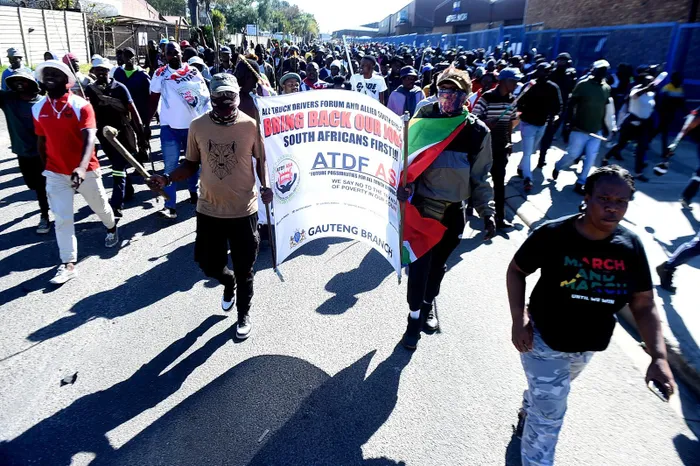
Hundreds of protesters recently marched in Kwa-Thema, blaming undocumented immigrants for unemployment and pressure on local resources. This demonstration reflects growing anti-immigrant sentiment in South Africa ahead of local elections. Foreign nationals in various areas have reported incidents of intimidation and beatings by mobs demanding their departure by a June 30 deadline. These incidents show a volatile environment where anti-immigrant rhetoric is increasingly prevalent. The movement's proponents argue that the presence of foreign nationals exacerbates existing socio-economic challenges, particularly unemployment.
Rising Tensions and Fear
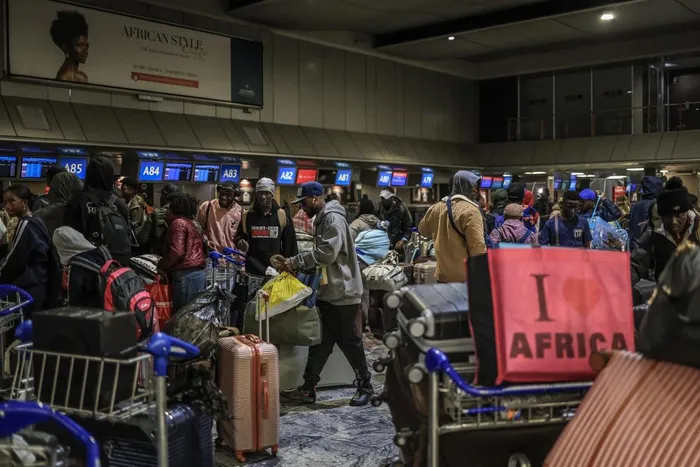
The killings of two Mozambicans took place more than a week ago, contributing to a climate of fear among foreign nationals. These tragic events have further intensified concerns within the immigrant communities and among international observers. In response to the escalating tensions, Ghana, Mozambique, and Malawi are among the countries that have repatriated hundreds of their nationals this month. These repatriations highlight the perceived threat to foreign residents amid the anti-immigrant movement, as governments take steps to ensure the safety of their citizens abroad. The movement has seen protesters blame undocumented immigrants for unemployment and strain on local resources, leading to demonstrations in areas like Kwa-Thema. Such demonstrations often involve large groups of individuals expressing their grievances and demanding action against foreign residents. Reports of intimidation and physical assaults against foreign nationals have also surfaced, with some mobs demanding their departure by a specified deadline. These actions range from verbal threats to physical violence, creating an atmosphere of insecurity for many non-citizens. The June 30 deadline, arbitrarily imposed by some groups, has added to the urgency and fear among those targeted.
Socio-Economic Roots and Political Undercurrents
South Africa faces an official unemployment rate exceeding 30 percent, a factor contributing significantly to the socio-economic backdrop of the anti-immigrant sentiment. This high unemployment figure fuels public frustration and a search for scapegoats, often directed at foreign nationals perceived as competing for scarce jobs and resources. This economic challenge coincides with a period of political uncertainty for the ruling African National Congress (ANC). President Cyril Ramaphosa's ANC party is anticipated to experience a substantial decline in support during the forthcoming local elections, following its loss of a national majority in the 2024 general elections. This anticipated electoral setback adds pressure on the ANC to address public discontent, including issues related to immigration. The political landscape is becoming increasingly fragmented, with various parties vying for influence and often adopting strong stances on immigration to appeal to a frustrated electorate. One such party is ActionSA, which secured just over one percent of the votes in 2024. Despite its relatively small share of the national vote, the party's stance on immigration has resonated with some segments of the electorate, further intertwining socio-economic grievances with political narratives ahead of the local polls. Parties like ActionSA often advocate for stricter immigration controls and enforcement, aligning with the sentiments expressed by anti-immigrant protesters. This political maneuvering suggests that immigration will remain a key, and potentially divisive, issue in the upcoming electoral contests.
Voices and Warnings
South Africa's local elections are scheduled for November, a period where political parties are increasingly vocal on issues such as immigration. The proximity of the elections often amplifies such debates, as parties seek to consolidate their support bases. Amidst this political climate, activist groups have gained prominence by focusing on the presence of foreign nationals. These groups often organize protests and campaigns, drawing public attention to their cause. One such group, March and March, gained public attention last year after it blocked foreign nationals from accessing hospitals. This action, widely reported, noted the extreme measures some groups are willing to take to enforce their anti-immigrant agenda. The group's actions show the growing anti-immigrant sentiment that has become a significant factor in the lead-up to the upcoming polls. The targeting of essential services like healthcare for foreign nationals demonstrates the severity of the movement's objectives. The increasing visibility and influence of such groups indicate a deepening societal divide on immigration issues, posing significant challenges for social cohesion and governance in South Africa. As the local elections approach, the rhetoric surrounding immigration is expected to intensify, further shaping the political discourse and potentially impacting election outcomes.