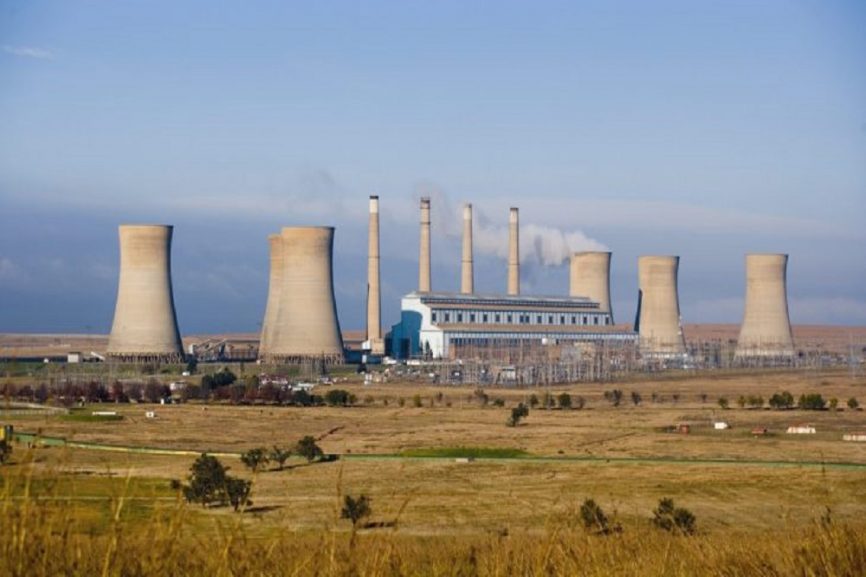
South Africa's energy future is projected to maintain a significant reliance on coal, despite ongoing discussions about energy transition. The country's power infrastructure and economic landscape suggest that coal will continue to play a central role in meeting energy demands for the foreseeable future. This enduring dependence shows the complex challenges South Africa faces in balancing energy security with environmental sustainability goals, a critical aspect as the nation navigates its path towards a more diversified energy mix. Indeed, projections indicate that South Africa’s energy future will still rely heavily on coal for years to come, even as renewable energy sources are increasingly integrated into the national grid.
Minister's Visit and Emission Focus
Electricity and Energy Minister Dr Kgosientsho Ramokgopa paid a site visit to the Eskom Research, Testing and Development Centre in Germiston. The visit aimed to identify technologies capable of reducing harmful emissions from existing coal operations. The specific purpose of the visit was to scout technologies that can slash harmful emissions from current coal operations, directly addressing environmental concerns associated with coal-fired power generation. Eskom is mandated to comply with minimum emission standards, which are regulated by the Department of Fishers, Forestry and Environment. The department has issued specific regulations outlining these minimum emission standards that facilities like those operated by Eskom must meet. These regulations establish the permissible levels of pollutants that can be released into the atmosphere from power plants, ensuring a framework for environmental protection. Dr Ramokgopa's engagement with the Germiston facility shows the government's focus on integrating emission reduction strategies within the current energy infrastructure. The minister's exploration of new technologies aligns with efforts to balance South Africa's energy demands with environmental considerations, noting a proactive approach to mitigating the ecological footprint of coal.
Eskom's Dual Strategy
Eskom aims to integrate traditional coal-fired power generation with renewable energy sources to safeguard industrial expansion and develop sustainable energy options. This dual strategy seeks to balance the nation's immediate energy requirements, largely met by coal, with long-term environmental objectives and the global shift towards cleaner energy. Eskom’s overarching goal is to blend traditional coal with renewable potential to protect industrial growth and create future-ready energy solutions, ensuring both economic stability and environmental progress. The utility's approach involves maintaining the operational capacity of its existing coal fleet while simultaneously investing in and incorporating renewable technologies. This framework is designed to ensure energy security for South Africa's industrial sector, which is a significant consumer of electricity, while also positioning the country for a transition to more future-ready energy solutions. The objective is to manage the complex interplay between economic development, energy availability, and environmental stewardship, ensuring a stable and sustainable energy supply for the nation.
Global Context and Future Outlook
Eskom is exploring the repurposing of its retiring coal-fired power stations for renewable energy generation. This initiative aims to transition existing infrastructure to support cleaner energy production as older coal plants are phased out, representing a strategic move towards a greener energy landscape. This repurposing effort is a key component of Eskom's long-term strategy to decarbonize its operations and leverage existing infrastructure for new, sustainable energy purposes. Concurrently, other jurisdictions, including China and Japan, have made significant advancements in emission-reduction technology specifically for coal power stations. These nations have developed and implemented various technologies designed to mitigate the environmental impact of coal-fired electricity generation, offering potential insights for South Africa's ongoing efforts to manage emissions from its operational coal fleet while pursuing a broader energy transition. The experience and technological innovations from countries like China and Japan could provide valuable lessons and collaborative opportunities for South Africa as it seeks to modernize its coal power sector and reduce its environmental impact.