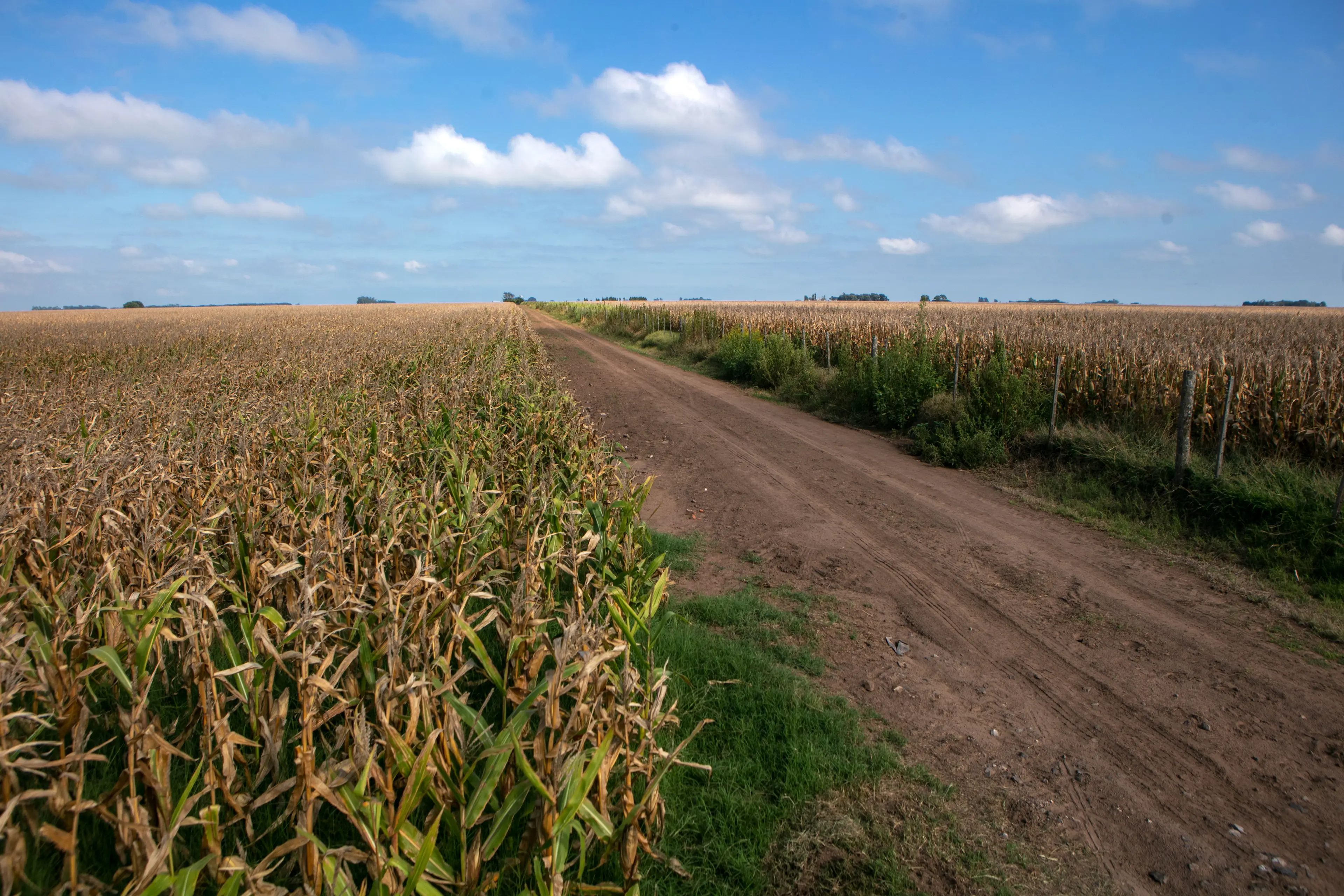
Weather forecasts by mid-2026 indicated an impending severe El Niño event globally, signalling that the world was heading towards a severe El Niño. The anticipated drought conditions are expected to coincide directly with South Africa’s 2026-27 summer crop season. This meteorological development follows South Africa’s largest-ever summer grain and oilseed crop recorded during the 2025-26 season. The prospect of a severe El Niño, known for its global weather pattern disruptions, raises concerns for agricultural sectors worldwide, including South Africa's. However, recent agricultural performance and strategic planning within the country's farming community may offer a buffer against the most severe impacts.
Past Droughts and Price Shocks
South Africa experienced a significant drought during the 2014-15 and 2015-16 agricultural seasons, a period that remains a memorable drought for the nation. During this period, the nation's maize harvest declined significantly, averaging approximately 8.9 million tonnes. This substantial drop in production for South Africa’s staple grain had direct consequences for the economy and consumers. The drought conditions contributed to a rise in food costs, with food price inflation averaging 10.8% in 2016. This historical context shows the vulnerability of the South African economy to agricultural disruptions, particularly given the importance of food in household budgets. Food plays a substantial role in South Africa's overall inflation calculations, representing a weighting of about 16.8% in the country's inflation basket. Therefore, fluctuations in food prices have a noticeable impact on the overall cost of living. In more recent times, early 2026 saw a different trend, with food price inflation averaging a much lower 3.2% in the first five months of that year, indicating a period of relative stability before the El Niño forecasts emerged. This lower inflation rate reflects a more strong agricultural output in the immediate preceding seasons.
Record Harvests and Ample Stocks
South Africa experienced continued summer rains into May 2026 during the 2025-26 agricultural season, contributing to favorable growing conditions. This extended rainfall was unusual, as summer rains typically conclude around March. The Crop Estimates Committee’s latest projections indicate a record summer crop harvest for the 2025-26 period, showing the exceptional conditions. The 2025-26 summer crop is estimated to reach a record 21.49 million tonnes, representing a 5% increase year-on-year. This comes after the 2024-25 season also saw summer rains extend through April 2025, which typically conclude in March, setting a precedent for extended wet periods. The consistent and prolonged rainfall in these preceding seasons has significantly boosted agricultural output.
South Africa’s maize production estimate for 2025-26 stands at 17.25 million tonnes, marking a 4% increase from the previous season and representing the largest harvest on record. The country is specifically expecting a maize harvest of 17.3 million tonnes for the 2025-26 season. This record maize harvest is particularly significant as maize is South Africa’s staple grain, forming a cornerstone of the national diet and agricultural economy. The nation's annual maize consumption is approximately 12.0 million tonnes, meaning the projected harvest for 2025-26 far exceeds domestic demand. This surplus production provides a substantial buffer, potentially allowing for exports and ensuring ample domestic supply even if the subsequent 2026-27 season faces drought conditions. The strong stock levels from this record harvest could play a key role in stabilizing food prices and ensuring food security during the anticipated El Niño period.
Mitigating Factors for El Niño
For southern Africa, El Niño typically presents drought conditions, which can negatively affect agricultural production. This general pattern has historically led to concerns about food security and economic stability in the region. However, South Africa received unusual rains through May 2026, extending beyond the typical end of summer rains around March. This extended rainfall occurred just prior to the anticipated El Niño event, providing a unique advantage.
The country's agricultural sector has some resilience built into its structure, which could prove vital in the face of the impending drought. Roughly 20% of South Africa’s field crops are under irrigation, providing a buffer against drier conditions, while the remaining crops are rainfed. This irrigation capacity could help mitigate some of the potential impacts of reduced rainfall during an El Niño period, ensuring that a significant portion of agricultural land remains productive. The record harvests of the 2024-25 and 2025-26 seasons mean that existing grain reserves are likely to be substantial. These reserves offer a critical supply cushion, reducing immediate pressure on food prices and availability during the early stages of a drought. The proactive management of water resources and the strategic use of irrigation systems are key components of South Africa's adaptation strategy to climate variability.
Looking ahead, the planting period for South Africa's 2026-27 agricultural season is scheduled to commence in October 2026. This timing means that any immediate drought effects from an El Niño would primarily influence planting decisions and early crop development for that season. Farmers will be closely monitoring weather patterns and soil moisture levels as they prepare for planting. The extended 2025-26 summer rains could contribute to higher soil moisture levels at the start of the 2026-27 planting season, offering some initial advantage to farmers despite the El Niño forecast. This residual moisture in the soil can support early crop establishment, potentially delaying the onset of severe water stress for rainfed crops. While the El Niño forecast presents clear challenges, the combination of record-breaking harvests, strategic irrigation infrastructure, and favorable soil moisture conditions from recent unusual rainfall patterns positions South Africa with a potentially more resilient outlook compared to previous drought episodes. The coming months will be critical in determining the full extent of El Niño's impact on the nation's food production and prices.