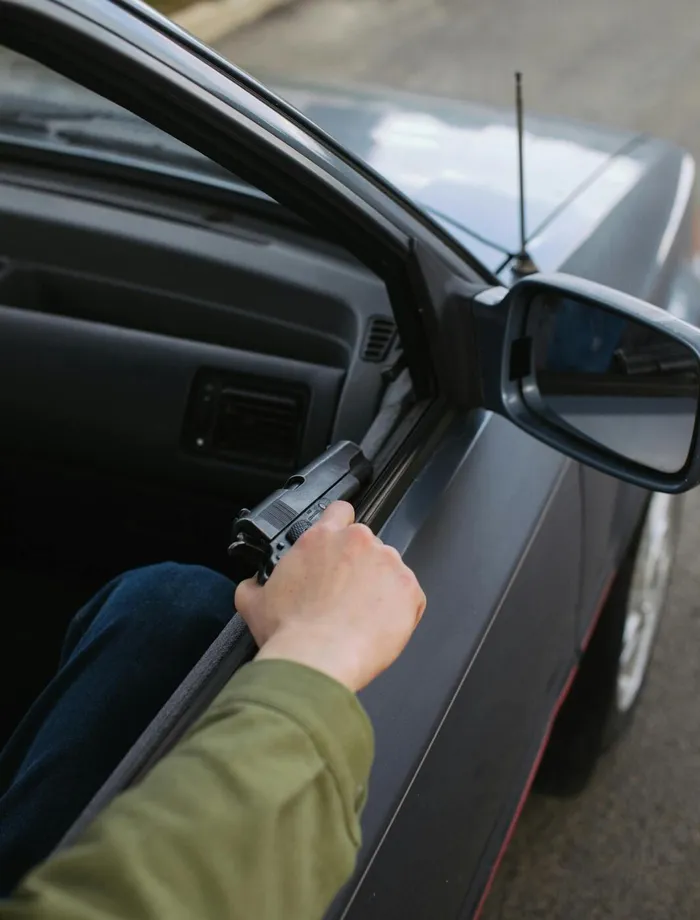
South Africa experiences 60 incidents of car hijacking daily, according to the country's latest crime statistics. This alarming figure shows the severe and ongoing threat posed by vehicle-related crime across the nation. The figures for the past two quarters indicate little improvement in the ongoing carjacking crisis across the nation, noting a persistent and entrenched challenge for law enforcement and the public alike. These statistics highlight the persistent challenge faced by authorities in curbing vehicle-related crime, with the daily average remaining a significant concern for public safety and security. The consistent rate of these incidents suggests that current measures may not be sufficiently deterring criminal syndicates, leading to a continued state of heightened vigilance required from motorists.
Most Targeted Vehicles
The Toyota Hilux and Volkswagen Polo continue to dominate carjacking statistics, largely due to their widespread popularity, high resale value, and the strong demand for their parts on the black market. These models offer lucrative opportunities for criminal syndicates, who can quickly dismantle vehicles for components or resell them, often across borders. The prevalence of these vehicles on South African roads makes them readily accessible targets for hijackers. The Ford Ranger also remains a significant target for criminal syndicates, with carjacking incidents involving this model reportedly increasing. Its strong build and utility also contribute to its high demand in illicit markets, making it a valuable asset for criminals. The sustained targeting of these popular models reflects a clear economic incentive for criminal networks involved in vehicle theft and resale.
New additions to the list of targeted vehicles include the Kia Picanto, the Isuzu D-Max, and the Toyota Corolla Cross, indicating a diversification in hijacked vehicle types. These models have recently emerged on the radar of criminal networks, suggesting a broadening scope of criminal operations beyond traditionally high-value vehicles. This shift might be attributed to changing market demands for stolen parts or the ease with which these particular models can be compromised. The inclusion of these diverse vehicle types means that a wider range of motorists are now at risk, necessitating a broader approach to prevention and awareness.
High-Risk Locations and Times
In the Western Cape, the N2 route leading to Cape Town International Airport continues to feature prominently in hijacking reports. This critical artery, often used by tourists and business travelers, presents opportune moments for criminals to strike. Gauteng's Alexandra remains one of the province’s most dangerous areas for motorists, experiencing persistent carjacking activity. The dense urban environment and specific road layouts in Alexandra are often exploited by syndicates. KwaZulu-Natal’s Inanda continues to record high levels of vehicle-related crime, contributing significantly to national statistics. These specific geographic hotspots are consistently identified in crime reports, indicating entrenched criminal operations in these areas.
Data indicates that motorists face a higher risk of being hijacked between 4pm and 9pm, suggesting peak hours for criminal operations. This timeframe often coincides with commuters returning home from work, when traffic is heavier and visibility may be reduced, providing cover for hijackers. Incidents involving spikes or debris placed on roads remain highly dangerous, posing a significant threat to drivers in these identified high-risk locations and times. These methods are designed to disable vehicles and force drivers to stop, making them vulnerable to attack. The strategic placement of these obstacles in areas known for high traffic volume exacerbates the risk for unsuspecting motorists.
Expert Advice for Motorists
Motorists are advised to maintain heightened vigilance, especially when traversing high-risk areas and during peak hours between 4 PM and 9 PM. Awareness of surroundings, particularly at intersections, driveways, and when parking, is key for personal safety. These locations often present moments of reduced speed or full stops, making vehicles easier targets. Drivers should also be cautious of potential road obstructions, such as spikes or debris, which perpetrators use to disable vehicles. Varying daily routes and avoiding predictable travel patterns can reduce vulnerability to targeting, as consistent routines make it easier for criminals to plan an attack. Ensuring vehicle doors are locked and windows are closed, even for short stops, is a fundamental preventative measure against opportunistic criminals. Additionally, motorists should avoid resisting hijackers, as compliance is often recommended to minimize the risk of injury, as personal safety should always be the top priority. Reporting any suspicious activity or incidents to authorities promptly is also essential, as timely information can aid in criminal apprehension and prevention efforts.
Broader Implications
The persistent carjacking crisis in South Africa, with 60 incidents daily, reflects a significant challenge to public safety and economic stability. The continuous threat of vehicle hijacking not only impacts the personal security of citizens but also has wider economic repercussions, affecting insurance premiums, business operations, and investment confidence. The diversification of targeted vehicles, including models from Toyota, Volkswagen, Ford, Kia, and Isuzu, alongside high-risk areas in Western Cape, Gauteng, and KwaZulu-Natal, shows the evolving nature of the threat. This situation impacts citizens' daily lives and the broader security landscape, demanding ongoing, adaptive strategies from both law enforcement and the public to mitigate the risks associated with this widespread crime.