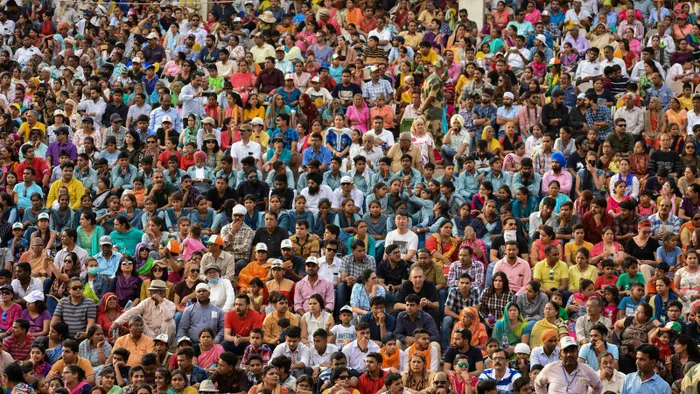
South Africa's population has increased by almost 53% since 1996, indicating significant demographic shifts within the country over the past two and a half decades. This substantial growth is accompanied by an aging population, as the country’s median age rose by six years, from 22 in 1996 to 28 in 2022. The demographic changes also reflect in the composition of its ethnic groups, with Coloured South Africans making up 8.2% of the total population in 2022, alongside shifts in other major population groups. These findings highlight a dynamic period of transformation for the nation, as detailed in recent statistical releases.
Population Growth and Demographic Shifts
South Africa's population expanded significantly from 40.6 million people in 1996 to more than 62 million in 2022, according to official data released by Stats SA. This represents a substantial increase over the 26-year period, with the population growing at an average annual rate of 1.7%. The overall growth masks varying rates of increase across different age segments of the population.
Within this growth, specific age groups experienced notably different rates of increase, contributing to the overall demographic transformation. The elderly population recorded the fastest average annual growth between 1996 and 2022, expanding at a rate of 3% per year. This trend shows the aging of the South African population, a phenomenon observed globally but with specific implications for the country's social and economic structures. In contrast, the population of children aged up to 14 saw a comparatively modest increase, growing by just 0.7% a year over the same period. This slower growth rate for the youngest demographic suggests potential future shifts in the dependency ratio and educational planning.
The adult population, defined as those aged 15 to 34, also demonstrated significant expansion, reflecting a burgeoning youth and young adult cohort. This demographic segment grew by 2.8% annually, increasing substantially from 8.8 million in 1996 to almost 18 million in 2022. By 2022, people aged 15 to 34 constituted the largest age group within the country, totaling just over 21.6 million individuals. This concentration of young adults has profound implications for the labor market, higher education, and urban development, as this segment typically drives economic activity and social change. The median age of the population, which increased from 22 in 1996 to 28 in 2022, further illustrates the gradual maturation of the country's demographic profile, moving away from a very young population structure.
Historical Census Context
South Africa's population grew at an average annual rate of 1.7% over the 26-year period from 1996 to 2022. This period commenced with a landmark event in the country's statistical history: the 1996 census, which marked the country’s first democratic census. This key undertaking followed the last apartheid-era census conducted in 1991, representing a fundamental shift in how the nation counted and understood its people. The historical context of census-taking in South Africa under apartheid differed significantly from the democratic approach adopted in 1996, reflecting the profound political and social changes that had swept through the nation.
Under the apartheid regime, the Central Statistical Service (CSS) operated with a distinct bias. Researchers John Kahimbaara and Frederick Orkin, along with former statistician general Pali Lehohla, articulated this in a critical 1998 paper. They observed that the CSS had "basically been shaped to serve White South Africa, and especially metropolitan business interests," indicating a systemic prioritization of certain segments of the population over others. They pointed out that the statistical infrastructure had been "geographically fragmented in line with apartheid policy," which inherently distorted the collection and interpretation of national data.
The researchers further stated that during the apartheid era, African residents were "[regarded as objects of measurement] and administrative policy rather than as citizens or potential users." This dehumanizing perspective influenced the methodology and scope of previous censuses, leading to incomplete and often unreliable data for the majority of the population. They described previous census data as "a pastiche of small-area detail, of variable quality," noting the inconsistencies and inaccuracies inherent in a system designed to uphold segregation. A clear example of this bias was that census questionnaires during that period were printed only in English and Afrikaans, effectively excluding a significant portion of the population who spoke indigenous languages from direct participation and accurate enumeration.
Kahimbaara, Orkin, and Lehohla also noted a critical transparency issue from the apartheid era: "The fact that the totals were the outcome of a model rather than the counts was covered in a technical report, but never clarified to the public." This lack of transparency further eroded public trust and the statistical integrity of the data. In stark contrast, Census 1996 was reconceived around a "democratic" approach, aiming to ensure that "every citizen and community of the new South Africa was to be treated by the CSS’s census process with equal respect and methodological attention." This commitment to inclusivity and accuracy marked a new era for official statistics in the country, striving for a full and representative understanding of the entire population, irrespective of race or geographic location.
Geographic and Ethnic Realignment
The demographic shifts observed since 1996 extend significantly to the ethnic composition and geographic distribution of South Africa's population. Black Africans constituted 81.4% of South Africa's population in 2022, an increase from 77% recorded in 1996, reflecting a growing proportion within the national demographic. Concurrently, the white population's share of the total declined from 11% in 1996 to 7.3% by 2022, a trend indicative of various factors including lower birth rates and emigration. Coloured South Africans accounted for 8.2% of the population in 2022, maintaining a significant presence within the diverse national fabric. These shifts show the evolving ethnic landscape of post-apartheid South Africa.
Significant shifts also occurred in provincial population distribution, driven by internal migration and urbanization. Gauteng province, the economic powerhouse of South Africa, surpassed KwaZulu-Natal to become the most populous province in 2011, a demographic change reflecting ongoing urbanization and migration patterns as people seek economic opportunities. By 2022, Gauteng's resident population exceeded 15 million individuals, solidifying its position as the country's most densely populated and economically vibrant region. The Western Cape province also experienced a notable rise in its population ranking, moving from fifth to third place among South Africa's provinces. This upward trajectory in population size for the Western Cape indicates its growing appeal as a destination for internal migrants, contributing to its economic and social development. These inter-provincial movements are reshaping the demographic map of the country, influencing resource allocation, infrastructure development, and service provision across different regions.
Changing Dependency Ratios
South Africa's national dependency ratio decreased from 64.4% in 1996 to 48.8% in 2022, a significant decline that reflects fundamental changes in the age structure of the population. This shift was primarily driven by a substantial decline in the child dependency ratio, which dropped from 56.4% to 39.2% over the same period. The reduction in child dependency indicates a lower proportion of children (aged 0-14) relative to the working-age population (15-64), often associated with declining fertility rates. This trend can potentially free up resources for investment in education and other social services for a smaller, more focused young population.
Conversely, while the overall dependency ratio decreased, the old-age dependency ratio saw an increase, rising from 7.9% in 1996 to 9.6% by 2022. This upward trend signifies a growing proportion of elderly individuals (aged 65 and over) relative to the working-age population. The increase in old-age dependency is a direct consequence of the aging population, as noted by the rise in median age and the faster growth rate of the elderly demographic. This shift poses challenges for social security systems, healthcare provision, and retirement planning, as a smaller working-age population supports a larger elderly cohort. The changing ratios reflect alterations in the proportions of dependent age groups relative to the working-age population, indicating a demographic transition with long-term implications for the country's social and economic planning. The combined effect of these changes points to a more mature population structure, requiring adaptive policies to ensure sustainable development and social welfare.