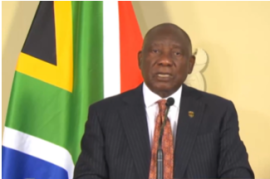
South African President Cyril Ramaphosa promised Sunday to address concerns regarding undocumented migration amidst a rise in anti-immigrant sentiment. The pledge follows reports from Mozambique's government that five of its citizens were killed in xenophobic attacks in Mossel Bay. The president's statement indicates a commitment to tackle the growing tensions surrounding foreign nationals within South Africa. This commitment comes at a time when public discourse around migration is increasingly polarized. Measures to be taken are expected to focus on both immigration policies and community relations, aiming to restore order and address the root causes of xenophobia. President Ramaphosa's remarks show the government's recognition of the urgent need to manage the complex dynamics of migration, ensuring both national security and the protection of human rights for all residents.
Rising Anti-Migrant Sentiment
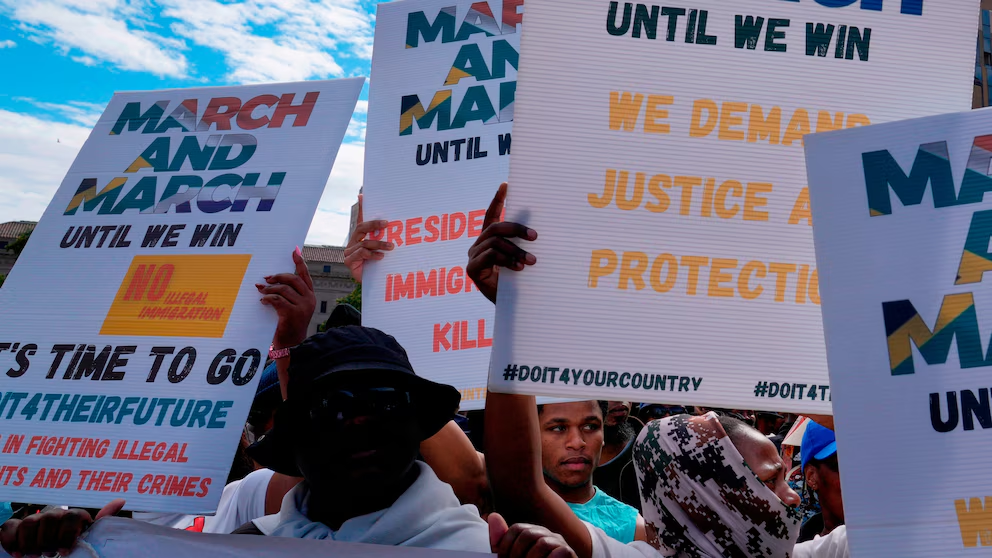
Anti-migrant protest groups in South Africa have issued a deadline of June 30 for foreign nationals residing in the country unlawfully to depart. These groups have intensified their activities, reflecting a growing frustration among certain segments of the population regarding the presence of undocumented immigrants. The groups' actions coincide with heightened efforts to control South Africa's borders, which have become a focal point for the government's immigration strategy. In the past year alone, approximately 450,000 individuals attempting to enter South Africa without proper documentation were intercepted at border crossings. This significant number notes the scale of the challenge faced by border authorities and the persistent pressure on the country's entry points. The increased vigilance at the borders is a direct response to public and political demands for stricter immigration enforcement.
Historical Context and Origins
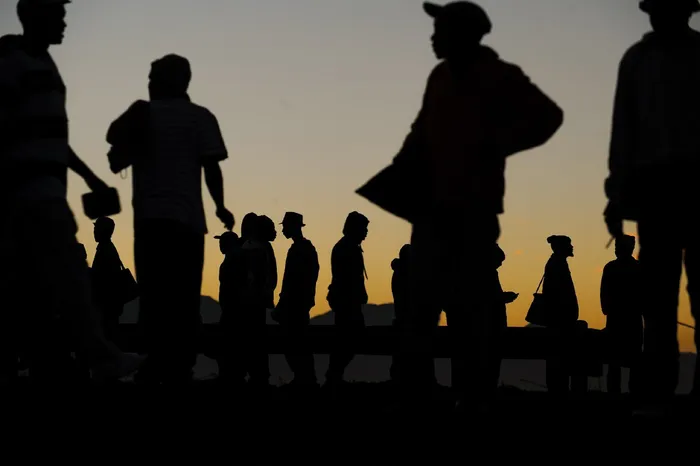
Estimates suggest that between 2 million and 5 million migrants reside in South Africa without authorization, out of a total population of 62 million people. This substantial figure represents a significant portion of the country's total population and contributes to the ongoing debate about resources and social services. South Africa has historically been a destination for migrants from various African nations, drawn by its comparatively stronger economy and perceived opportunities. These include neighboring countries such as Zimbabwe, Mozambique, and Lesotho, as well as those further afield like Nigeria, Ghana, Malawi, and Ethiopia. The influx of people from these diverse backgrounds has contributed to the rich cultural tapestry of South Africa but has also, at times, fueled social tensions. The country has previously experienced significant outbreaks of anti-foreigner violence. In 2008, more than 60 individuals died in attacks that international rights organizations characterized as xenophobic. These incidents, which drew widespread international condemnation, show a recurring challenge related to migration and social cohesion within the nation, demonstrating the severe consequences of unresolved anti-immigrant sentiment. The current situation echoes some of these past challenges, prompting renewed calls for full solutions.
Government Response and Warnings
Ghana repatriated approximately 300 of its citizens from South Africa last month following reports of threats against foreign nationals. This proactive measure by the Ghanaian government shows the growing concerns among foreign governments regarding the safety of their citizens residing in South Africa, particularly in the face of rising xenophobic rhetoric and incidents. The decision to repatriate citizens reflects the seriousness with which these threats are being perceived internationally. Meanwhile, South Africa's coalition government, which took office in 2024, has intensified efforts to manage undocumented migration, making it a key policy priority. Over the past two years, more than 100,000 individuals found to be in the country illegally have been deported. These deportations reflect a government strategy to enforce immigration laws amidst rising public pressure regarding the influx of foreign nationals and the perceived strain on public services. The actions by both Ghana and the South African government highlight the evolving dynamics and increased scrutiny surrounding migration issues in the region, signaling a more stringent approach to immigration enforcement and a heightened awareness of the welfare of foreign nationals.
President's Call for Order
President Cyril Ramaphosa emphasized the importance of maintaining law and order, stating that authorities would not tolerate any actions that undermine stability. He specifically warned against violence and vigilantism, asserting that such behaviors would be met with the full force of the law. He called for a unified approach to address the complexities of migration, urging citizens to respect the rule of law and to engage in constructive dialogue rather than resorting to hostility. Ramaphosa noted the government's commitment to implementing policies that ensure both national security and the protection of human rights for all residents, regardless of their origin. His appeal seeks to de-escalate tensions and promote a more orderly process for managing migration challenges, while simultaneously reaffirming the government's responsibility to protect everyone within its borders. The president's message aims to reassure both South African citizens and foreign nationals that the government is actively working to create a stable and just society.