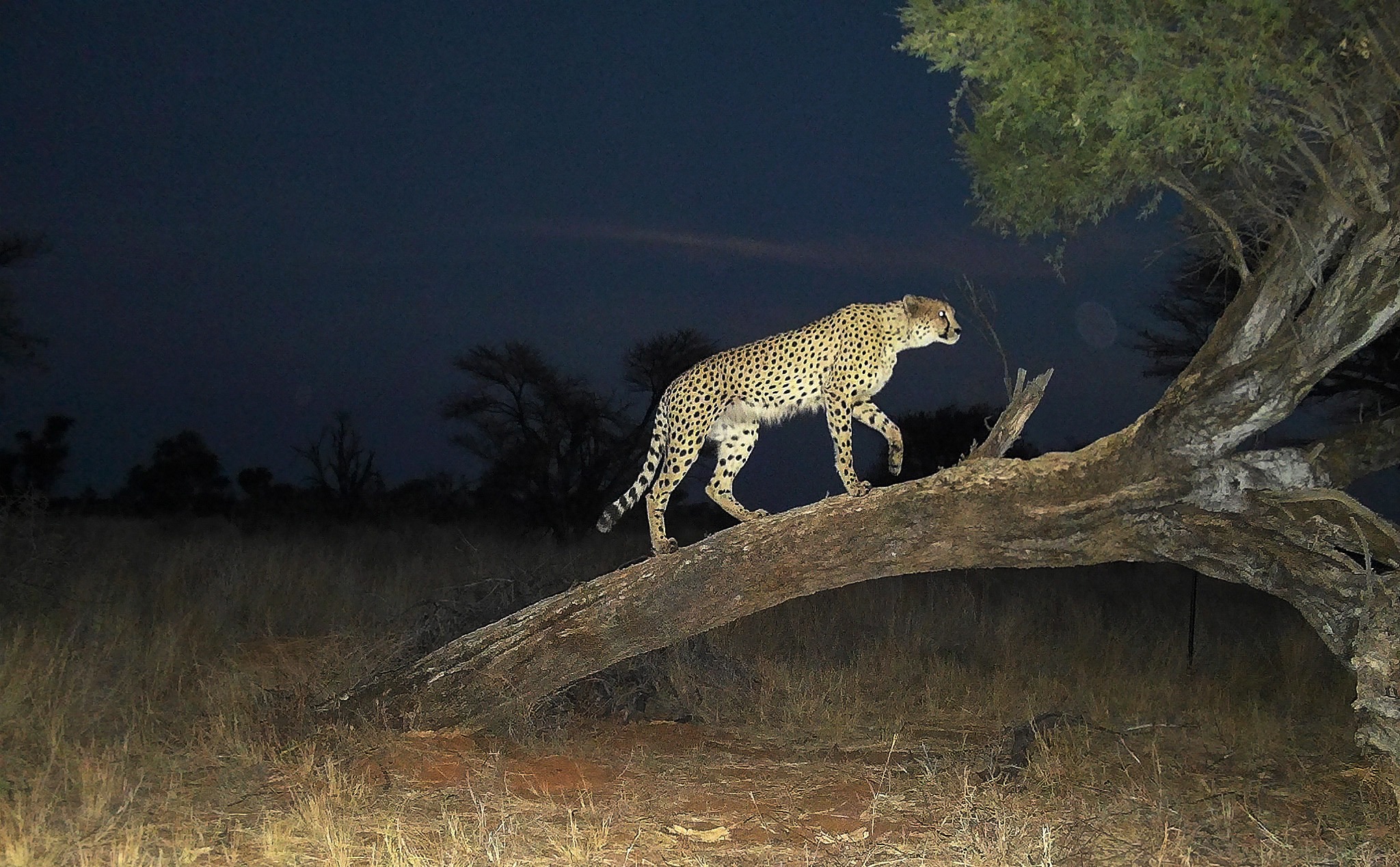
A full three-and-a-half-year census, utilizing 389 camera traps and analyzing 5.2 million images, has revealed that South Africa's wild cheetah population is significantly smaller than previously estimated. The extensive study identified a minimum of 83 mature adult cheetahs across nearly 100,000 square kilometers within the Northern Cape, North West, and Limpopo provinces. This detailed count provides a key update to conservation efforts, noting the urgent need for revised strategies to protect this iconic species. The census also determined that the northwestern cheetah group forms a vital ecological link, connecting into neighboring Botswana and Namibia, which suggests a broader regional population dynamic for the species and shows the importance of transboundary conservation initiatives.
This new research marks a key moment for cheetah conservation in South Africa, moving beyond historical estimations to provide empirically verified data. The sheer scale of the undertaking, covering vast and diverse landscapes, reflects the dedication of the research teams and the critical need for accurate population figures. The findings challenge long-held assumptions and call for a re-evaluation of the species' conservation status within the country.
Unprecedented National Survey
The national cheetah census was conducted using a multi-faceted approach, incorporating three dedicated field teams to gather data across the extensive survey area. These teams meticulously worked to collect information and track cheetah movements over the three-and-a-half-year period. Researchers employed a combination of methodologies, including full interviews with local farmers across the surveyed regions, leveraging their invaluable on-the-ground knowledge. The study also involved the collection of genetic samples from cheetahs, which assisted in individual identification and provided key insights into population analysis and genetic diversity. Additionally, GPS collars were utilized on some cheetahs to track their movements, understand their habitat use patterns, and identify key corridors, all contributing to the overall accuracy and depth of the population count. This integrated approach ensured a strong dataset, allowing for a more precise understanding of the cheetah population dynamics.
The careful process of data collection involved setting up 389 camera traps strategically across the vast nearly 100,000 square kilometers. These traps continuously monitored cheetah activity, capturing millions of images that would later be analyzed. The commitment to such an exhaustive method underlines the scientific rigor applied to this national survey, aiming for the most accurate representation of the wild cheetah population possible.
A significant aspect of the census's success was the high level of cooperation from the agricultural community. Approximately 90% of farmers approached by the research teams were willing to engage and speak with the researchers. This widespread participation from landowners and farm managers provided invaluable local knowledge, offering insights into cheetah sightings, movements, and potential challenges in their areas. Their willingness to grant access to private lands was key for surveying elusive species like the cheetah that often inhabit vast and privately owned territories, making direct observation difficult. The collaborative nature of the conservation effort, with farmers playing a key role, was instrumental in achieving the extensive coverage and detailed data collection necessary for such a full study. This partnership notes the potential for successful conservation outcomes when local communities are actively involved and supportive.
Alarming Population Decline
Previous estimates for South Africa’s free-roaming cheetah population suggested approximately 300 mature individuals. These figures had long served as a baseline for conservation planning and international reporting. The recent census, however, has identified a significantly lower number, presenting a stark picture of the species' current standing in the wild. The verified total from the study, which includes cubs and subadults, reached 119 animals. This figure indicates a substantial disparity between long-held assumptions and the current ecological reality for the species, suggesting a more precarious situation than previously understood. The discovery of only a minimum of 83 mature adults further emphasizes the critically low numbers of breeding individuals, which are essential for the long-term viability of the population.
The study noted particular concerns for the Limpopo cheetah group. Researchers observed that this population is facing increasing pressure from human expansion, becoming more confined by the proliferation of roads, settlements, human activity, and agricultural fences. This encroachment fragments their habitat, breaking up vital territories and restricting their natural movement patterns. Such fragmentation directly impacts their ability to find sufficient prey, locate suitable mates, and disperse to new areas, all of which are key for the survival and genetic health of the population. The ever-growing human footprint in this region poses a significant and immediate threat to the continued existence of cheetahs in Limpopo.
The census also documented a concerning mortality rate among mature adult cheetahs during the study period. A total of 17 mature adults died over the course of the three-and-a-half-year survey. This attrition rate poses a significant challenge to the already small and vulnerable population, as the loss of even a few breeding individuals can have a disproportionately large impact on overall population stability and growth. Such a high mortality rate for mature adults makes conservation efforts even more critical for the long-term survival of the species in the wild. The combined impact of habitat loss and adult mortality contributes to the alarming decline observed in the national cheetah population, showing the urgency of implementing effective protective measures.
Challenges and Future Roadmaps
The cheetah census employed advanced technology, including image-recognition software, to process the vast number of camera trap photographs. This software was instrumental in sifting through the 5.2 million images captured, identifying potential cheetah sightings and categorizing them. However, human verification remained essential for accurately identifying and matching individual cheetahs within the dataset. Researchers had to meticulously review the software's output to confirm identifications and ensure the reliability of the population count, as the unique spot patterns of each cheetah require expert human eyes for definitive identification. This hybrid approach combined technological efficiency with the precision of expert human observation, which was key given the unique spot patterns that distinguish each cheetah, making individual recognition a complex task.
Conservation efforts for free-roaming cheetahs in South Africa also face legal enforcement challenges, particularly concerning illegal killings. Despite the species' protected status, reports indicate a complete lack of successful prosecutions for unlawfully killing a free-roaming cheetah within the country. This absence of legal repercussions for such acts complicates efforts to deter poaching and other forms of illegal harm to the vulnerable population. The current legal framework and its implementation have not yet yielded convictions for these specific offenses, noting a significant hurdle in protecting cheetahs from human-induced mortality. The fact that there has apparently never been a successful prosecution for the illegal killing of a free-roaming cheetah in South Africa sends a concerning message about accountability and enforcement, potentially emboldening those who illegally target these animals. Addressing this gap in legal enforcement is critical for ensuring the long-term safety and recovery of the wild cheetah population.
The findings from this full census provide a critical foundation for future conservation strategies. The detailed data on population size, distribution, and threats will enable conservationists to develop more targeted and effective interventions. Protecting the remaining 83 mature adult cheetahs and their offspring will require concerted efforts, including habitat preservation, anti-poaching initiatives, and continued collaboration with local communities and landowners. The vital connection of the northwestern cheetah group to Botswana and Namibia also notes the need for regional cooperation in conservation, ensuring that efforts extend beyond national borders to protect this wide-ranging species. The challenges are significant, but with accurate data and dedicated action, there is hope for securing a future for South Africa's wild cheetahs.