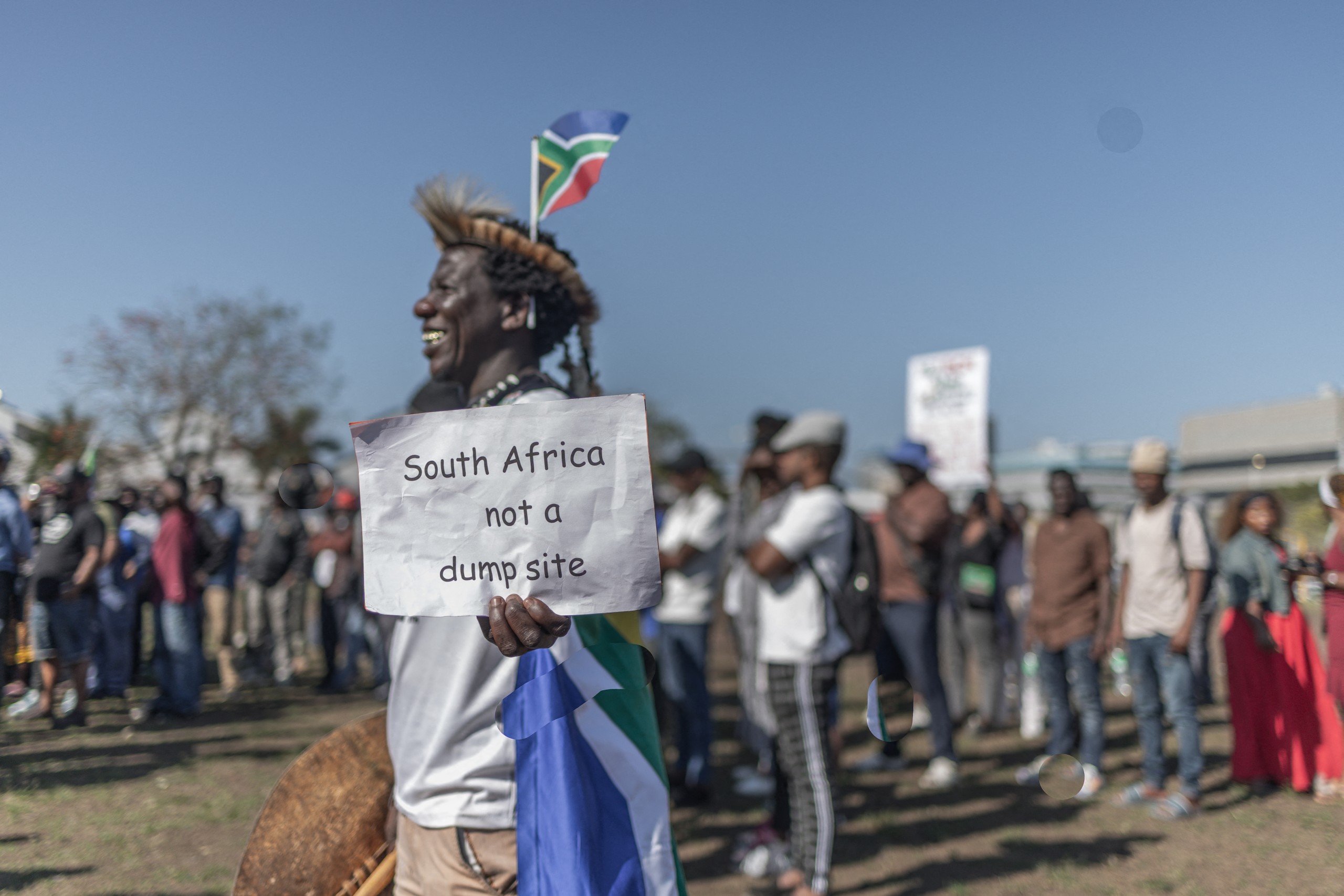
A United Nations watchdog has expressed grave concern regarding a significant increase in xenophobia and racist hate crimes targeting migrants in South Africa this year. The statement from the Geneva-based body noted the surge in incidents across the nation, drawing attention to a deteriorating environment for foreign nationals. This urgent warning shows the international community's growing apprehension over the safety and rights of migrants within the country's borders. The committee's findings paint a stark picture of the challenges faced by thousands of individuals seeking refuge or economic opportunity in South Africa.
Scale of Migrant Displacement and Abuse
The UN Committee on the Elimination of Racial Discrimination (CERD) reported on Thursday that at least 50,000 people have been displaced within South Africa by civilians and organized vigilante groups. These displacements often occur under threats of violence, forcing individuals to abandon their homes and livelihoods. The committee noted "widespread use of racist hate speech" which, it stated, "fosters stigmatisation and intolerance and creates an environment of fear and insecurity for migrants." This widespread hate speech, amplified through various channels, contributes significantly to the hostile atmosphere. Abuses against migrants have included abductions, looting, destruction of property and businesses, unlawful evictions, and restrictions on access to essential services, severely impacting their ability to live and work safely. These acts of violence and intimidation are often carried out with impunity, further exacerbating the migrants' vulnerability.
CERD also cited "racially motivated excessive use of force" in its findings, indicating a pattern of disproportionate and often violent responses against migrant communities. According to an AFP tally based on figures from African governments that organized repatriations, more than 160,000 people have left South Africa since late May, a mass exodus indicative of the severe conditions. This significant number notes the extent of the crisis, as many migrants feel they have no option but to return to their countries of origin. Among those who departed, around 1,500 Nigerians were repatriated, a specific figure that illustrates the diverse nationalities affected by the violence. Police confirmed that at least four migrants were killed in the violence, a tragic testament to the deadly consequences of xenophobic attacks. The committee stressed that these fatalities show the urgent need for protective measures and accountability.
Roots of Intolerance and Systemic Issues
The UN Committee on the Elimination of Racial Discrimination (CERD) identified the widespread use of racist hate speech and negative stereotypes against migrants, refugees, and asylum seekers as a significant factor in fostering stigmatisation and intolerance. This pattern is particularly prevalent online, contributing to an environment of fear where misinformation and prejudice can spread rapidly. The committee observed that such rhetoric not only fuels hostility but also dehumanizes migrants, making them targets for discrimination and violence. South Africa is concurrently grappling with an unemployment rate exceeding 30 percent and widespread inequality, which the committee did not directly link but noted as a backdrop to the social climate. While CERD did not establish a direct causal link, these socio-economic challenges are often cited in public discourse as underlying factors contributing to anti-migrant sentiment.
CERD voiced concern regarding the continued persistence of racial profiling and what it termed "racially motivated excessive use of force" by law enforcement officials within South Africa. This indicates a systemic issue where state actors may contribute to the very discrimination they are meant to prevent. The committee emphasized the need for accountability for these actions, calling for thorough investigations and appropriate sanctions against perpetrators. To address the systemic issues, CERD urged South Africa to ensure accountability and end impunity by conducting proper investigations into all reported abuses. This includes not only civilian-led attacks but also instances where law enforcement is implicated. The watchdog noted the "widespread use of racist hate speech" as a driver of hostility and further showed the problem of "racially motivated excessive use of force" by authorities as part of the broader pattern of intolerance, demanding full action to dismantle these discriminatory practices.
UN Committee's Role and Recommendations
The Committee on the Elimination of Racial Discrimination (CERD) functions as a body of 18 independent rights experts tasked with monitoring adherence to the Convention on the Elimination of All Forms of Racial Discrimination. These experts, drawn from various legal and human rights backgrounds, bring a wealth of experience to their oversight role. This convention, which serves as the foundational international treaty against racism, came into force in 1969, establishing a global framework for combating racial discrimination in all its forms. While CERD's opinions and recommendations are non-binding on member states, they hold significant reputational weight within the international community, making them a powerful tool for encouraging compliance. The committee's role involves reviewing periodic reports submitted by state parties on their implementation of the Convention and issuing observations and recommendations to help them comply with their obligations under the Convention. This process aims to encourage states to address racial discrimination effectively, providing guidance on legislative, policy, and practical measures. The recommendations serve as a roadmap for states to improve their human rights records and foster a more inclusive society.
Official Response and Call for Action
South African president Cyril Ramaphosa has condemned vigilantism, xenophobia, hate crimes, and violence targeting migrants. His statement addressed the escalating incidents reported across the nation, acknowledging the severity of the problem. This official response from the head of state comes as international bodies scrutinize the country's handling of the surge in anti-migrant sentiment and associated abuses, placing increased pressure on the government to act decisively. President Ramaphosa's condemnation signals a commitment at the highest level to address these issues, though the effectiveness of these condemnations will be measured by concrete actions and their impact on the ground. The international community, including CERD, will continue to monitor South Africa's efforts to protect migrant populations and uphold its human rights obligations.