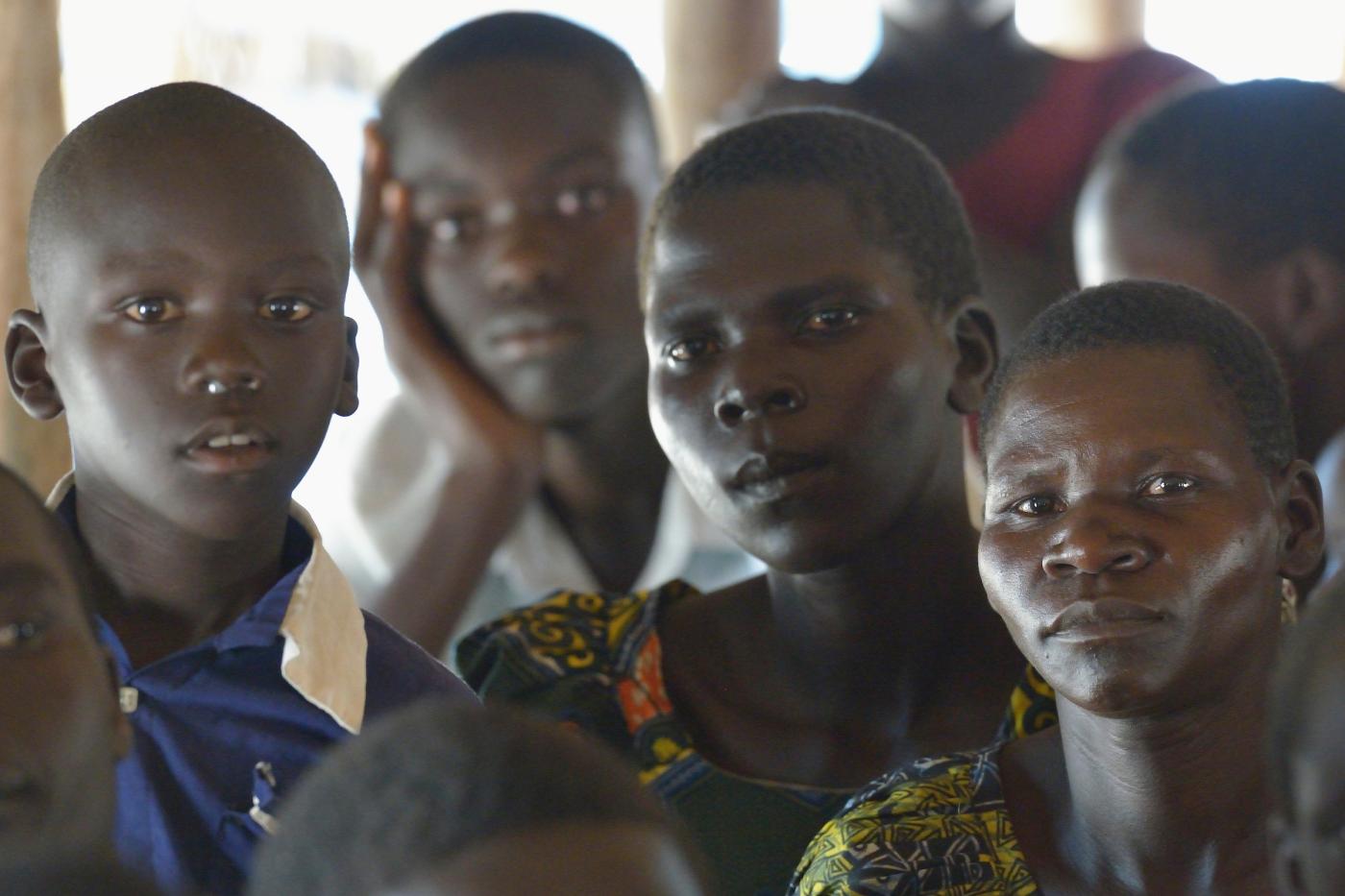
The World Council of Churches (WCC) general secretary, Rev. Prof. Dr Jerry Pillay, voiced profound concern regarding the escalating violence targeting African migrants in South Africa. Rev. Prof. Dr Pillay stated the WCC refuses "to erase the diverse people of South Africa by erasing their good deeds and radical hospitality toward siblings from across the continent." He identified the situation as "one of the continuing legacies of apartheid and colonization" through "intentional and rigorous processes of moral discernment." Rev. Prof. Dr Pillay asserted that "sociologically and politically, xenophobia functions as misdirected anger," redirecting "legitimate frustrations from power structures toward vulnerable communities." He urged churches to "name xenophobia and Afrophobia as sins against God and crime against humanity" and to "move beyond 'charitable responses to active justice work,'" challenging narratives that criminalize migrants.
Roots of the Crisis
The World Council of Churches identifies the situation in South Africa as a continuing legacy of apartheid and colonization. South Africa remains one of the most unequal societies globally, a condition that the WCC links to the current challenges. The organization states that the sources of the suffering experienced by migrants are too often obscured. This inequality and historical context contribute to the complex environment in which xenophobia has escalated against African migrants. The WCC's assessment shows the need to address foundational issues that fuel the violence. The organization emphasizes these underlying factors when calling for a deeper understanding of the crisis.
WCC's Stance and Call
The World Council of Churches (WCC) states that its central concern regarding the violence against African migrants in South Africa is one of justice, rather than merely compassion. WCC general secretary Rev. Prof. Dr Jerry Pillay explained that "Sociologically and politically, xenophobia functions as misdirected anger." He added that xenophobia "performs an ideological function, redirecting legitimate frustrations from power structures toward vulnerable communities with limited protection."
The WCC recognizes that a minority of South Africans instigate and perpetrate the violence experienced by African migrants. Rev. Prof. Dr Jerry Pillay emphasized, "The WCC recognizes that the violence experienced by African migrants in South Africa is instigated and perpetrated by a minority of South Africans, who are misdirecting their anger and frustration or are hijacking and misdirecting legitimate public frustrations by the majority of ordinary South Africans." He further stated, "The WCC refuses to erase the diverse people of South Africa by erasing their good deeds and radical hospitality toward siblings from across the continent."
Action and Justice
Rev. Prof. Dr Jerry Pillay called upon the South African government, member churches, ecumenical partners, and all people of goodwill to uphold and protect the rights and human dignity of all migrants residing in the country. He emphasized the necessity of these collective efforts to ensure the safety and well-being of these vulnerable populations. The statement by Rev. Prof. Dr Pillay was issued following consultation with the World Council of Churches Reference Group on Overcoming Racism, Discrimination and Xenophobia. This group provides guidance and expertise on issues related to racial justice and stands against discriminatory practices. The WCC's engagement with its reference group notes a coordinated approach to addressing the xenophobic violence.