Archbishop Sithembele Sipuka of the Catholic Archdiocese of Cape Town recently called for dignified solutions to South Africa's social challenges, reflecting on growing tensions affecting migrants and refugees in the country. Archbishop Sipuka emphasized the need for unity, stating, "Our pain calls us not to find someone to blame but something to build." He added, "Only together can we seek lasting solutions that uphold the dignity of every person." This impassioned plea came as Archbishop Sipuka reflected on growing tensions affecting migrants and refugees in South Africa, a situation he believes requires a unified approach rather than divisive blame. He urged South Africans to find lasting solutions that uphold human dignity, rather than resorting to blame and resentment, showing the importance of collective action.
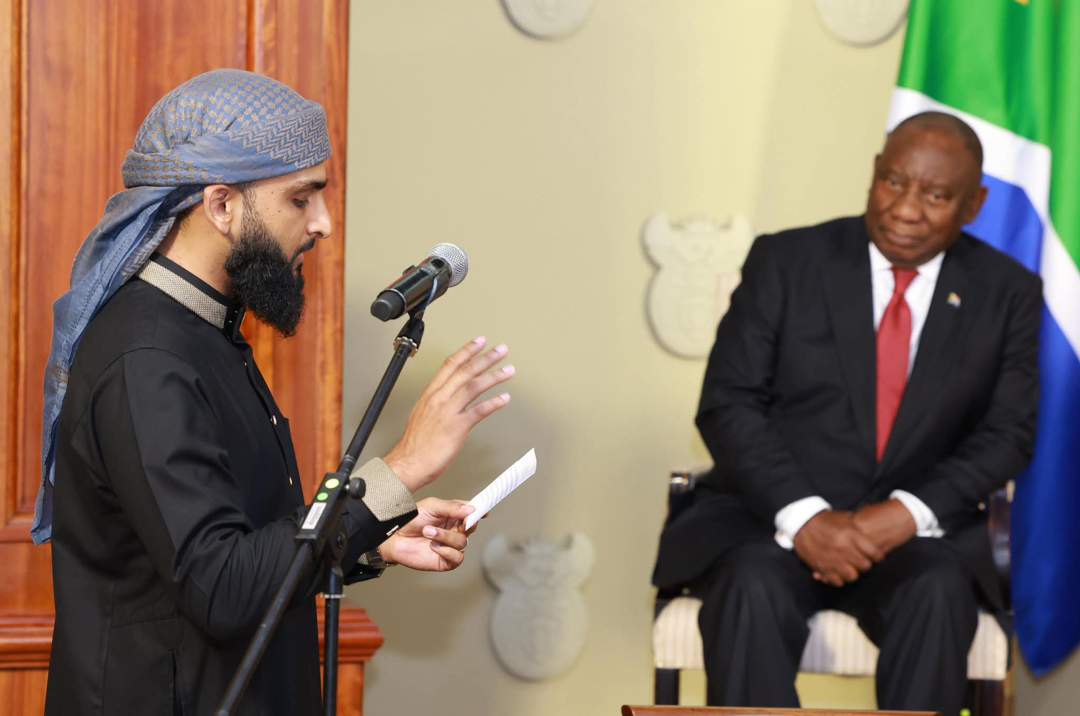
Addressing the root causes of South Africa's difficulties, Archbishop Sipuka asserted, "Mr President, if tomorrow every African foreign national were to leave this country, our problems would still be with us. The cause is not the foreigner. The cause is the elephant in the room. In isiXhosa, we say ukufa kusembizeni — the problem is in the pot itself." He further elaborated that this "elephant is an education system that does not equip our young people to create work for themselves. It is the corruption that has hollowed out our institutions and collapsed the services on which communities depend." He mentioned that the country's problems are rooted in an education system that does not equip young people to create work, and corruption that has hollowed out institutions, thereby directly impacting service delivery and societal well-being.
Pallium Ceremony in Rome
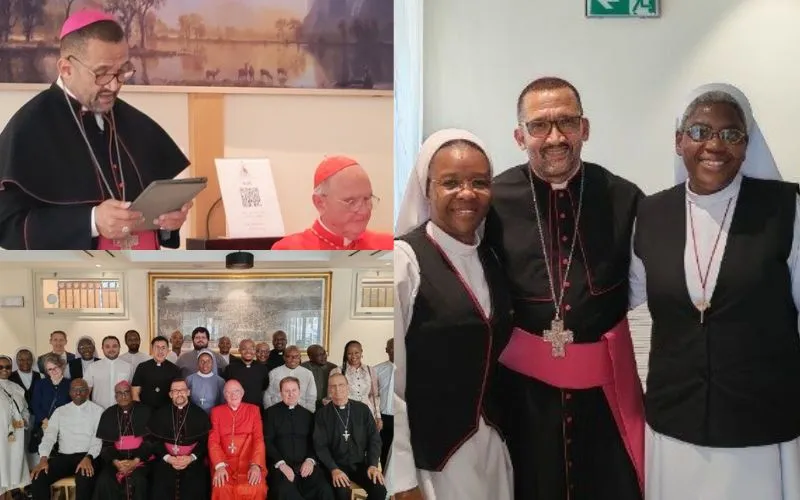
Archbishop Sithembele Sipuka received the pallium from Pope Leo XIV on Monday, June 29, during a ceremony held at St. Peter's Basilica in Rome. The date of the ceremony coincided with the Solemnity of the Apostles Peter and Paul. This significant annual event draws Catholic leaders from across the globe. Archbishop Sipuka later made remarks at Rome's Domus Australia Guest House, reflecting on his new responsibilities and the challenges facing his archdiocese and the broader South African society. He was among 35 Archbishops who received the pallium from the Pope that day, a testament to the global reach and unity of the Catholic Church. Another recipient was Archbishop Dennis Kofi Agbenyadzi of the Catholic Archdiocese of Berbérati in the Central African Republic. The pallium is described as a significant symbol of communion, authority, and unity with the Holy Father and his pastoral mission, representing the bond between the Pope and the Archbishops in their shared leadership of the Church. Pope Leo XIV traditionally bestows the pallium on new Archbishops on June 29 each year, marking a solemn occasion for the newly appointed leaders.
Addressing Systemic Failures
Archbishop Sithembele Sipuka urged South Africans to find lasting solutions that uphold human dignity, rather than resorting to blame and resentment. He stated that attacks on migrants distract attention from the real causes of public frustration and risk fuelling xenophobic violence. These concerns were raised during discussions about South Africa's social challenges, noting the urgent need for a shift in national discourse. He emphasized that redirecting blame towards vulnerable populations only serves to obscure the deeper, systemic issues that plague the nation.
Faith leaders under the South African Council of Churches (SACC) also warned against blaming migrants for the nation’s social and economic challenges. Archbishop Sithembele Sipuka is also the President of the South African Council of Churches (SACC), giving his words additional weight and representing a broader consensus among religious leaders. A meeting on June 17 brought together faith leaders and government officials, including President Cyril Ramaphosa, to discuss these issues. During the meeting, the SACC President expressed concern that law enforcement agencies had failed to respond decisively to attacks on migrants. The SACC President warned that such inaction could amount to 'silent complicity' in the violence, thereby exacerbating the plight of migrants and undermining the rule of law. They reminded the President that the country's problems stem from deep-seated failures in education, governance, and service delivery, rather than the presence of foreign nationals, urging a focus on these fundamental issues.
Call for Dignified Solutions
Archbishop Sithembele Sipuka urged citizens to resist narratives that scapegoat vulnerable people for the nation's challenges. As President of the South African Council of Churches (SACC), Archbishop Sipuka noted that the country's problems stem from deep-seated failures. He mentioned these issues are rooted in an education system that does not equip young people to create work and corruption that has hollowed out institutions. Archbishop Sipuka was installed as Archbishop of Cape Town on March 14, bringing a fresh perspective and renewed commitment to addressing these critical issues within his new role. He and other faith leaders reminded President Cyril Ramaphosa that South Africa's problems derive from failures in education, governance, and service delivery, rather than the presence of foreign nationals, advocating for full and equitable solutions. This collective message from faith leaders showed the moral imperative to protect vulnerable communities and address the structural inequalities that contribute to societal unrest. The Archbishop's call for unity and constructive problem-solving resonates deeply with the principles of human dignity and social justice. He stressed that a society built on scapegoating cannot achieve lasting peace or prosperity, and that true progress requires confronting uncomfortable truths about internal failings. The collective voice of the SACC, under Archbishop Sipuka's leadership, continues to advocate for policies that foster inclusivity and address the root causes of poverty and inequality in South Africa.