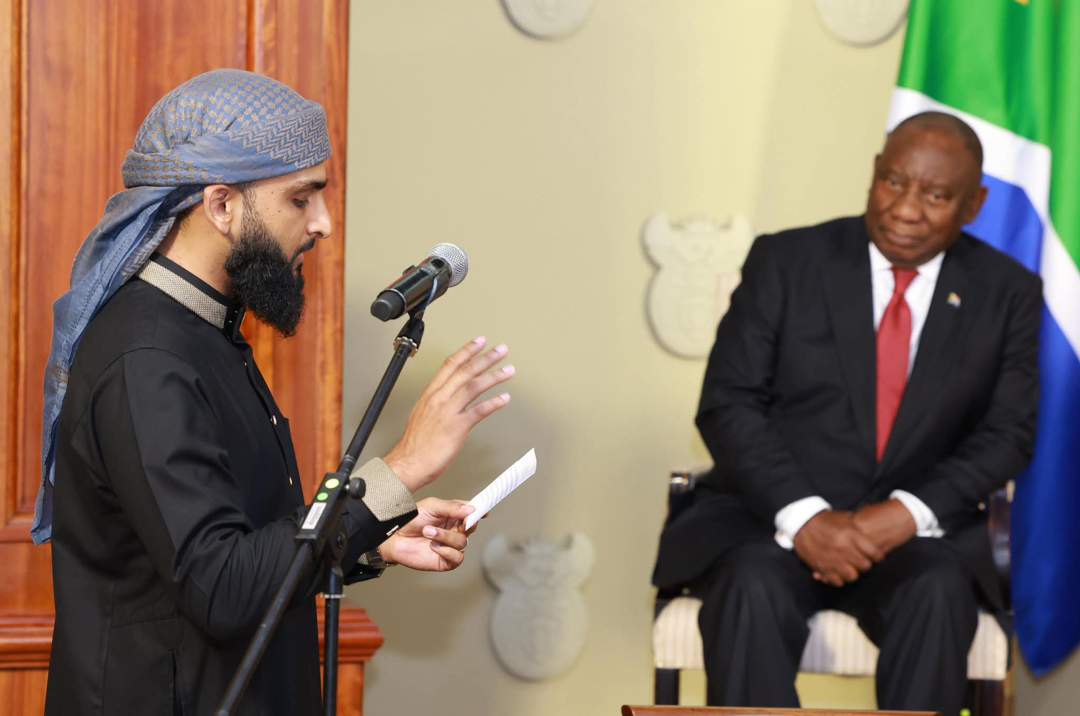
Yusuf Cassim was sworn in as South Africa's Deputy Minister of Higher Education this week, a development that has since drawn criticism described as "xenophobic and Islamophobic." The Democratic Alliance (DA) condemned these attacks, which emerged following Cassim's appointment to the ministerial post. The controversy centers on the nature of the online backlash directed at the new deputy minister. This significant appointment has brought increased scrutiny to the Department of Higher Education and the political landscape. The Democratic Alliance's strong stance shows the seriousness with which the party views the public discourse surrounding Cassim's new role.
New Minister Appointed
Yusuf Cassim was sworn in as South Africa's Deputy Minister of Higher Education this week. The appointment to the ministerial post generated criticism, which the Democratic Alliance (DA) has described as "xenophobic and Islamophobic." The DA condemned these attacks, which emerged following Cassim's new role. The controversy centers on the nature of the online backlash directed at the new deputy minister. This development follows Cassim's recent assumption of duties within the Department of Higher Education, marking a new chapter in his political career. His entrance into the deputy ministerial position has drawn significant public attention and debate across various platforms, noting the often-heated nature of political discourse in the country. The Democratic Alliance specifically noted the "xenophobic and Islamophobic" elements of the criticism in their statement, drawing a clear line against what they perceive as discriminatory remarks. The swearing-in ceremony itself marked a formal induction into his responsibilities, placing him in a key position within the national government.
DA's Strong Condemnation
The Democratic Alliance (DA) unequivocally condemned the attacks targeting Yusuf Cassim, South Africa's new Deputy Minister of Higher Education. The political party characterized the criticism directed at Cassim as both "xenophobic and Islamophobic." A statement released by the DA asserted that these attacks followed Cassim's recent appointment to the ministerial post, indicating a direct correlation between his new role and the subsequent negative reactions. The party's condemnation specifically addressed the nature of the backlash that emerged online in response to the new deputy minister's role, pointing to the digital sphere as the primary arena for these contentious comments. The Democratic Alliance emphasized that the criticism contained elements it considered discriminatory, signaling a deep concern over the underlying motivations behind some of the public comments. This stance marks a strong objection from the DA against the public reaction to the appointment, reinforcing their commitment to combating prejudice. The party's swift and firm response aims to set a precedent against such forms of public criticism, particularly when directed at newly appointed officials.
Allegations of Prejudice
The Democratic Alliance (DA) explicitly characterized the attacks against Deputy Minister Yusuf Cassim as "xenophobic and Islamophobic." The political party issued a statement following Cassim's appointment as Deputy Minister of Higher Education, directly addressing the nature of the public reaction. According to the DA, the criticism directed at Cassim contained discriminatory elements based on his background and faith, suggesting that the objections went beyond mere political disagreement. The party's condemnation specifically noted these two forms of prejudice, indicating a strong objection to the tone and content of the backlash that has circulated. The DA's description points to concerns over the motivations behind some of the public discourse surrounding the new deputy minister's role, raising questions about tolerance and inclusion within public debate. By labeling the attacks in such strong terms, the Democratic Alliance has drawn attention to the potential for prejudice to infiltrate political commentary. This move by the DA serves to defend the integrity of public service appointments against what it views as unwarranted and discriminatory assaults.