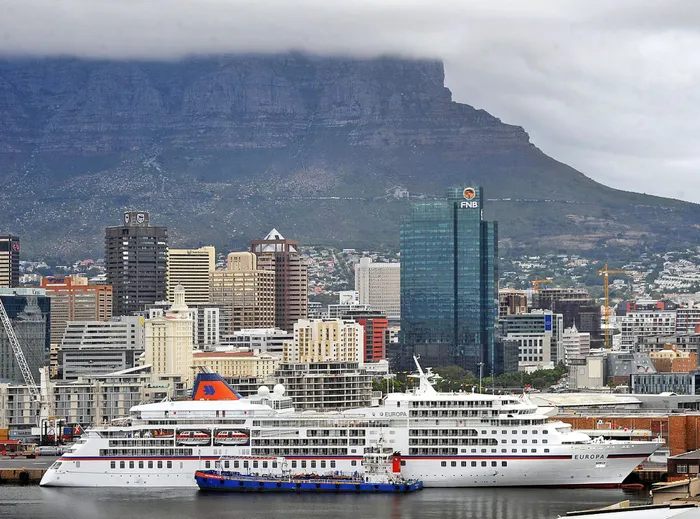
Cape Town’s tourism season is experiencing a significant and welcome extension, with visitor numbers remaining strong well beyond the traditional Easter holidays and into August. This sustained presence of tourists indicates that the city no longer "shuts down" in winter, a significant shift from previous patterns. The tourism season now stretches longer than usual, with visitors still present well after the Easter holidays and continuing their stays up to August. This strategic shift represents a concerted move towards year-round tourism for the entire Western Cape region, with ambitious goals aiming for a 70/30 split between peak and off-peak periods. The prolonged tourist presence is not merely a seasonal anomaly; it actively contributes to sustained economic activity and strong job creation efforts throughout the year, providing stability to the local economy.
Booming Visitor Numbers and Revenue
Tourism in the Western Cape is experiencing significant and sustained growth, showcasing remarkable resilience and appeal. International tourist arrivals have notably increased by 11.1%, reflecting the region's growing global attractiveness. Beyond international visitors, the region also recorded approximately four million domestic overnight trips in 2025, marking a substantial 15.4% rise in local tourism engagement. These domestic visitors, demonstrating strong economic impact, achieved the highest average spend per overnight trip in the country, at an impressive R3,172. This high domestic spend shows the value and quality of experiences offered within the Western Cape, encouraging local exploration and expenditure.
International tourists contributed substantially to the local economy, injecting significant capital into various sectors. Approximately 1.5 million international visitors spent almost R26 billion in the Western Cape during 2025, noting the province's magnetic appeal as a global destination. This impressive figure meant that the province's international tourism revenue in 2025 accounted for a quarter of South Africa’s total international tourism revenue, cementing its position as a primary economic driver for the nation's tourism sector. The United Kingdom and Germany remained the Western Cape’s largest international source markets in 2025, indicating continued strong ties with these traditional and established markets. These consistent visitor flows from key European countries show the enduring appeal of the Western Cape's diverse offerings, from its natural beauty to its cultural heritage.
The Western Cape consistently attracts a substantial portion of national tourism, typically accounting for well over a third of all national international arrivals. This disproportionately high share of international visitors notes the province's status as a premier gateway to South Africa. The province generates nearly half of all international visitor expenditure in the country, demonstrating its capacity to not only attract but also retain and engage high-spending tourists. This strong performance is supported by strong air connectivity, with Cape Town International Airport regularly recording over 2.5 million international passenger volumes, facilitating easy access for global travelers. The consistent flow of passengers through this major hub is a testament to the efficient infrastructure and strategic partnerships that support the region's tourism ambitions. Iconic landmarks contribute significantly to attracting these visitors, serving as global beacons for the region. Attractions such as the V&A Waterfront, Table Mountain, and Kirstenbosch Gardens collectively draw millions of visitors annually, cementing the region's appeal as a premier tourist destination, offering a blend of natural wonders, cultural experiences, and modern amenities. Each of these sites plays a key role in creating memorable experiences that encourage repeat visits and positive word-of-mouth recommendations, further boosting the region's international standing.
Strategic Initiatives Fueling Expansion
Strategic initiatives are actively bolstering Cape Town's extended tourism season, particularly through targeted developments in the maritime and aviation sectors. These efforts are designed to diversify visitor streams and enhance accessibility, ensuring sustained growth. The cruise industry, for instance, exhibits a direct and tangible economic impact, contributing significantly to job creation. Statistics clearly indicate that one job is supported for every 36 cruise passengers, noting the sector's substantial potential for employment generation within the region's burgeoning maritime economy. This direct link between passenger numbers and employment shows the importance of fostering a thriving cruise tourism sector.
Beyond Cape Town, other coastal towns are also seeing significant benefits from the expanding maritime tourism sector. Mossel Bay has already begun landing niche and expedition cruises, successfully diversifying the Western Cape's maritime tourism offerings. This expansion into specialized cruise segments broadens the region's appeal and caters to a wider range of traveler preferences. Concurrently, Saldanha Bay is being strategically positioned for future expansion in the maritime sector, with plans to develop its infrastructure and services to accommodate growing demand. This suggests a broader regional development focus, aiming to distribute the economic benefits of tourism across various coastal communities, thereby creating more widespread opportunities.
In the aviation sphere, critical partnerships are being forged to enhance global connectivity. Wesgro, the official tourism, trade, and investment promotion agency for Cape Town and the Western Cape, signed a key Memorandum of Understanding (MOU) with Emirates at WTM Africa. This significant partnership aims to boost inbound travel from key global markets, including the Middle East, India, and the Far East, directly targeting increased visitor numbers from these strategically important regions. The new Emirates–Wesgro partnership specifically focuses on driving inbound travel by leveraging Emirates' extensive global network, which connects to over 150 destinations worldwide. This collaboration is expected to significantly increase air passenger traffic, making the Western Cape more accessible to travelers from diverse backgrounds and further establishing Cape Town International Airport as a vital gateway.
Air connectivity with South America is set to strengthen, opening up new avenues for tourism and trade. The LATAM Airlines’ São Paulo–Cape Town route is returning, providing a direct link to a significant and growing market. This LATAM São Paulo route is specifically scheduled to recommence in July 2026, re-establishing a key air corridor that will facilitate easier travel for South American tourists. Complementing these efforts, India is strategically positioned as a key growth market, with focused strategies emphasizing sport and various partnerships to attract Indian visitors to the Western Cape. These combined initiatives, encompassing both aviation and targeted market development, aim to ensure sustained growth and a broadened international visitor base for the region, fostering a truly global tourism footprint.
Job Creation and Economic Impact
The Western Cape has effectively shifted to a 70/30 tourism split across the year, marking a decisive and successful move toward year-round travel. This seasonal extension contributes significantly to more consistent economic activity and job creation throughout the province, providing much-needed stability for workers in the tourism sector. The impact of the expanding cruise tourism sector is particularly noteworthy, with cruise tourism expanding beyond Cape Town itself. Mossel Bay, for example, is already landing niche and expedition cruises, which is successfully diversifying the maritime sector's economic benefits across the region and supporting local economies in smaller coastal towns. This expansion ensures that the economic advantages of tourism are not concentrated solely in the metropolitan areas but are distributed more broadly.
The sustained growth in tourism provides a key counterpoint to the national employment challenges faced by South Africa. The national unemployment rate stands at a concerning 32.7%, with youth unemployment even higher at 54.6%. In this challenging context, the tourism sector's ability to create jobs year-round is particularly significant and impactful for the Western Cape, offering vital employment opportunities. The contribution of tourism to employment is substantial and measurable. Over the period from the first quarter of 2015 to the first quarter of 2026, the region experienced an impressive cumulative growth rate of 30.92% in total employment. This consistent job growth is directly linked to the expansion of the tourism season and the strategic initiatives driving visitor numbers year-round, offering more stable and reliable employment opportunities for residents across various skill levels.
This strong employment growth notes tourism's role as a significant economic stabilizer and a driver of social upliftment. The year-round nature of tourism means that jobs are less susceptible to seasonal fluctuations, providing greater income security for individuals and families. From hospitality staff and tour guides to transport operators and local artisans, a diverse range of professions benefits from the extended tourism season. The economic ripple effect extends beyond direct employment, stimulating local businesses, supporting supply chains, and encouraging entrepreneurial ventures within the communities that host tourists. This full impact shows the importance of continued investment and strategic planning in the tourism sector to further leverage its job-creating potential.
Future Outlook and Policy Needs
Tourism growth remains one of the fastest ways to absorb labour at scale, according to full industry analysis, making its continued expansion a priority for economic development and social stability. To sustain this momentum and further enhance the sector's significant contribution to employment, particularly in a country with high unemployment rates, strategic policy adjustments are deemed necessary. Visa reform is identified as an important priority for South Africa, with proponents arguing that streamlined processes could significantly facilitate increased international arrivals. Such reforms are key for supporting the extended tourism season and ensuring continued economic benefits for the region, as easier access for tourists directly translates into higher visitor numbers and greater spending.
Beyond visa reform, continuous investment in infrastructure, sustainable tourism practices, and skills development within the sector will be vital. Enhancing the visitor experience through digital innovation, promoting diverse cultural and adventure tourism offerings, and ensuring the safety and security of tourists are all critical components of a forward-looking strategy. The Western Cape's commitment to achieving a 70/30 year-round tourism split demonstrates a proactive approach to managing seasonality and maximizing economic returns. By maintaining focus on these strategic priorities and addressing policy bottlenecks, the Western Cape can solidify its position as a leading global tourism destination, continuing to drive economic growth and create sustainable employment opportunities for its residents. The collaborative efforts between government, industry stakeholders, and local communities will be essential in navigating future challenges and capitalizing on emerging opportunities to ensure the long-term prosperity of the region's vibrant tourism sector.