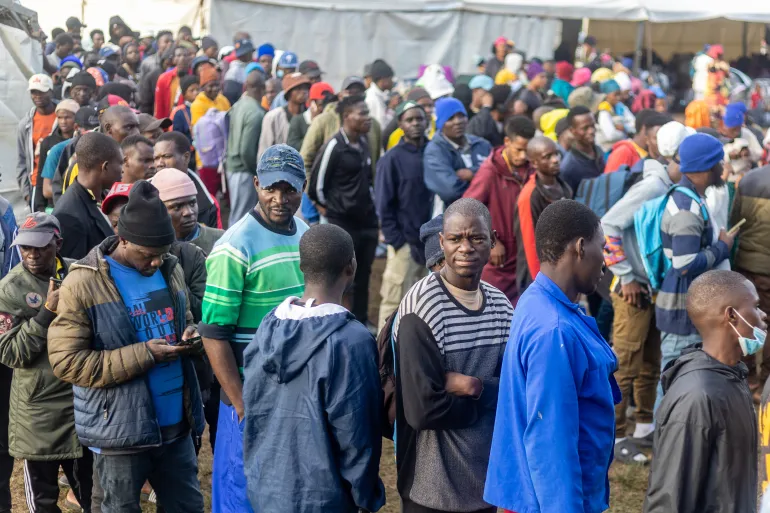
More than 3,000 Malawians, including hundreds of children, are currently residing in an open field in South Africa’s port city of Durban, following a surge in xenophobic violence. This month, Ghana, Zimbabwe, and Mozambique have repatriated hundreds of their citizens from South Africa. These repatriations highlight the growing concerns among neighboring countries regarding the safety of their nationals. A flight carrying the first group of Nigerians is scheduled to depart Johannesburg, amid ongoing efforts by various nations to evacuate their nationals. The large number of individuals seeking refuge and repatriation shows the significant humanitarian impact of the recent unrest.
Escalating Threats and Displacement
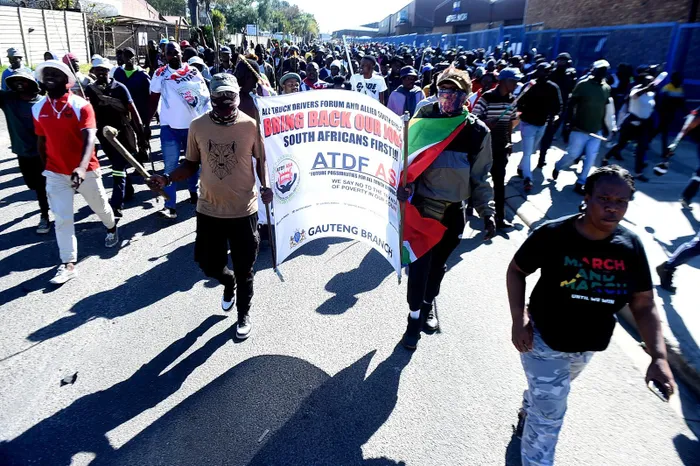
Groups armed with sticks, whips, and shields have marched through parts of South Africa, demanding that foreigners without proper documentation depart by June 30. This ultimatum follows a period of escalating tensions and violence directed at foreign nationals across various provinces. The demands by these groups have created an atmosphere of fear and uncertainty among migrant communities.
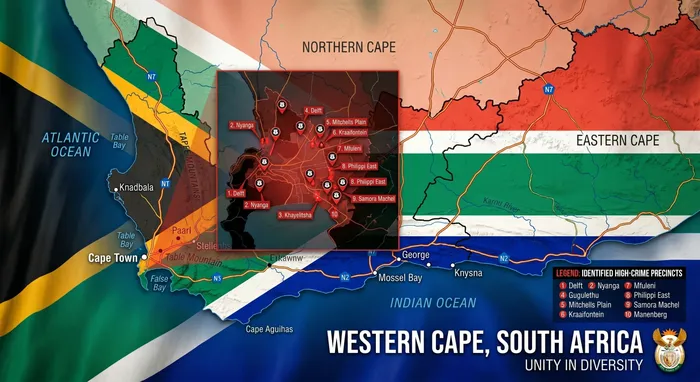
In Mossel Bay, five Mozambicans have been killed, showing the severity of the threats faced by migrants and noting the lethal consequences of the xenophobic attacks. The violence has led to significant displacement, with many seeking refuge in temporary shelters or attempting to return to their home countries. Additionally, approximately 150 migrants from Burundi, Ethiopia, and Zimbabwe are currently sheltering at a government office located near the park in Durban. These individuals have sought protection amidst the ongoing unrest and calls for foreigners to leave the country. Their presence in government-provided shelters reflects the immediate need for safety and humanitarian assistance as the situation unfolds.
Broader Context of Xenophobia
South Africa has experienced recurring waves of xenophobic violence since 2008, affecting foreign nationals residing in the country. These periodic outbreaks of hostility reveal deep-seated social and economic tensions. Official figures indicate that approximately three million foreigners live in South Africa, constituting about five percent of the total population. This demographic includes a significant proportion of individuals from neighboring countries, many of whom have settled in South Africa over many years. More than 63 percent of foreigners in South Africa originate from within the Southern African Development Community (SADC) bloc, reflecting regional migration patterns driven by a variety of factors. These individuals often migrate for economic opportunities, seeking better livelihoods, or to escape political instability and conflict in their home countries. The presence of such a large foreign population has periodically fueled tensions, contributing to the episodes of violence that have prompted the current displacement and repatriation efforts. These historical and demographic factors contribute to the complex social landscape surrounding the recent incidents, making the issue of xenophobia a persistent challenge within the nation. The recurring nature of these events suggests underlying issues that continue to ignite anti-foreigner sentiment.
Voices of Fear and Loss
More than 150 Malawians were bussed out of South Africa's Western Cape province over the weekend, a move that follows increased fears among foreign nationals. This organized departure was a direct response to the escalating threats and the palpable sense of insecurity felt by many. The organized departure occurred amidst a broader context of rising xenophobic tensions in the country, which have made daily life increasingly perilous for non-nationals. The latest flare-up in anti-foreigner sentiment comes as political parties actively campaign ahead of local government elections scheduled for November. This pre-election period has often seen an increase in rhetoric concerning immigration and foreign nationals, with some political figures using anti-immigrant sentiment to garner support. Foreign residents in various South African provinces have expressed heightened concerns for their safety, leading many to seek repatriation or relocation to safer areas within the country. The weekend's busing of Malawians from the Western Cape notes the ongoing efforts by some foreign nationals to leave areas perceived as high-risk, choosing safety over staying in a hostile environment. The accounts from those fleeing speak of profound fear and the painful decision to abandon their lives and livelihoods in South Africa.