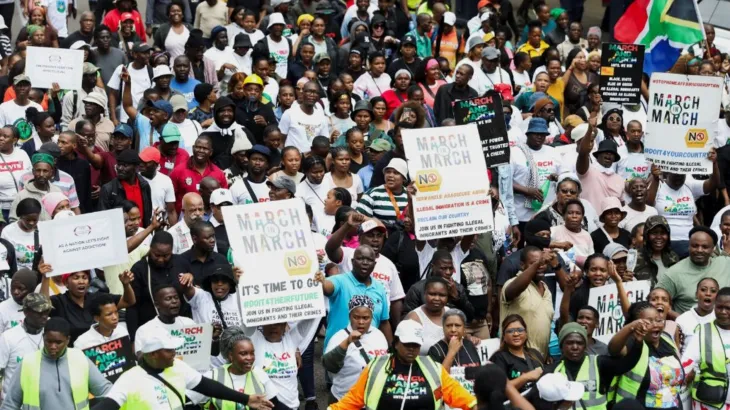
Foreign workers in South Africa are encountering increased violence and protests from anti-immigrant groups. These growing tensions highlight a complex societal issue, as many South Africans contend that the government is not adequately enforcing its existing immigration laws. The situation has intensified calls for stricter adherence to national policies and a re-evaluation of the role of foreign labor within the country.
Waves of Anti-Immigrant Violence
South Africa has experienced recurrent waves of anti-immigrant violence over the past decade, creating an atmosphere of fear and uncertainty for many non-national residents. This violence is often directed at other African nationals, reflecting a specific demographic target within the broader immigrant community. These incidents have drawn international attention and raised concerns about human rights and social cohesion within the nation. The cyclical nature of these attacks suggests deep-seated grievances and a persistent challenge for authorities in maintaining peace and order. Each wave of violence further exacerbates the divide between local populations and foreign workers, making integration more difficult and fostering a climate of distrust.
Historical Context of Migration
Since the end of apartheid in 1994, South Africa has become a primary destination for thousands of workers migrating from neighboring countries. This influx has significantly reshaped the country's demographic and economic landscape over nearly three decades. The movement of people into South Africa reflects its economic standing as a regional hub, attracting individuals seeking employment and opportunities not readily available in their home nations. For many, South Africa represented a beacon of hope and prosperity, offering a chance at a better life. This historical context is key for understanding the current dynamics, as the initial welcome has gradually given way to more complex challenges and resentments, particularly in areas of high unemployment.
Government Enforcement Concerns
Anti-immigrant groups in South Africa are demanding that foreign workers depart the country by June 30. This ultimatum comes amid ongoing pressure for stricter enforcement of immigration policies. The groups assert that foreign workers are responsible for job scarcity and other economic challenges, advocating for their removal to prioritize South African citizens. This demand notes the growing tensions and calls for government intervention regarding the presence of non-national laborers within the country's borders. These groups often cite the perceived failure of the government to manage immigration effectively as a primary driver of their actions. They argue that a more strong enforcement of existing laws would alleviate economic pressures on South African citizens and restore order to the labor market. The June 30 deadline has added a layer of urgency to the debate, pushing the issue further into the national spotlight and demanding a response from authorities.
Broader Societal Questions
The broader societal debate in South Africa now includes questions regarding the country's continued reliance on foreign workers. Discussions are taking place concerning the necessity of foreign labor amidst rising unemployment rates among South African citizens. This line of questioning reflects a growing sentiment that the country's economic circumstances might necessitate a re-evaluation of its immigration policies. The inquiry examines whether foreign workers continue to be essential to key sectors or if local labor can fill these roles. This critical self-assessment by the nation aims to balance economic needs with the aspirations of its own citizens, particularly in a period of economic strain. The debate touches upon various sectors, from informal trade to skilled labor, scrutinizing where foreign workers are concentrated and whether their roles could be assumed by the domestic workforce. This full discussion shows the complexity of managing migration in a developing economy facing significant internal challenges.