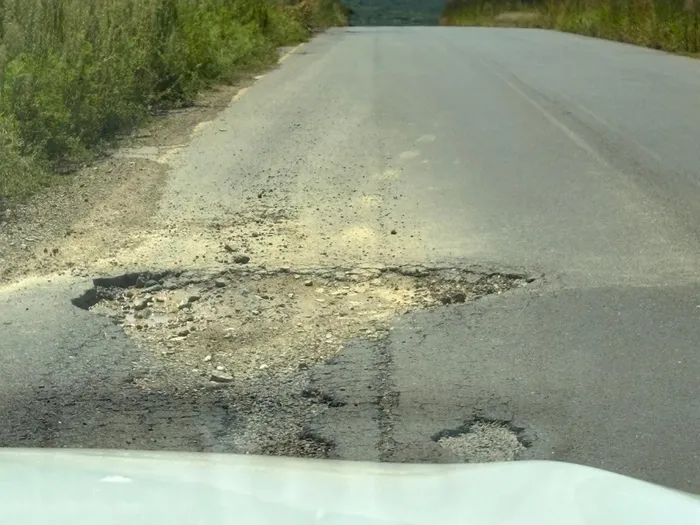
CityMender, a South African infrastructure monitoring application, has registered over 4,860 service delivery and infrastructure complaints across the country since the beginning of the year. This substantial volume of reports shows the pressing infrastructure challenges faced by communities nationwide. The data reveals a significant public concern regarding the state of local infrastructure, with citizens actively using digital platforms to voice their grievances and seek resolutions. Potholes have emerged as the most frequently reported issue, indicating a widespread challenge for municipalities in maintaining road networks and ensuring safe travel conditions.
The sheer number of complaints notes the daily frustrations experienced by residents due to deteriorating public services. The application's full database provides a granular view of these issues, offering valuable insights into the specific areas and types of infrastructure failures that are most prevalent. This detailed reporting mechanism allows for a more targeted approach to infrastructure management and repair by local authorities. The consistent reporting of potholes, specifically, points to systemic issues in road maintenance, often exacerbated by factors such as heavy traffic, adverse weather conditions, and insufficient public works budgets.
According to CityMender's findings, electricity outages and streetlight faults collectively represent the third most reported complaint category within the application's database. This notes ongoing issues with power supply stability and municipal lighting maintenance, affecting various communities across South Africa. The frequency of these reports suggests that unreliable electricity services and poorly maintained streetlights are significant concerns for residents, impacting daily life, safety, and economic activity. The app's data provides insight into the daily infrastructure challenges faced by residents, painting a clear picture of the areas requiring urgent attention from local government. These power-related complaints often point to aging infrastructure, insufficient maintenance, and the need for significant investment in upgrading electrical grids.
App Usage and Resolution Rates
Potholes and road-related defects constitute the largest category of complaints submitted through the CityMender platform. This consistent identification of road issues as the primary concern shows the critical need for improved road infrastructure across South Africa. These issues frequently highlight public concerns regarding road conditions across various municipalities, ranging from minor surface damage to major structural failures that can pose significant risks to motorists and pedestrians. The platform's ability to aggregate these reports provides a powerful tool for understanding the scope and scale of road maintenance backlogs.
Water leaks and other water-related infrastructure faults constitute the second most frequently reported complaint category on the CityMender platform. This notes the ongoing challenges associated with water infrastructure maintenance across South Africa, impacting resource management and public service delivery. The platform’s data indicates these issues are a consistent concern for residents, ranking directly after potholes in terms of reported frequency. These reports often detail burst pipes, leaking hydrants, and other failures within the water supply network, leading to significant water loss and service disruptions. The identification of water leaks as a major issue shows the dual challenge of aging infrastructure and the critical need for water conservation in a water-scarce country.
CityMender data indicates that approximately 2,400 of the 4,860 reports logged this year have been resolved or closed as fixed by local authorities. This resolution rate reflects the responsiveness of some municipalities to the reported infrastructure concerns, demonstrating that citizen engagement through the app can lead to tangible improvements. The CityMender platform has a resolution rate of roughly 50%, meaning that approximately half of all complaints submitted through the system are addressed by the relevant authorities. This figure, while indicating progress, also points to a significant portion of complaints that may remain unresolved, noting areas where municipal responsiveness needs to be strengthened. The 50% resolution rate provides a benchmark for evaluating the effectiveness of local government in addressing public infrastructure needs.
The application is scheduled to expand its operations into Namibia with an official launch set for June 1. This move marks CityMender's first entry into a market outside South Africa, extending its infrastructure monitoring services to a new country. The expansion is a significant step for the platform, demonstrating its potential to address similar infrastructure challenges in other Southern African nations.
Regional Hotspots and Trends
KwaZulu-Natal province, particularly the eThekwini Municipality, has emerged as one of CityMender's most active regions for complaint submissions. The app's data indicates consistent engagement from residents in this area regarding infrastructure issues, suggesting a high level of public awareness and a proactive approach to reporting problems. This strong regional activity makes eThekwini a key area for analysis regarding infrastructure trends and municipal response times. Elsewhere, steady usage of the CityMender application has been observed in Cape Town, reflecting ongoing citizen reporting in the Western Cape's largest city. The consistent engagement from Capetonians notes a sustained effort by residents to contribute to the upkeep and monitoring of their urban environment.
A notable surge in CityMender app usage in recent weeks has been recorded in Nelson Mandela Bay, suggesting a growing reliance on the platform in that metropolitan area. This increase in reporting could indicate heightened awareness of the app, a period of increased infrastructure issues, or both. These regional trends highlight varying levels of community participation and infrastructure challenges across South Africa's different municipalities, providing a rich dataset for understanding localized service delivery dynamics. The diverse usage patterns across these regions offer valuable insights into how different communities interact with and benefit from infrastructure monitoring tools.
Among the specific incidents reported, a major water leak in Durban reportedly remained active for nearly a month, drawing attention to prolonged infrastructure failures. This particular incident showed concerns about water conservation and municipal response times, illustrating the significant impact of delayed repairs. During the period the Durban water leak was active, an estimated total of close to 290,000 litres of water had been lost. The substantial volume of lost water from this single event illustrates the potential impact of unresolved infrastructure problems, not only in terms of service delivery but also in terms of wasted natural resources and financial implications for municipalities. This incident serves as a stark reminder of the urgent need for proactive maintenance and rapid response mechanisms to prevent such substantial losses.
Future Outlook and Impact
Water leaks and other water-related infrastructure faults constitute the second most frequently reported complaint category on the CityMender platform. This notes the ongoing challenges associated with water infrastructure maintenance across South Africa, impacting resource management and public service delivery. The platform’s data indicates these issues are a consistent concern for residents, ranking directly after potholes in terms of reported frequency. The prevalence of these reports emphasizes the critical need for investment in upgrading and maintaining water supply networks to ensure reliable access to this essential resource and to mitigate water losses.
CityMender reports a resolution rate of approximately 50% for complaints logged through its system. This figure suggests that about half of all reported infrastructure issues are addressed or fixed by local authorities after being submitted via the application. The resolution rate reflects the varying levels of responsiveness from municipalities to citizen-reported problems, indicating that while many issues are tackled, a significant portion still awaits attention. This metric is key for assessing the effectiveness of the platform as a bridge between citizens and service providers.
The application’s expansion into Namibia will be facilitated by a partnership with Future Tech Computers, a Namibian technology company. This collaboration marks CityMender's first venture outside South Africa, extending its infrastructure monitoring services to a new country and leveraging local expertise for its operational rollout. The partnership aims to replicate CityMender's model in the Namibian market, adapting it to local conditions while maintaining its core functionality of empowering citizens to report infrastructure issues. This strategic alliance with a local partner is expected to ensure a smooth integration and widespread adoption of the CityMender platform in Namibia. The success of this expansion could pave the way for further regional growth, demonstrating the scalability and relevance of citizen-led infrastructure monitoring across the continent.