Street vendors in the Johannesburg CBD have stated they will not operate on Tuesday, June 30, due to fears of looting and unrest during planned protests. These concerns have led some street vendors in the Johannesburg CBD to announce their intention to cease operations for the day, specifically during protests over calls for undocumented foreign nationals to leave the country. This demand has sparked widespread discussion and apprehension among various communities, particularly those reliant on daily commerce. Despite these concerns, IMC chairperson and Minister of Human Settlements Mmamoloko Kubayi declared June 30 a normal day for the country, urging citizens to proceed with their daily activities. Her statement aimed to reassure the public and encourage a sense of normalcy, despite the looming demonstrations.
Protestors' Demands and Concerns
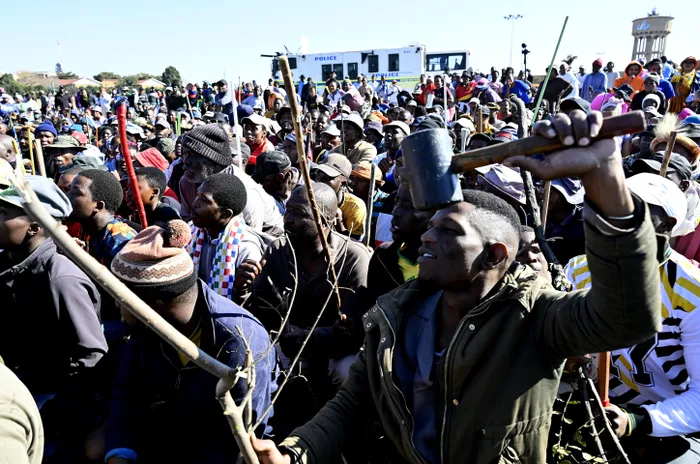
Protests organized by March and March, alongside over 20 civil society organizations, are anticipated nationwide. These demonstrations advocate for undocumented foreign nationals to depart South Africa. The group behind these protests has explicitly called for undocumented foreign nationals to leave the country by the June 30 deadline, intensifying the atmosphere of uncertainty and fueling public debate. Protesters assert that undocumented migrants occupy jobs that would otherwise go to South Africans, strain healthcare services and educational institutions, and do not contribute to the national economy through taxation. These arguments form the core of their grievances and demands, noting perceived negative impacts on the country's resources and job market.
Many migrants traveled to South Africa with the aim of securing improved opportunities, often fleeing difficult circumstances in their home countries. This pursuit of a better life has, however, brought them into conflict with groups advocating for stricter immigration enforcement and the prioritization of South African citizens in employment and public services. The planned demonstrations highlight the deep divisions and complex socio-economic issues surrounding migration in the country, bringing to the forefront tensions between migrant communities and segments of the local population. These underlying issues contribute to the volatile environment surrounding the June 30 protests.
Vendors' Fears and Decisions
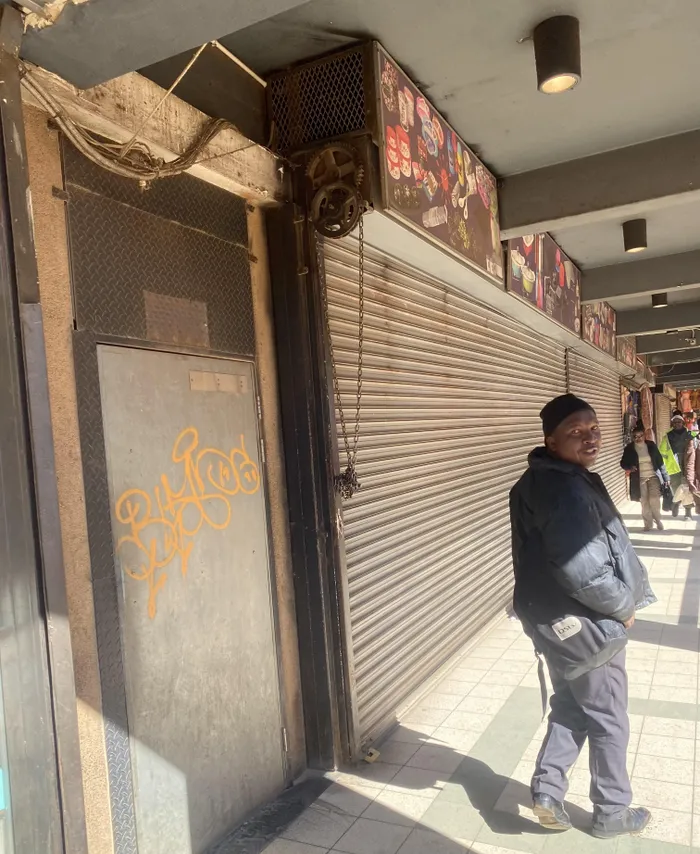
A street vendor selling snacks and drinks near the Bree Taxi Rank reported slow business as she arrived at her selling point at 6am on Monday. The woman, who is from Zimbabwe, expressed fear for her safety, stating that she is in the country illegally and does not possess the necessary permits to sell. Her concerns are amplified by the potential for unrest, which could exacerbate her already precarious situation, leaving her vulnerable to both economic loss and personal danger. She has operated near the taxi rank since 2018, relying on her daily sales for her livelihood and supporting herself through informal trade. The prospect of violence or looting directly threatens her ability to earn an income and ensure her personal security, making the decision to operate on June 30 a significant risk.
Another street vendor, also from Zimbabwe, who sells clothing items, confirmed she would not be selling on Tuesday. She indicated that on a good day she typically earns about R500, but is currently not achieving that amount, reflecting the broader economic challenges faced by informal traders. The decision to close shop, even for a single day, represents a significant financial loss for these vendors, showing the severity of their fears and the direct economic impact of potential unrest. The organizations planning the demonstrations last week pledged that their protests would remain peaceful and would not result in violence, looting, or loss of life. These assurances were widely communicated, aiming to mitigate public anxiety and maintain order. However, these reassurances have done little to quell the anxieties of vulnerable street vendors who have witnessed past instances of unrest. The memory of previous incidents of civil disturbance and the associated economic fallout weighs heavily on their minds as June 30 approaches, leading many to prioritize safety over potential earnings.
Official Response and Security
Taxis were operating normally at the Bree Taxi Rank in Johannesburg on Monday, ahead of the planned protests. This observation provided a momentary sense of normalcy amidst the growing tension, as the taxi industry is a critical component of daily life and commerce in the city. Security measures have been escalated in some areas of the city, with police actively monitoring the developing situation. Police and metro police officers were observed patrolling the city's streets to uphold law and order in the days leading up to the demonstrations. These visible patrols are intended to deter potential troublemakers and reassure residents and businesses that authorities are prepared to maintain peace.
Authorities have reallocated R600 million, originally designated for police stations and community policing initiatives, towards security operations specifically for the planned protests. This significant financial commitment shows the seriousness with which the government is treating the potential for disruption, recognizing the need for strong security measures. The R600 million will be used to bolster police presence, acquire necessary equipment, and fund other operational needs to ensure public safety and maintain order during the demonstrations. This reallocation of funds reflects a strategic decision to prioritize immediate security concerns over other long-term policing projects. In light of the impending demonstrations, Acting National Police Commissioner Lt-Gen Puleng Dimpane appealed to the taxi industry. Lt-Gen Dimpane urged the industry to ensure that business operations proceed as usual on June 30, recognizing the vital role taxis play in the city's public transport system and overall economic activity. Her appeal noted the authorities' desire to minimize the impact of the protests on daily life and the economy, while simultaneously preparing for any eventualities and ensuring that essential services remain operational. The call for normalcy from high-ranking officials indicates a concerted effort to manage public expectations and prevent widespread panic.