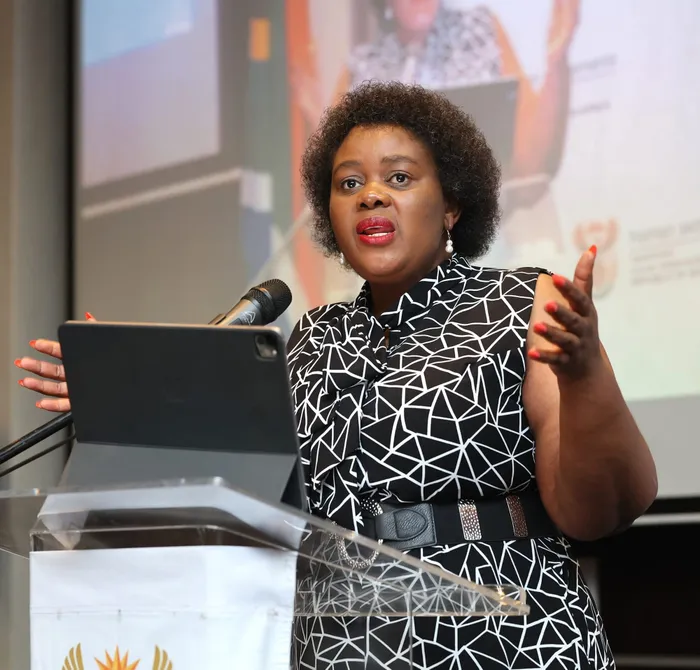
The Department of Justice and Constitutional Development spent R76,178,462 on foreign language interpreting services in criminal proceedings across South African courts over the past year. Justice and Constitutional Development Minister Mmamoloko Kubayi revealed this information this week, noting the significant financial outlay required to ensure fair legal processes for non-South African language speakers. Minister Kubayi stated that while interpreting services in courts by in-house interpreters incur no additional cost, the R76,178,462 expenditure specifically covers external foreign language interpretation. This substantial sum shows the operational demands on the justice system. She also addressed data limitations regarding foreign nationals, noting, "The NPA does not keep electronic record of the number of foreign nationals that were granted bail and subsequently failed to appear in court." Consequently, Minister Kubayi added, "The NPA is therefore unable to provide the requested information," pointing to challenges in tracking certain aspects of foreign national involvement in the justice system.
Interpreting Costs Detailed
The Department of Justice and Constitutional Development allocated precisely R76,178,462 for interpreting services for non-official languages in criminal proceedings between April 2024 and March 2025. This detailed figure provides a clear picture of the financial commitment. Shona emerged as the language incurring the highest total expenditure nationally, amounting to R8.7 million. This expenditure notes the significant demand for interpreters in specific non-official languages across various regions of South Africa. The need for Shona interpreters alone represents a substantial portion of the overall budget for foreign language services, indicating a prevalent requirement within the court system.
Five provinces reported Shona as their primary cost driver for interpretation services. These provinces include the Free State, Gauteng, Northern Cape, North West, and Limpopo. The consistent high cost associated with Shona across these diverse geographical areas indicates a significant presence of Shona-speaking individuals requiring assistance within the South African justice system. This widespread demand across multiple provinces shows the demographic reality and the department's efforts to ensure linguistic access to justice. The financial outlay shows the operational demands placed on the department to ensure fair legal processes for those who do not speak South Africa's official languages, thereby upholding the principles of a just legal system.
Foreign National Cases Surge
South African courts recorded nearly 40,000 new cases involving foreign nationals who were criminally charged in various courts during the 2024/25 period. This figure reflects the overall caseload requiring judicial processing within the country's legal system. This substantial number points to a significant interface between foreign nationals and the criminal justice system. The data indicates a substantial demand for resources related to cases involving non-South African citizens, from investigations to court proceedings.
The National Prosecuting Authority (NPA) specifically recorded 1,074 new cases involving foreign nationals within the regional courts during the same timeframe. These regional court cases represent a portion of the broader judicial activity concerning foreign nationals, often dealing with more serious offenses. The processing of over a thousand new cases in regional courts alone demonstrates the ongoing legal engagements involving foreign nationals at this level.
In addition to the regional court figures, the National Prosecuting Authority (NPA) documented 37,967 foreign nationals in the district courts for the 2024/25 period. The significant number of individuals processed through the district court system shows the extent of foreign national involvement in criminal proceedings at this level, which typically handles less serious crimes. The combined figures from both regional and district courts highlight the substantial volume of cases that necessitate legal action and potentially require foreign language interpreting services, directly linking back to the expenditure on interpretation.
Data Gaps and Related Issues
The National Prosecuting Authority (NPA) does not maintain electronic records regarding foreign nationals granted bail who subsequently failed to appear in court, according to Justice and Constitutional Development Minister Mmamoloko Kubayi. Minister Kubayi stated, "The NPA does not keep electronic record of the number of foreign nationals that were granted bail and subsequently failed to appear in court." This data gap affects the tracking of such cases, making it challenging to assess the extent of non-compliance with bail conditions among foreign nationals. This lack of electronic record-keeping presents an administrative hurdle for full analysis and policy formulation.
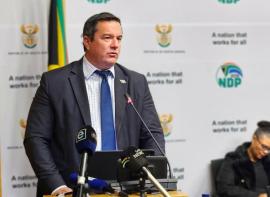
Separately, Home Affairs Minister Leon Schreiber reported that 6,279 inspections were conducted at workplaces during the past financial year. These inspections are key for ensuring compliance with immigration and labor laws. Over the last five years, a total of 8,180 employers faced charges for hiring foreign nationals without valid work permits, indicating a persistent issue of irregular employment practices. This notes the ongoing efforts by the Department of Home Affairs to regulate foreign employment and address illegal immigration. South Africa currently lacks enabling domestic legislation to regulate and facilitate the transfer of sentenced foreign offenders, posing challenges for international cooperation in correctional matters. In the previous financial year, a significant number, 109,735 illegal foreigners, were arrested and deported, demonstrating the government's active measures to manage undocumented individuals within its borders.