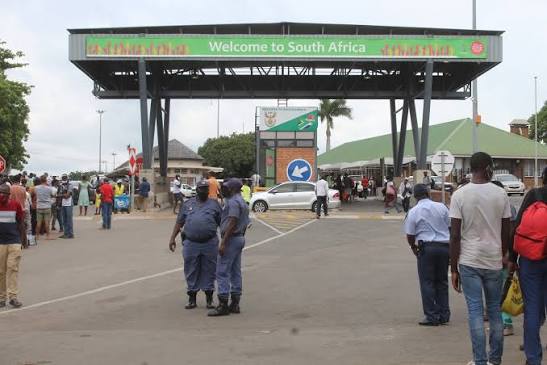
Mozambicans are increasingly seeking transport to South Africa from key hubs in Maputo, despite ongoing xenophobia, as international transporters observe a rise in passenger movement. At the Baixa and Junta international bus terminals, transport associations are dispatching up to five 15-seater passenger vehicles daily to destinations across the border. International transporters operating from both the Junta terminal and Maputo City's Baixa area report a relative movement of passengers expressing a strong desire to return to South Africa. This movement reflects a steady demand for cross-border travel for work, driven by economic necessity.
Reasons for Return
Rosa Nhamue, a beauty salon owner in Johannesburg, returned to Mozambique on July 30, the ultimatum deadline set by leaders of the March and March movement for undocumented foreigners. She stated, "Yes, I am going back to South Africa, because here in Mozambique there is no work, there is nothing." Nhamue added that in her area, "there are no protests, they are only marching." Her observation provides a nuanced perspective on the situation on the ground in South Africa, distinguishing between organized marches and more disruptive protests. Jonas Fumo confirmed that transport dispatch has returned to normal, with "3 to 5 vehicles per day. Ten days ago, we couldn’t even dispatch one or two vehicles." This significant increase in daily dispatches shows the renewed confidence among travellers and transporters alike. Fenias Mafumo received assurances from friends in South Africa that the situation has normalized, despite ongoing marches. Mafumo noted, "You can enter South Africa. Xenophobia has seen a truce, it is not like in past days, although every Thursday there are marches, and that frightens people." He emphasized, "we are used to making a living in South Africa. In Mozambique there is no work, so we will see in South Africa."
Situation on the Ground
Rosa Nhamue, a beauty salon owner, is boarding transport back to South Africa just twenty days after her return to Mozambique. Nhamue stated, "Yes, I am going back to South Africa, because here in Mozambique there is no work, there is nothing." She previously returned to Mozambique on July 30, the ultimatum deadline set by leaders of the March and March movement for undocumented foreigners. Nhamue affirmed that in her area of South Africa, "in our area there are no protests, they are only marching." Her decision to return notes the persistent economic pressures faced by Mozambicans, despite the underlying tensions of xenophobia. The continued movement of individuals like Nhamue shows the challenging economic conditions in Mozambique that drive the need for cross-border work. The relative calm reported by individuals on the ground, despite the weekly marches, appears to be a key factor in people's willingness to return.
Personal Accounts and Motivations
Fenias Mafumo is returning to South Africa to manage his business activities, reiterating a common sentiment among Mozambicans. Mafumo observed that authorities now allow entry into South Africa, noting, "You can enter South Africa. Xenophobia has seen a truce, it is not like in past days, although every Thursday there are marches, and that fright frightens people." He further emphasized the economic imperative driving his decision, stating, "we are used to making a living in South Africa. In Mozambique there is no work, so we will see in South Africa." His return notes the ongoing reliance on South Africa for economic opportunities despite persistent xenophobic tensions. The economic disparities between the two nations continue to act as a powerful magnet for Mozambican workers seeking livelihoods. In recent days, Mozambique has also functioned as a transit corridor for other African citizens who are returning to their respective countries of origin, showing its regional role in cross-border movements and the broader context of migration in Southern Africa. This transit function further illustrates Mozambique's position within the regional migration landscape.