Orania, a whites-only Afrikaner enclave located in South Africa's Northern Cape province, was founded in 1991. This unique settlement, established with the aim of preserving Afrikaner culture and self-determination, has grown steadily since its inception. The town, which is a whites-only Afrikaner enclave, currently counts just over 3,000 residents, forming a self-governing community that operates its own services and economy. Orania represents a unique social experiment within post-apartheid South Africa, attracting individuals seeking a specific cultural environment. Its founding principles focus on Afrikaner identity and the maintenance of its unique heritage, a vision that has guided its development for over three decades.
A New Home for Youth
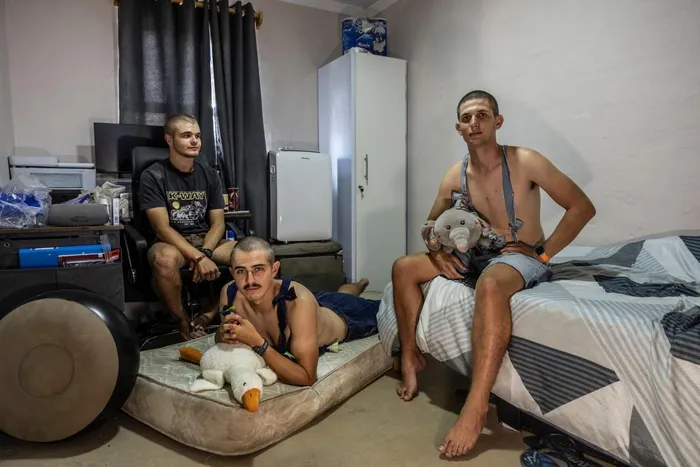
More young people from South Africa's white minority are reportedly moving to Orania, a town situated in the Northern Cape province. This trend notes a significant demographic shift within the community. The town, established as a private initiative, aims to preserve Afrikaner culture and self-determination, offering a distinct lifestyle to its inhabitants. Orania's geographical isolation is notable, with the nearest large town, Hopetown, located 40 kilometres (25 miles) away. This distance contributes to the enclave's sense of self-containment and distinct identity, fostering an environment where residents can focus on their cultural objectives without immediate external influence. The deliberate choice of its remote location in the Northern Cape province further shows the community's commitment to creating a distinct and self-reliant space for its residents.
The community's residents represent a small segment of South Africa's broader Afrikaner population. In 2022, the Afrikaner population was estimated at approximately 2.6 million people within a total South African population of 62 million. Orania's inhabitants, numbering just over 3,000, therefore constitute a fraction of this larger demographic. Orania operates with its own municipal services and economic structures, distinct from surrounding areas. This includes its own currency, the Ora, and a variety of local businesses that contribute to its self-sufficiency. The town emphasizes self-sufficiency and the maintenance of a specific cultural environment for its inhabitants, an appeal that resonates with those seeking to uphold Afrikaner traditions and language. The influx of younger residents suggests that this vision is finding renewed relevance among the new generation, indicating a sustained commitment to the community's founding principles among a younger demographic. This demographic trend is key for the long-term viability and cultural continuity of the enclave.
The College as a Magnet
A training college was launched in Orania in 2019, contributing significantly to the town's appeal for younger residents. The institution currently enrolls 250 students, providing educational opportunities within the community. This college serves as part of Orania's strategy to attract and retain a youthful population within the community, offering vocational training and academic programs specifically tailored to the community's needs and values. The college is also planning for a significant expansion in its student body, with an aim to accommodate 800 students within the next four years. This projected growth indicates the college's key role in the future development and demographic shifts within Orania, further solidifying its position as a magnet for young Afrikaners. The expansion plans show the community's commitment to fostering education and skill development locally, reinforcing its self-sustaining model and providing pathways for young people to build their lives within Orania. The establishment of such an institution within the enclave aligns with the broader goal of creating a self-sufficient and culturally distinct community.
Culture, Identity, and Future
Orania celebrates its 35th anniversary this year, marking a significant milestone for the community. The town's establishment in 1991 followed the abolition of racial laws in South Africa, a period that prompted its founders to seek a new model for Afrikaner cultural preservation. The abolition of these laws led directly to the establishment of Orania, as its founders sought to create a space where Afrikaner identity could be maintained and developed outside the framework of a racially integrated society. Orania’s leaders assert that the community is protected under South Africa's constitution, which guarantees the right to self-determination for cultural and linguistic groups. This constitutional provision is central to the town's operational framework, allowing it to maintain its distinct identity and governance structures. The right to self-determination, enshrined in the constitution, is seen as the legal bedrock upon which Orania's existence and future development rest, providing a legitimate basis for its unique social and political arrangement within the broader South African context. The community continues to emphasize its cultural mission as it looks towards future development and growth, aiming to provide a secure and culturally rich environment for its residents for generations to come. The ongoing appeal to young people, supported by initiatives like the college, suggests a strong future for this unique Afrikaner enclave.