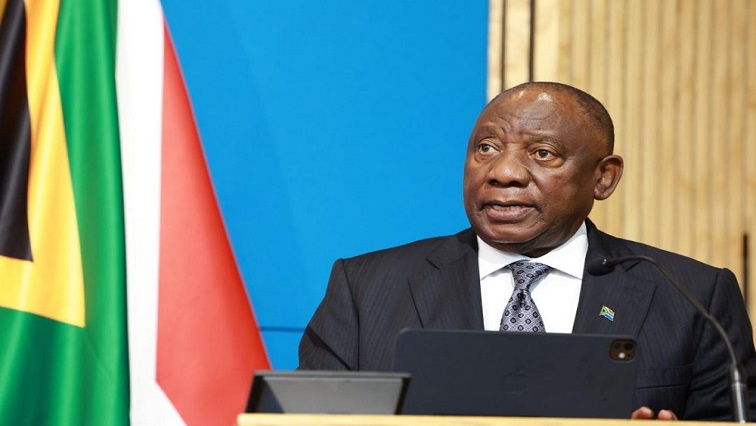
President Cyril Ramaphosa has appealed to South Africans to recommit to ending poverty and inequality around the world ahead of Nelson Mandela International Day, which will be commemorated this Saturday. Ramaphosa emphasized that achieving this goal requires transforming the rules and institutions governing global finances. The President noted ongoing domestic efforts, stating, "At the same time, we are continuing to improve our social protection system and helping people build livelihoods, gain skills and find work through our public and social employment programme." He stressed the necessity of international cooperation, adding, "No nation can overcome inequality alone; we need coordinated multilateral action, rooted in solidarity and shared responsibility." Ramaphosa’s call shows the belief that addressing these systemic issues demands a concerted, global approach, moving beyond national borders to tackle the root causes of economic disparities and social injustice.
Mandela Day's Purpose
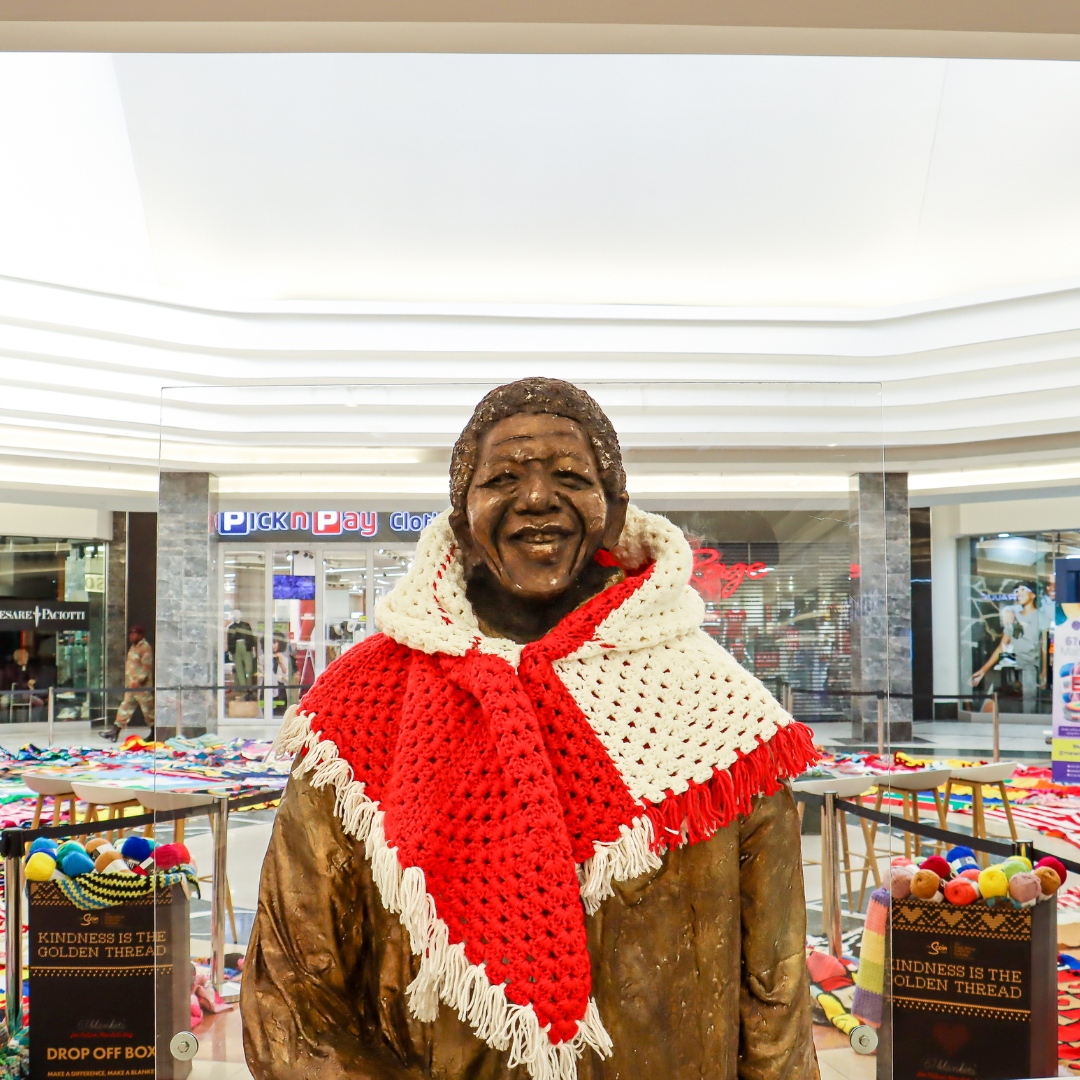
The United Nations officially declared July 18 as Nelson Mandela International Day in 2009. This annual observance serves to inspire a global day of action, encouraging individuals worldwide to honor the legacy of Nelson Mandela. Participants engage in acts of service and advocacy aimed at combating poverty, inequality, and injustice. The day seeks to embody Mandela's lifelong commitment to social justice and human rights by fostering collective efforts to address some of the world's most pressing challenges. It reflects a global call to action, urging people to make a positive impact in their communities and beyond, in line with Mandela's principles. The declaration of Nelson Mandela International Day by the United Nations in 2009 solidified its status as a significant global event, dedicated to inspiring individuals to contribute to positive change. The spirit of the day encourages people from all walks of life to dedicate their time and effort to initiatives that reflect Mandela's values, such as community development, education, and healthcare access. This global day of action is designed to be a tangible expression of solidarity and a continuous reminder of the power of collective effort in the pursuit of a more equitable world.
Systemic Global Change
South Africa’s government, during its G20 presidency last year, centered inequality at the forefront of the global agenda. This initiative showed the nation's commitment to addressing disparities on an international scale. Looking forward, there is an emphasis on fulfilling and strengthening commitments made to those disproportionately affected by the impacts of climate change. These pledges aim to provide critical support to communities bearing the heaviest environmental burdens globally, ensuring that climate justice is an integral part of the broader fight against inequality. The G20 presidency provided a key platform for South Africa to advocate for these issues, bringing the urgent need for global financial reform and climate action to the attention of major world economies.
To further these efforts, an International Panel on Inequality is set to monitor global inequality. The panel will be tasked with assessing the underlying causes and consequences of these disparities, with a view to recommending specific policies designed to reverse current trends. This body aims to provide a dedicated, ongoing analysis of the factors contributing to global inequality, ensuring that policy recommendations are informed by full research and data. The establishment of such a panel signifies a long-term commitment to understanding and mitigating global economic divides, providing a structured approach to addressing a complex challenge that impacts billions worldwide.
National Action and Policy
To address poverty and inequality, President Cyril Ramaphosa stated that national laws and policies must be formulated to safeguard workers while fostering a regulatory climate conducive to investment. South Africa, he noted, is actively enhancing its social protection system and supporting citizens in developing livelihoods, acquiring skills, and securing employment through its public and social employment programme. Ramaphosa emphasized that the acts of service scheduled for this Saturday are integral to the broader effort of establishing strong institutions, stimulating investment, and reforming existing systems and policies. He noted that this includes designing laws and policies that protect workers' rights and promote fair labor practices, simultaneously creating an environment that encourages both domestic and foreign investment. This dual approach aims to ensure that economic growth is inclusive and directly benefits the most vulnerable segments of society, contributing to a more just and equitable national landscape.
Call for Solidarity
President Cyril Ramaphosa stated that addressing poverty and inequality involves advocating for changes in how global institutions respond to poorer nations. Following last year's G20 global inequality report, South Africa is collaborating with other countries and institutions to establish an International Panel on Inequality. This panel aims to monitor global inequality and recommend policies to reverse current trends. Ramaphosa’s appeal for international solidarity extends to ensuring that commitments made to nations bearing the heaviest burden of climate change are not only honored but also strengthened. He stressed that tackling global poverty and inequality requires a fundamental shift in the operational frameworks of international financial bodies and development agencies, ensuring they are more responsive and equitable in their engagement with developing economies. This concerted push for reform reflects a commitment to fostering a global economic system that supports sustainable development and reduces disparities worldwide.