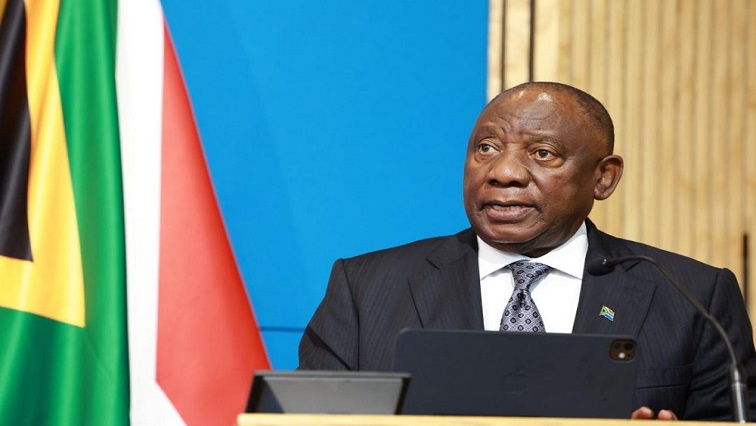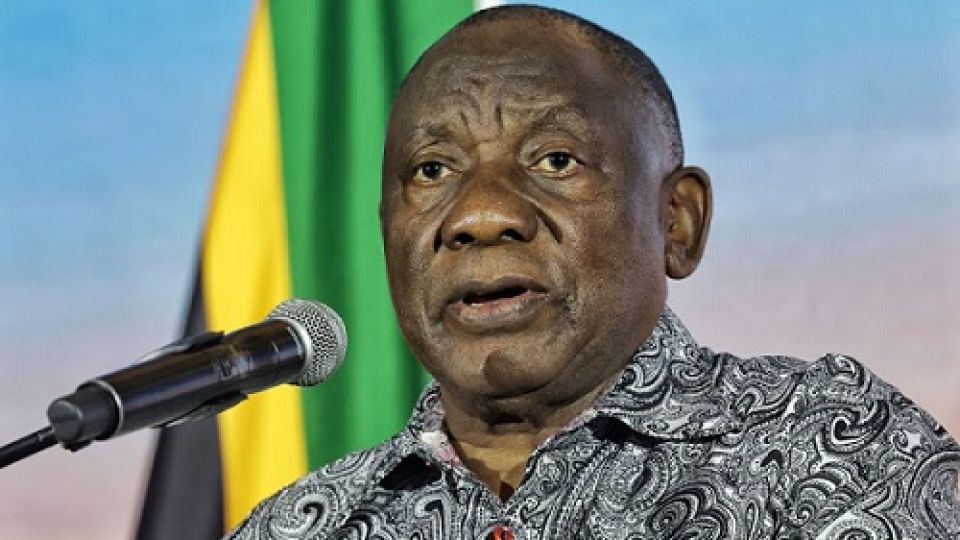
President Cyril Ramaphosa has urged South Africans to commit to sustained action against poverty and inequality ahead of Mandela Day, which falls on Saturday. The annual observance honors the legacy of Nelson Mandela, focusing on community service and social justice initiatives. Ramaphosa's call emphasizes a need for ongoing efforts beyond the designated day, stressing that addressing socio-economic disparities requires continuous engagement from all sectors of society. His message shows the foundational principles of nation-building championed by Nelson Mandela in South Africa, noting that the fight against poverty and inequality is a continuous endeavor that extends far beyond a single day of service.
Mandela Day Call to Service
President Cyril Ramaphosa urged South Africans to dedicate 67 minutes to community service, mirroring Nelson Mandela's 67 years of public service. Ramaphosa stated, "This year, we ask every South African to heed that call." He encouraged individuals to perform acts such as feeding the hungry, comforting the lonely, or supporting the elderly, and to offer skills and time to community organizations. The President emphasized a broader commitment beyond the symbolic gesture, adding, "On this Mandela Day, let us also recommit ourselves to the difficult task of ending poverty and inequality in our country and in our world." Ramaphosa stressed the necessity of collective action, saying, "No nation can overcome inequality alone; we need coordinated multilateral action, rooted in solidarity and shared responsibility." He also noted Nelson Mandela's philosophy, noting, "Madiba taught us that building a just, caring and inclusive society is not the work of governments alone. It is the work of ordinary people performing extraordinary acts of compassion, courage and service." This call to action serves as a reminder that every individual has a role to play in fostering a more equitable society, aligning with Mandela's vision of collective responsibility.
Addressing Poverty and Inequality
President Cyril Ramaphosa stated that Nelson Mandela regarded the struggle against poverty not merely as an act of charity, but fundamentally as an issue of justice. Ramaphosa affirmed that the government plans to reinforce social protection programmes while simultaneously generating opportunities for employment and sustainable livelihoods. He emphasized that these efforts are critical for addressing socio-economic disparities and ensuring that all citizens have access to basic necessities and pathways to economic stability.
Ramaphosa further explained that sustainable economic growth, strong worker protection, and the establishment of an investment-friendly regulatory environment are essential components for effectively reducing poverty and narrowing the existing inequality gaps. These measures, he indicated, are central to the nation's strategy for achieving a more equitable society. The government's commitment extends to creating an environment where businesses can thrive, thereby creating jobs, and ensuring that workers' rights are protected, contributing to a more just distribution of wealth and opportunity.
Global and Domestic Efforts
Domestically, the South African government will continue its investment in education, healthcare, and skills development. These efforts are part of a broader strategy to address socio-economic disparities within the country, aiming to empower individuals and communities. These investments are seen as foundational to breaking cycles of poverty and ensuring long-term societal progress. Providing quality education and healthcare, alongside developing relevant skills, is key for fostering a productive workforce and improving the overall well-being of the population.
On the international stage, South Africa placed the issue of inequality high on the agenda during its G20 Presidency. The nation actively advocated for global attention and coordinated action on this front, recognizing that inequality is a global challenge requiring collective solutions. South Africa is currently collaborating with various global partners to establish an International Panel on Inequality. This initiative aims to foster a collective approach to understanding and combating worldwide economic disparities, seeking to develop full strategies and policy recommendations to address this widespread issue on a global scale.