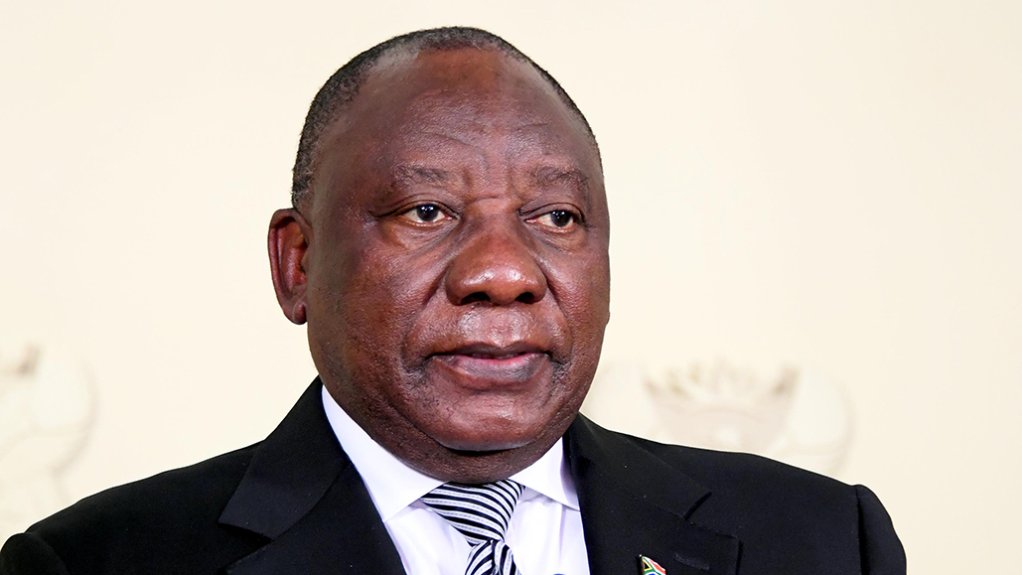
President Cyril Ramaphosa stated on Tuesday that the Judicial Commission of Inquiry into Criminality and Political Interference within South Africa's Criminal Justice System must conduct its work thoroughly and without any interference. Ramaphosa emphasized that the commission's integrity was critical to restoring public trust. He acknowledged challenges within the South African Police Service (SAPS) but defended the majority of its members, stating, "For every incompetent or corrupt SAPS member, there are many thousands more who are not." The President added that public confidence in institutions like SAPS is not automatic, asserting, "Confidence cannot be demanded. It must be earned."
Unwavering Judicial Inquiry
The Judicial Commission of Inquiry into Criminality and Political Interference within South Africa's Criminal Justice System is being led by Judge Mbuyiseli Madlanga. President Cyril Ramaphosa previously emphasized the necessity of an unfettered inquiry, stating that its integrity was key for rebuilding public trust and ensuring that justice is served. Ramaphosa asserted that the commission must proceed thoroughly and entirely without interference to maintain its credibility and achieve its objectives. The President also acknowledged existing challenges within the South African Police Service (SAPS). He defended the majority of SAPS members, noting that "For every incompetent or corrupt SAPS member, there are many thousands more who are not." Ramaphosa stressed that public confidence in institutions such as SAPS must be earned, asserting, "Confidence cannot be demanded. It must be earned." This sentiment shows the government's commitment to transparency and accountability within the justice system.
Defending the Police Service
President Cyril Ramaphosa defended the vast majority of the South African Police Service (SAPS) members. His remarks came amidst ongoing discussions about integrity within the criminal justice system and the vital role SAPS plays in maintaining law and order. The South African Police Service currently comprises more than 180,000 members and an additional 3,000 reservists, a significant force dedicated to public safety. Ramaphosa's defense of the police force shows the government's stance on the institution's overall composition despite acknowledging internal challenges. He noted the dedication of the majority of officers who serve with integrity, often under difficult circumstances, working to protect communities across the nation.
Strengthening Recruitment and Merit
The South African Police Service (SAPS) is actively increasing its personnel through Project 11 000, a strategic initiative designed to bolster the force's operational capacity. As part of this project, a new intake of 5,500 constables is scheduled to begin training at academies imminently. This initiative aims to significantly enhance the police force's numbers and presence in communities. Alongside the expansion, SAPS has implemented rigorous reforms to its recruitment process. The updated selection procedure now mandates psychometric and integrity testing to be conducted during the very first phase of candidate evaluation. This change is designed to enhance the quality and suitability of new recruits entering the police service, ensuring that only individuals with the highest ethical standards and psychological fitness are brought into the force. These measures are critical for building a more effective and trustworthy police service.
Earning Public Confidence
Future recruitment, promotions, and senior appointments within the South African Police Service will be strictly anchored on merit, competence, and integrity, completely barring political interference or criminal elements. This reform aims to address public skepticism and rebuild trust in law enforcement agencies. Such measures are key given findings from recent surveys. A 2025/2026 governance, public safety, and justice survey published by Statistics South Africa noted a concerning trend where many crime victims choose not to report incidents because they believe the police will not take action. By prioritizing merit and integrity, the government hopes to foster a police service that is not only effective but also perceived as responsive and reliable by the communities it serves. This commitment to reform is seen as essential for encouraging greater public cooperation and improving overall safety and justice outcomes in South Africa.