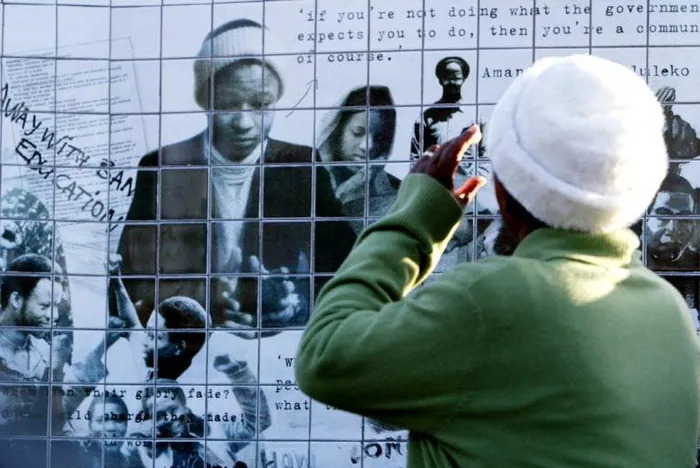
South Africa is marking the 50th anniversary of the Soweto Uprising, which took place on June 16, 1976. This key historical event, where thousands of students protested against the apartheid regime, serves as a powerful backdrop to contemporary challenges faced by young people in the country. The bravery and collective action demonstrated during the Soweto Uprising continue to inspire discussions about the potential for youth-led change. Currently, youth unemployment in South Africa exceeds 60% for individuals aged 15–24, specifically standing at 62.4% for this demographic. This severe economic strain is a significant factor in discussions surrounding the potential for renewed youth activism and the forms it might take in the 21st century. The stark contrast between the historical fight for freedom and the present-day economic struggles notes the complex landscape young South Africans navigate.
Echoes of 1976, Present-Day Challenges
Apartheid statutes were removed from the books 32 years ago, marking a significant shift in South Africa's political landscape and ushering in an era of democratic governance. Despite this profound historical change and the promise of a more equitable society, the United Nations' World Youth Report indicates that young people across Africa are among the most economically marginalised globally. This persistent economic challenge contributes to ongoing discourse regarding youth engagement and activism in the region. The legacy of historical injustices, combined with contemporary economic pressures, creates a unique environment for youth development and participation. Understanding these intertwined factors is key for fostering meaningful engagement among the continent's largest demographic group.
The Digital Frontier for Engagement
A 2024 study examining African elections revealed that individuals in the 18–25 age bracket demonstrated less motivation to vote compared to any other age group. This finding suggests a potential disconnect between traditional political engagement and the continent's youngest citizens, who are often seen as digital natives. The study's insights highlight a challenge for political mobilization efforts targeting youth, who represent a significant demographic across Africa. This trend is particularly relevant in South Africa, where discussions around youth activism often reference historical movements like the Soweto Uprising, which was characterized by direct, physical mobilization. Understanding the factors contributing to this reduced motivation is key for initiatives aiming to foster greater youth participation, especially as digital platforms become increasingly central to communication and organization. The shift in engagement methods from street protests to online discourse presents both opportunities and challenges for activating a new generation.
Bridging the Gap to Participation
The economic challenges facing young South Africans are stark, with youth unemployment reaching 62.4% for individuals aged 15–24. This figure shows significant barriers to entry into the workforce for the youngest demographic, limiting their economic independence and future prospects. For those slightly older, in the 25–34 age bracket, unemployment stands at 40.4%, indicating that economic integration remains a persistent issue even as young people mature and gain experience. These statistics contribute to a broader discussion regarding the conditions under which youth activism might re-emerge or adapt in contemporary South Africa, particularly as economic disenfranchisement often fuels calls for change and social justice. The lack of economic opportunity can lead to feelings of disillusionment, potentially impacting their willingness to engage in traditional political processes. Addressing these employment gaps is frequently cited as a critical step towards fostering greater youth participation in societal development and harnessing their potential for positive change.
Call to Action for a New Generation
The African Union’s Agenda 2063 specifically identifies youth as the "drivers of transformation" for the continent. This designation emphasizes the critical role young people are expected to play in achieving the continent's long-term development goals, envisioning a prosperous and integrated Africa. The agenda notes the potential for youth to innovate and lead societal changes, recognizing their energy, creativity, and adaptability as essential assets for future progress. This strategic vision shows the importance of investing in youth development, education, and economic opportunities to empower them to fulfill this transformative role. By fostering an environment where young people can thrive, South Africa and the wider African continent can tap into a powerful force for sustainable development and social progress.