An "invisible committee" lacking legislative mandate, official minutes, published reports, or constitutional authority is described as the most powerful committee in South Africa. This powerful, yet unacknowledged, entity operates entirely outside the established frameworks of governance, raising significant questions about the true sources of political authority and legitimacy within the nation. This committee, identified as the 'Committee of Public Perception', has reportedly become the primary institution determining legitimacy within South African politics. Its influence is so widespread that it shapes the political landscape in ways that formal bodies cannot. Public perception functions as an unofficial branch of governance, establishing legitimacy even before constitutional processes are fully completed, thereby pre-empting the very mechanisms designed to ensure fair and evidence-based outcomes. This phenomenon shows a profound shift in how political standing is achieved and maintained in the contemporary South African context.
The Erosion of Institutional Trust
Democracies fundamentally depend on a shared belief in the independence of their institutions to investigate matters and conclude based on evidence. This foundational trust is critical for the proper functioning of any democratic system, ensuring that decisions are seen as impartial and just. When this belief in institutional independence weakens, processes become vulnerable to suspicion, and their outcomes are often rejected by the public. This erosion of trust creates a fertile ground for skepticism, where the motivations behind institutional actions are constantly questioned. The deeper crisis facing democratic governance, according to observers, may be the deterioration of public trust, which prevents constitutional institutions from speaking for themselves and asserting their authority. This decline in public confidence means that institutions must now survive a trial by the court of public perception, where narrative and assumptions are frequently more influential than factual evidence. The implications are broad: if committees are presumed compromised and investigations are seen as politically motivated, the pursuit of accountability and truth becomes impossible, undermining the very pillars of a just society.
Perception Over Process
The invisible committee described as dictating South African legitimacy routinely reaches conclusions before evidence is tested, witnesses are heard, or findings are published. This pre-emptive judgment bypasses the rigorous procedures designed to establish truth and fairness, substituting them with immediate, often unsubstantiated, public sentiment. Historically, legitimacy in the nation emerged from established processes, where due diligence, legal frameworks, and evidence-based inquiries were critical. However, today, it increasingly emerges from public perception, a shift that prioritizes popular opinion over structured institutional review. South African politics previously revolved around institutions, with their established roles and mandates guiding political discourse and decision-making. Yet, political personalities now increasingly shape the interpretation of these institutions, often through their public pronouncements and the narratives they cultivate. The Committee of Public Perception operates without a chairperson, lacks defined terms of reference, and possesses no constitutional mandate, making it an entirely informal yet immensely powerful entity. Its verdicts are delivered within the collective mind of the nation rather than through official reports, reflecting a diffuse and often unquantifiable form of judgment that nonetheless holds significant sway. This committee's influence notes a departure from traditional governance, where formal structures and documented procedures once held undisputed sway.
The Malema Factor and Public Verdicts
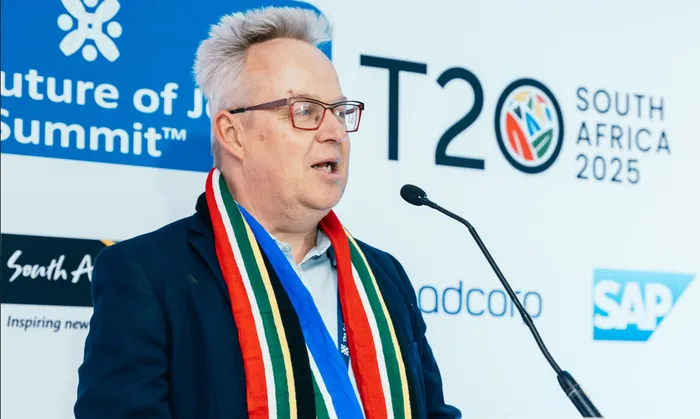
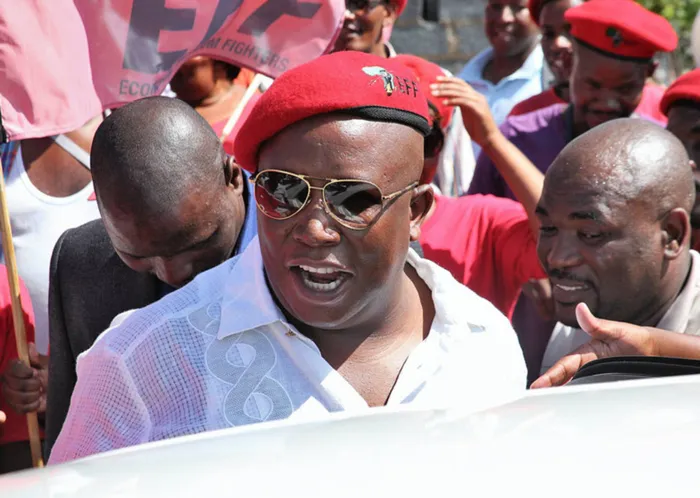
The implied implication of Julius Malema has become politically significant, influencing how major political developments are evaluated in South Africa. This influence is not necessarily tied to direct actions but rather to the perception of his role and potential impact. Nyaniso Qwesha stated that Malema's presence within the national political imagination has grown so substantial that many South Africans instinctively evaluate major political developments through the question of how they may affect him, benefit him, threaten him, or align with his broader political objectives. This reflexive assessment shows the depth of his perceived influence on the political landscape. Qwesha added that this is not due to evidence of direct involvement in any particular committee process, but rather the political significance derived from his public perception. Malema's image and the narratives surrounding him have become a lens through which political events are interpreted, often overshadowing the factual details or official statements. This phenomenon exemplifies how individual personalities, through the 'Committee of Public Perception', can exert an unofficial yet profound influence on political legitimacy and public understanding.
The current debate surrounding political legitimacy is considered critical because society increasingly trusts its suspicions more than its established institutions. This trend suggests a fundamental shift in how the public processes information and forms conclusions about governance and political figures like Malema, often prior to official findings or evidence. The implications of this shift are profound, as it challenges the very foundations of democratic accountability and the rule of law. When public sentiment, rather than verifiable facts and institutional processes, becomes the arbiter of truth and legitimacy, the risk of misinformed judgments and the erosion of trust in formal systems becomes acute. This dynamic creates a challenging environment for governance, where the pursuit of truth and justice must contend with the powerful, often unyielding, force of public perception.