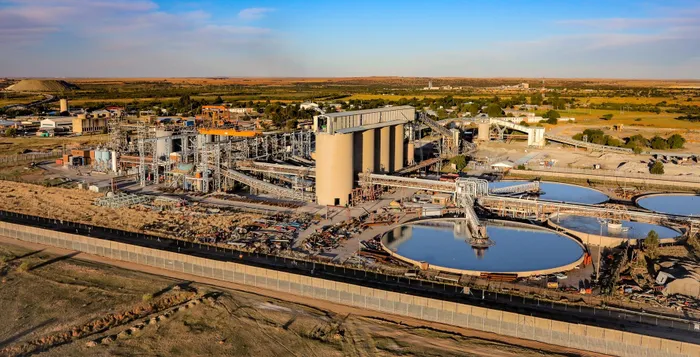
Sibanye-Stillwater is strategically focusing its South African gold operations on three long-standing legacy mine assets: Kloof, Beatrix, and Driefontein. These operations are not merely existing assets but are considered key components of the company's long-term strategy within the South African gold sector. The Kloof and Driefontein mines are geographically situated in close proximity to Randfontein, a historically significant mining area, while the Beatrix mine is located in the Free State province, near the towns of Welkom and Virginia. This deliberate and strategic emphasis on its existing gold assets forms an integral part of a broader re-evaluation of its entire portfolio in the region, aiming to optimize performance and sustainability. The company views these three specific assets—Kloof, Beatrix, and Driefontein—as foundational to its ongoing presence and future potential in South Africa's gold mining landscape.
Legacy Assets Under Pressure
Sibanye-Stillwater's three South African gold assets—Kloof, Beatrix, and Driefontein—have demonstrated significant historical productivity, collectively producing an impressive 12.2 million ounces (Moz) since 2013. This substantial output has translated into considerable financial success for the company, generating earnings of R19.5 billion over the same period. Despite their long operational histories and past contributions, these operations still retain a notable amount of gold in the ground, with current estimates indicating 3.3 Moz of reserves across the three mines.
However, the future operational viability of these mines presents a varied picture, as indicated by their differing life-of-mine (LoM) projections. The Driefontein mine, for instance, holds reserves that support an estimated LoM of 11 years, suggesting a relatively strong future. In contrast, the Beatrix mine has a projected LoM of 6 years, indicating a shorter but still significant operational horizon. The Kloof mine faces the most immediate challenges, with its LoM currently estimated at a mere 1 year, noting the urgent need for strategic decisions regarding its future. This disparity in LoM projections shows the complex operational landscape Sibanye-Stillwater navigates with its legacy assets.
Compounding these operational challenges, the company has also seen a substantial increase in its all-in-sustaining costs (AISC) for these specific operations. The AISC, a full measure of mining expenses, rose significantly from approximately R800,000 per kilogram in 2021 to nearly R1.9 million per kilogram by the end of 2025. This sharp escalation in costs directly impacts the profitability and economic viability of these mines, placing additional pressure on the company's South African gold portfolio. The rising AISC figures reflect a combination of factors, including deeper mining, increased operational complexities, and inflationary pressures, all of which contribute to the challenging environment for these legacy assets.
The Driefontein operation is notable for its extreme depths, extending an impressive 3,300 meters below the surface. Mining at such depths presents significant engineering, safety, and logistical challenges, contributing to the higher operational costs. Kloof has a particularly long and rich operational history, having been in continuous production since the 1960s. This extended period of activity speaks to its historical significance but also implies the depletion of shallower, more accessible ore bodies. Beatrix, which began operations in the late 1970s, is described as a conventional, shallow to intermediate mine. While not as deep as Driefontein, its workings still reach considerable depths, specifically 1,350 meters below the surface, requiring specialized mining techniques and infrastructure. These operational characteristics, alongside the varying LoM and rising AISC, paint a detailed picture of the complex environment in which Sibanye-Stillwater's legacy gold mines operate.
Strategic Shift to New Ventures
In response to the evolving dynamics of its legacy assets and the broader market, Sibanye-Stillwater is actively directing its South African gold operations towards a higher-margin, shallower gold mining business model. This strategic transition is primarily being realized through its significant investments in the DRDGOLD and Burnstone projects. These new ventures represent a deliberate pivot towards operations that offer more favorable economic profiles and potentially longer, more stable operational futures.
Central to this strategic shift is Sibanye-Stillwater's substantial 50.1% stake in DRDGOLD, an investment that currently carries a projected life-of-mine (LoM) of 22 years. This extended LoM offers a significant degree of long-term stability and cash flow potential, aligning with the company's objectives for sustainable growth. Similarly, the Burnstone project, another key component of this new strategy, is expected to have an even longer LoM of 25 years. Both DRDGOLD and Burnstone are designed to capitalize on shallower, more accessible gold deposits, which inherently leads to lower operational costs and higher margins compared to the deep-level mining characteristic of some legacy assets.
Another key component of this strategic shift towards a more sustainable and profitable gold portfolio is the Cooke operation. Cooke functions as a specialized surface retreatment operation, specifically designed to process historic Randfontein tailings. This innovative approach allows the company to extract gold from previously mined waste material, representing a cost-effective and environmentally conscious method of production. The Cooke operation boasts an estimated LoM of 25 years, further solidifying the long-term outlook of Sibanye-Stillwater's new generation of gold assets. The focus on surface retreatment and shallower deposits across these projects exemplifies the company's commitment to transitioning its gold business towards more economically viable and less capital-intensive mining methods.
Sibanye-Stillwater initially acquired its controlling 50.1% stake in DRDGOLD in 2018. The acquisition cost for this significant holding was R1.1 billion at the time, representing a strategic investment in the future of its South African gold operations. Since that initial investment, the value of Sibanye-Stillwater's 50.1% stake in DRDGOLD has increased considerably, reflecting the success and growth of the venture. This stake is now valued at a substantial R16 billion, indicating a remarkable appreciation in asset value. This investment has also yielded significant financial returns for the company in the form of regular cash dividends. To date, Sibanye-Stillwater has received R2.1 billion in cash dividends from its DRDGOLD holding, showcasing the immediate and ongoing financial benefits of this strategic acquisition. This successful investment shows the company's foresight in identifying and capitalizing on opportunities within the gold sector that align with its long-term strategic objectives.
Market Context and Future Outlook
The group's South African operations, which encompass its vital platinum mining interests in addition to its gold assets, remain the core earnings and value driver for Sibanye-Stillwater. This shows the critical importance of the South African portfolio to the company's overall financial health and strategic direction. The company's strategic focus in the region is not developed in isolation but is informed by broader market trends and shifts impacting precious metals globally, particularly gold.
In a significant shift observed in the global financial landscape, gold surpassed US treasury bonds to become the largest central bank reserve asset in 2025. This key change reflected a notable increase in gold's share of central bank reserves, rising from 20% to 27% over the year ending June 2026. This trend indicates a growing preference among central banks worldwide for gold as a reliable and stable store of value, especially in times of economic uncertainty or geopolitical shifts. This institutional embrace of gold provides a strong underlying demand dynamic for the precious metal, potentially buffering prices and supporting mining operations.
Despite this strong institutional shift towards gold, global Exchange Traded Fund (ETF) holdings in gold have shown a different trajectory, indicating varied investment behaviors among different market participants. ETF holdings were recorded at 3.6 million ounces, marking a decrease of 3.5% since their peak earlier in February. This divergence notes that while central banks are actively increasing their gold reserves, private and institutional investors utilizing ETFs have shown a slight reduction in their exposure. This might be attributed to various factors, including short-term market sentiment, alternative investment opportunities, or profit-taking after previous price rallies. Understanding these contrasting trends is key for Sibanye-Stillwater as it navigates the complex global gold market and positions its operations for future success. The interplay between central bank accumulation and ETF movements provides a nuanced picture of gold's role in the global financial system, directly influencing the commodity's price stability and the profitability of gold mining operations.