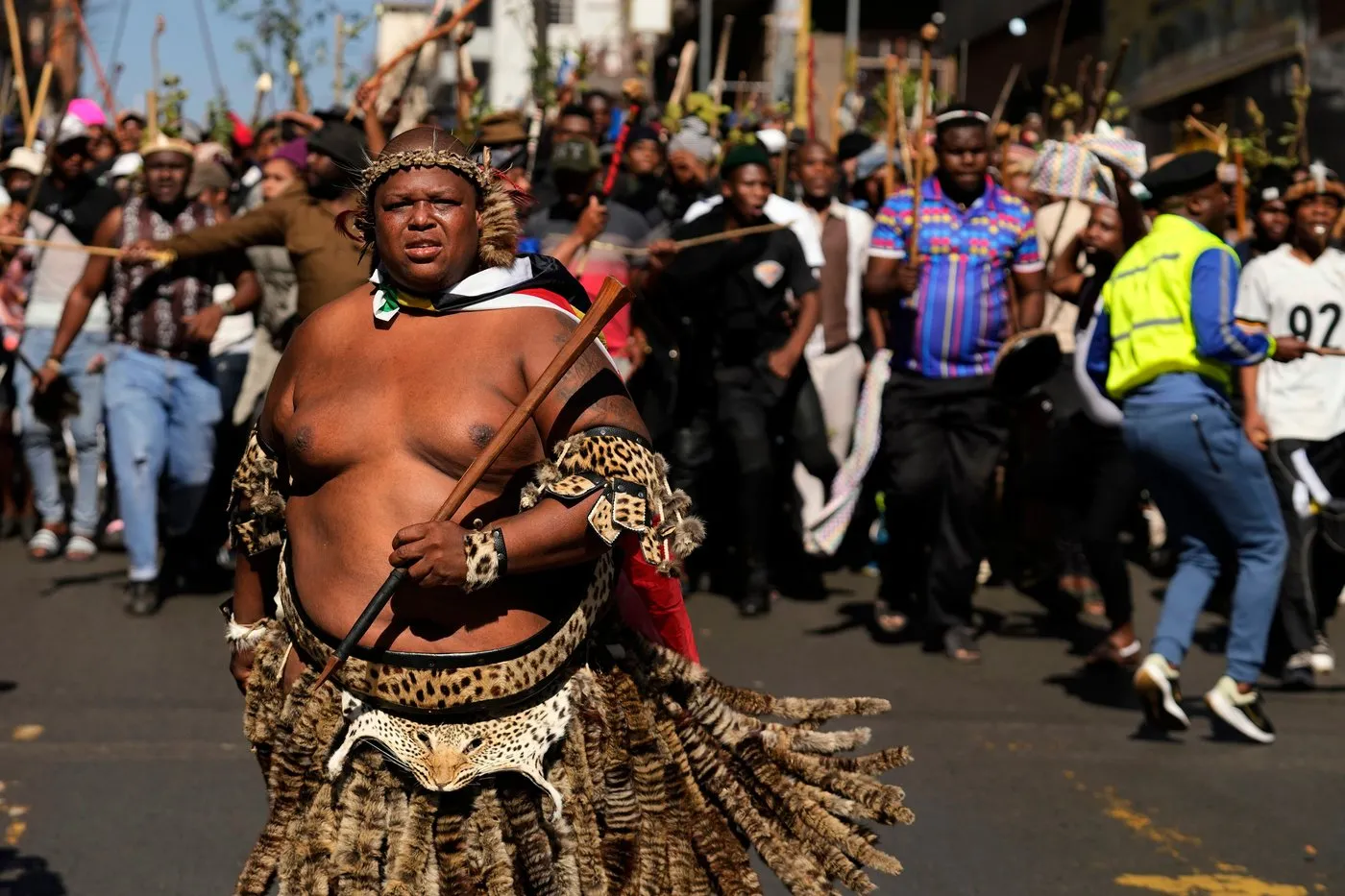
South Africa has deported or repatriated more than 53,000 African immigrants within the past month, amid increasing pressure from anti-migrant groups. The deportations occurred as several organizations intensified their calls for undocumented foreign nationals to leave the country, asserting that their presence places undue strain on national resources and job markets. A major protest was held by these anti-migrant groups on June 30, which they had previously declared as a deadline for undocumented immigrants to depart from South Africa. This significant number of deportations and repatriations marks an escalation in the country's efforts to address immigration and control its borders. The recent actions highlight a hardening stance from authorities in response to public sentiment and organized anti-immigrant campaigns.
Scale of Repatriations
The vast majority of those deported or repatriated were from neighboring countries. More than 80% of the immigrants sent home were from Malawi, reflecting a significant focus on this demographic. Immigrants from Malawi, Zimbabwe, and Mozambique made up the majority of the migrants deported or repatriated, illustrating the primary origins of the undocumented population targeted by the recent crackdown. Beyond these three nations, the repatriations also included citizens of other African nations, such as Nigeria, Uganda, and Kenya, indicating a broader scope to the enforcement efforts. The total figure of over 53,000 represents a substantial increase in immigration enforcement activity compared to previous periods.
Enforcement and Violence
In connection with the recent crackdown, South African police have arrested 350 individuals. These arrests were made for various offenses, including public violence, intimidation, and the unauthorized immigration checks that have occurred during the recent period of heightened tensions. These unauthorized checks, often conducted by anti-migrant groups, have contributed to a climate of fear among foreign nationals.
Authorities are also actively investigating the deaths of at least three migrants, identifying two as being from Mozambique and one from Malawi. These investigations aim to determine the precise circumstances surrounding their deaths and whether they are linked to the ongoing anti-migrant activities or enforcement operations. The South African police are committed to ensuring that justice is served and that any unlawful acts are prosecuted.
Nigeria has stated that two of its citizens were killed during anti-immigrant protests in South Africa. This claim has introduced a point of contention between the two nations, as South African authorities have denied that these deaths were directly linked to the protests. The discrepancy in these accounts shows the complexity and sensitivity of the situation, with both countries presenting differing perspectives on the incidents. The diplomatic implications of these differing statements are yet to be fully understood.
Migrant Perspectives and Historical Context
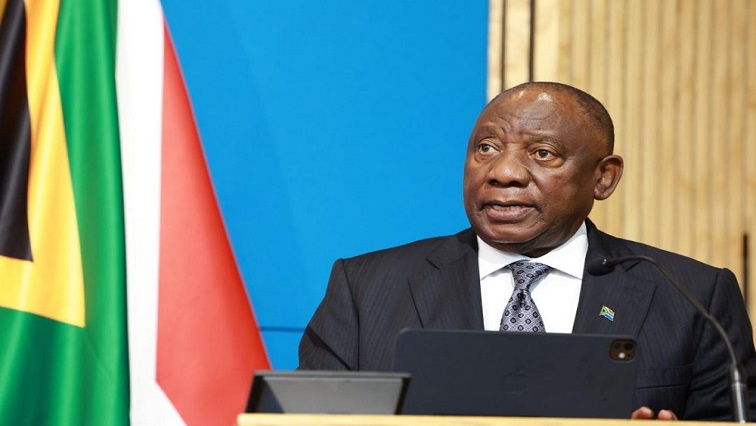
South African President Cyril Ramaphosa announced new plans last month aimed at strengthening border security and enforcing existing immigration laws. These efforts are part of a broader strategy to manage the influx of undocumented foreign nationals and address the concerns raised by anti-migrant groups. The recent actions follow the deportation or repatriation of more than 20,000 migrants from a temporary immigration center established in Musina, a town strategically located near the border with Zimbabwe. This earlier operation demonstrated the government's resolve to process and repatriate undocumented individuals efficiently.
The current situation echoes past tensions and periods of violence against foreign nationals in South Africa. In 2008, more than 60 people were killed in widespread violence involving attacks against foreigners across the country. These historical events serve as a stark reminder of the potential for xenophobic sentiment to escalate into deadly conflict, making the current investigations into migrant deaths particularly critical. The government's actions are thus under close scrutiny, both domestically and internationally, to prevent a recurrence of such widespread violence.