South Africa is on maximum operational readiness ahead of a deadline set by the anti-immigrant movement March and March for undocumented foreign nationals to leave the country. Tomorrow, 30 June, marks the date established by the group, which was founded by former Vuma FM presenter Jacinta Ngobese-Zuma. The country's security apparatus has been placed on high alert as the deadline approaches, signifying the government's serious approach to potential unrest. This heightened state of alert reflects concerns among authorities regarding the possibility of widespread disruptions and conflicts. The anti-immigrant movement, March and March, has been vocal in its demands, creating a tense atmosphere across various communities.
Authorities Mobilize for Deadline
National Joint Operational and Intelligence Structure (NatJoints) records indicate that since March 1, 2026, at least 103 cases linked to anti-immigrant sentiment have been registered, leading to 195 arrests. These statistics highlight a pattern of increasing anti-immigrant activities and the subsequent law enforcement response over several months. Authorities have intensified operations in the days leading up to the June 30 deadline, demonstrating a proactive stance to maintain public order and safety. In the past seven days alone, more than 2,700 individuals have been arrested across the country, a significant number that shows the scale of the pre-emptive law enforcement actions. These arrests cover a range of offenses, as police and other security agencies work to deter any actions that could escalate tensions or lead to violence.
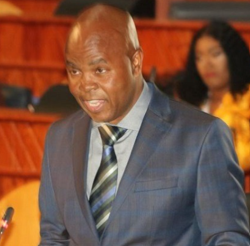
The South African Police Service (SAPS) allocated R600-million for its operation designed to counter potential anti-immigrant unrest ahead of the deadline. This substantial allocation shows the government's preparedness for potential disruptions and its commitment to deploying significant resources to manage the situation. The funding is intended to cover various operational costs, including increased patrols, intelligence gathering, and rapid response capabilities. Police Minister Firoz Cachalia issued a stern warning, stating that participation in protest action while armed, even with traditional weapons, is prohibited. This clear directive aims to prevent the escalation of protests into violent confrontations, emphasizing the importance of peaceful assembly.
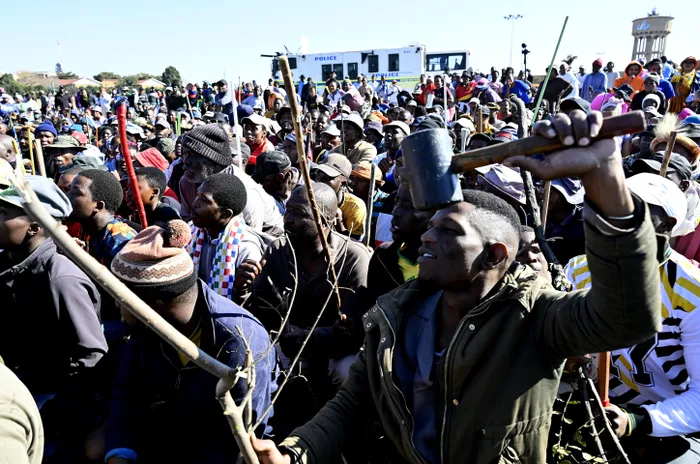
Cachalia's warning followed an incident in Jabulani, Soweto, on Monday, June 29, where protesters were observed brandishing knobkerries and sticks. The presence of such items at demonstrations has raised concerns among security officials regarding potential violence and the safety of both participants and the general public. The sight of traditional weapons at a protest shows the volatile nature of some of these gatherings and the challenges faced by law enforcement in ensuring peaceful demonstrations. The Monday protest in Jabulani served as a tangible example of the issues authorities are striving to prevent from recurring or escalating on the critical deadline date.
Movement's Demands and Incidents
More than 25,000 foreign nationals have been repatriated as the deadline approaches, indicating a significant movement of people in response to the prevailing climate. This large-scale repatriation effort reflects the impact of the anti-immigrant sentiment and the actions taken by authorities in the lead-up to the deadline. Law enforcement officials confirmed that four individuals are currently in custody, facing charges of public violence and house robbery. These arrests followed an incident where a group identified as March and March protesters reportedly entered a home in Johannesburg over the weekend, harassing a Congolese family. This specific incident notes the direct impact of the movement's activities on individuals and serves as a stark reminder of the potential for personal harm and property crime. The arrests signal that authorities are taking such incidents seriously and are committed to prosecuting those who engage in illegal activities under the guise of protest.
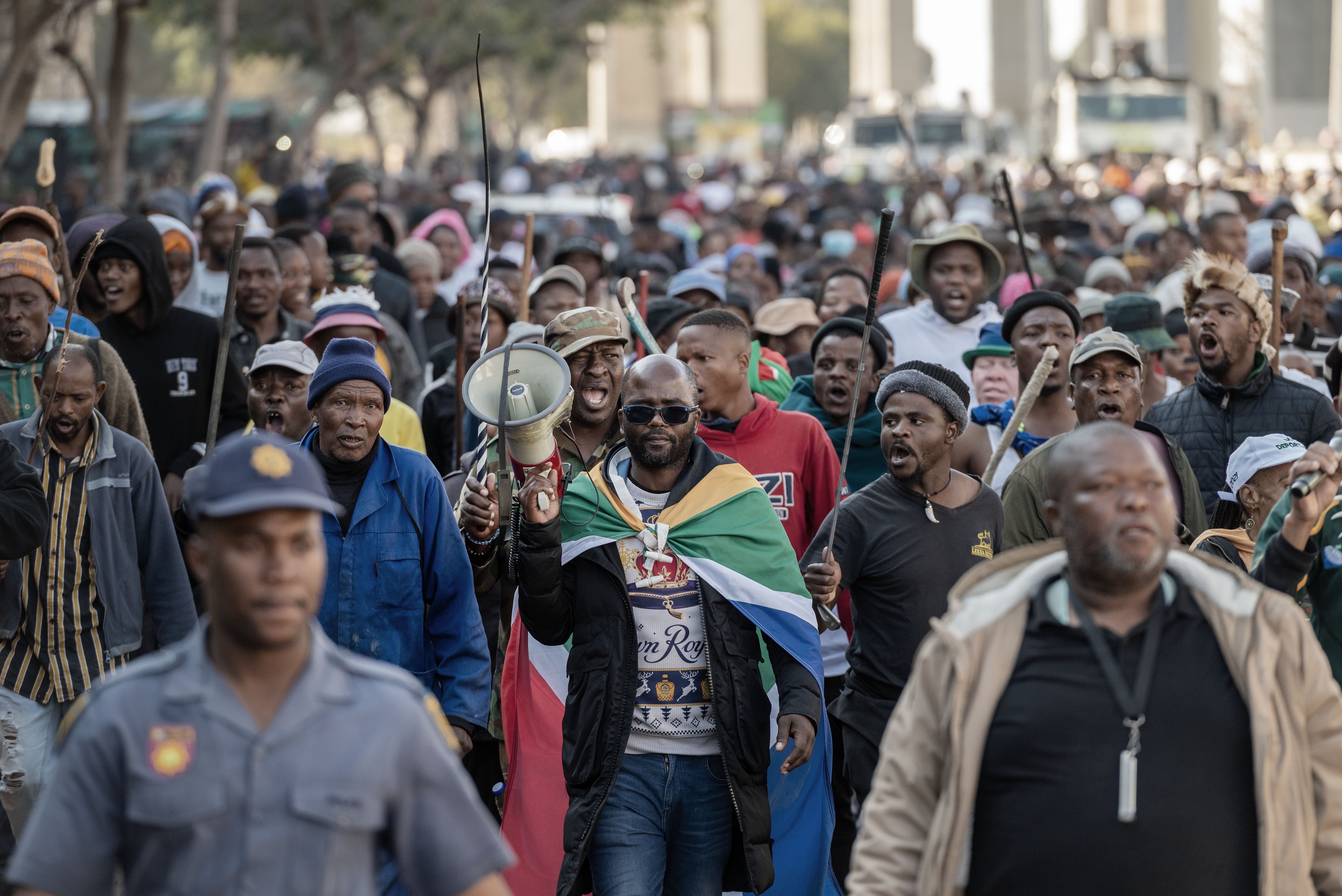
In Soweto, many businesses, particularly spaza shops, remained closed in the areas of Mapetla and Phiri during an anti-migrant protest held on Monday, June 29. This widespread closure illustrates the immediate economic disruption caused by such demonstrations, as local businesses, often vital to community life, choose to shut down for safety reasons. Approximately 3,000 protesters participated in a march through Soweto, showcasing the significant number of people involved in the anti-immigrant movement's activities. This large turnout shows the considerable support the movement draws in certain areas. Despite prior warnings against carrying weapons, March and March posters advertising protest actions on June 30 specifically state, "NO WEAPONS ALLOWED." This instruction on their own promotional material suggests an awareness within the movement of the legal prohibitions and the desire to project an image of orderly protest, even if individual actions sometimes contradict this stated intention. The discrepancy between the movement's official stance and observed behavior on the ground presents a complex challenge for law enforcement.
Economic and Legal Warnings
The Nelson Mandela Bay Business Chamber has warned that any disruption to business operations amid the planned national anti-immigration marches on June 30 “carries significant economic consequences.” The Chamber emphasized that such disruptions could lead to immediate financial losses for businesses, particularly small and medium-sized enterprises (SMEs) that rely on daily operations for their livelihood. These SMEs are often the most vulnerable to sudden closures or reduced customer traffic, potentially facing severe long-term impacts. This economic impact extends beyond direct revenue losses, potentially affecting supply chains and consumer confidence throughout the region. Disruptions can ripple through the economy, impacting suppliers, distributors, and ultimately consumers, leading to a broader slowdown in economic activity.
The business community across South Africa remains concerned about the broader implications of potential unrest, especially as the deadline for foreign nationals to leave approaches. Many businesses are preparing for various scenarios, including possible closures or reduced operating hours, to ensure the safety of their staff and assets. This preemptive action, while necessary for safety, further contributes to economic stagnation. The Chamber's statement notes the potential for widespread economic instability if the anti-immigrant actions lead to significant societal disturbance. The cumulative effect of numerous businesses closing or operating at reduced capacity could have a detrimental effect on local economies and the national GDP, at a time when economic recovery and stability are critical. The warnings from business leaders show the multifaceted challenges facing South Africa as it navigates this sensitive period, balancing security concerns with economic stability and social cohesion. The government's efforts to maintain order are therefore not only about public safety but also about safeguarding the nation's economic health against the backdrop of heightened social tensions.