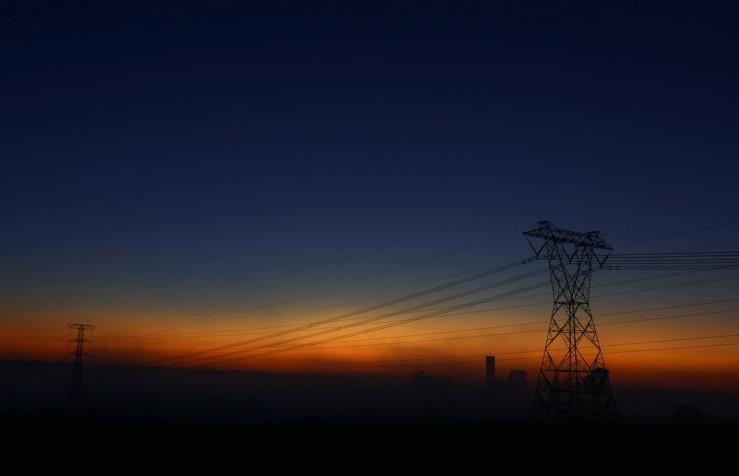
South Africa has unveiled a full and sweeping new pricing blueprint designed to introduce competition within the nation's electricity sector. The proposed overhaul represents the latest measure aimed at dismantling the century-long monopoly held by state utility Eskom. This ambitious initiative seeks to kickstart a competitive trading platform for electricity, fundamentally reshaping the country's energy landscape. The move is expected to foster a more dynamic and diversified power market in South Africa, marking a significant departure from the centralized system that has historically defined the nation’s energy supply. The blueprint's introduction signals a critical step towards addressing the country's long-standing energy challenges and fostering economic growth.
New Market Structure Detailed
The blueprint proposes separating electricity production costs into distinct components and establishing a regulated wholesale market anticipated to operate until 2030. This new market structure is designed to bring greater transparency and efficiency to the power sector. Under this new framework, power producers would receive three types of payments, each addressing a specific aspect of their operations and contribution to the grid. One payment would compensate them for maintaining the stability of their generation units, ensuring reliable power supply. A second payment would cover services contributing to overall grid stability, recognizing the essential role producers play in maintaining the integrity of the national electricity network. A third payment would be directly linked to the real-time cost of producing electricity, reflecting market dynamics and encouraging efficient generation. This multi-tiered payment system aims to incentivize both continuous operation and responsiveness to demand fluctuations.
The National Energy Regulator of South Africa (NERSA) intends to implement temporary “vesting contracts” to mitigate abrupt price fluctuations as the market transitions and opens. These contracts are designed to establish a baseline price for electricity, which will be determined by the running costs of production. This mechanism is key for providing a degree of certainty to producers during the initial, potentially volatile, phase of market liberalization. Should market prices drop below this established baseline, the state will provide additional funds to top up producers' revenue, ensuring their financial viability and preventing sudden financial distress. Conversely, if market prices exceed the baseline set by the vesting contracts, producers will be required to reimburse the difference to a central fund. This reimbursement mechanism aims to protect consumers from excessive price spikes and ensure a fair distribution of market gains, balancing the interests of both producers and end-users. The implementation of these contracts is a strategic move to manage the complexities of transitioning from a monopolistic to a competitive market.
Investment and Timeline
South Africa's renewable energy sector has attracted significant private investment over the past decade, with commitments exceeding 250 billion rand ($14 billion) from local banks and international energy companies. This substantial funding has supported the development of over 120 utility-scale projects across the country by international firms such as France’s Neoen and Saudi Arabia’s ACAW Power. These investments show the private sector's confidence in South Africa's renewable energy potential and its readiness to contribute to the nation's energy security. The influx of capital and expertise from global energy heavyweights has been instrumental in expanding the country's generation capacity and diversifying its energy mix. The expansion of renewable procurement has been a key driver of this investment, signaling a broader shift towards sustainable energy sources.
The National Energy Regulator of South Africa (NERSA) has outlined a clear timeline for the new electricity pricing blueprint, ensuring a structured and transparent implementation process. The public consultation window and associated stakeholder hearings are scheduled to conclude in August, allowing ample opportunity for input from various interested parties. NERSA’s formal decision on the blueprint is anticipated to follow several weeks to a few months after August, indicating a thorough review period post-consultation. The phased rollout of the plan is projected to commence in the third quarter and extend through 2027, demonstrating a commitment to a gradual and manageable transition. This multi-year implementation strategy aims to allow market participants to adapt to the new regulations and ensure a smooth integration of the competitive framework.
The introduction of this blueprint follows a period of severe energy instability in the country, noting the urgent need for systemic reform. South Africa experienced a critical electricity crisis, particularly between 2023 and 2023, during which record-breaking rolling blackouts posed a significant threat to the nation's economic stability. The crippling electricity crisis peaked during this period, with widespread outages severely impacting businesses and households alike. These prolonged blackouts, often referred to as loadshedding, threatened economic collapse and showed the vulnerabilities of the existing centralized power system. The memory of these challenging times serves as a powerful impetus for the current reforms, aiming to prevent a recurrence of such severe energy shortages and ensure a more resilient power supply for the nation.
Concerns and Future Liberalization
The proposed market restructuring directly impacts more than $14 billion in private international investment currently reshaping the nation’s grid. This substantial private capital, which has already been committed to the country’s energy infrastructure, will be directly affected by the new pricing mechanisms and market rules. This initiative follows President Cyril Ramaphosa's earlier decision to scrap licensing requirements for private power generation, a key move intended to accelerate independent power production and reduce bureaucratic hurdles for new projects. That earlier decision by President Ramaphosa was a significant step towards liberalizing the energy sector and encouraging greater private sector participation in electricity generation. The cumulative effect of these reforms is expected to fundamentally alter the operational landscape for all energy stakeholders.
However, the Energy Council of South Africa has raised concerns, warning that the pricing plan could distort the market before it fully establishes itself. The Council's apprehension stems from the potential for unintended consequences in the early stages of market development, suggesting that the regulatory interventions, while well-intentioned, might inadvertently impede natural market forces. The framework incorporates a hard exit strategy, directly linked to the expansion of private companies within the energy sector, which outlines the long-term vision for a fully liberalized market. This strategy specifies that once independent power producers collectively achieve or secure a 50% share of the country’s total installed electricity generation capacity, a mandatory sunset clause will be activated. This key clause is designed to dissolve state price protections, paving the way for a fully liberalized free market in electricity. This ultimate goal signifies a complete transition from a state-dominated system to one driven by competitive market dynamics, aiming to foster innovation, efficiency, and long-term energy security for South Africa.