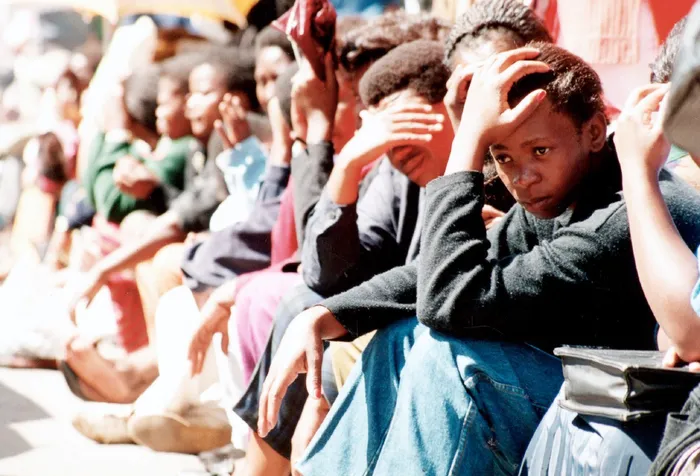
Every June, South Africa observes Youth Month, a national moment designed to honor the bravery and sacrifice of the 1976 youth. This annual observance sees the nation pause to honour the courage and sacrifice of those young individuals who played a key role in the country's history. Youth Month has become a symbolic national moment that is meant to recognise the importance of young people in society and reaffirm their place in the country’s development trajectory. The commemoration is intended to acknowledge the significance of young people in society and reaffirm their role in the country’s development trajectory. While the youth of 1976 struggled for the right to education, fighting for the right to learn, the current generation increasingly contends for the right to employment, facing a different yet equally pressing battle for the right to work. This stark contrast notes a persistent challenge that continues to define the experiences of young South Africans today.
The Stark Reality of Youth Unemployment
Unemployment among young people in South Africa remains a significant challenge, according to data from Statistics South Africa. The Quarterly Labour Force Survey for the first quarter of 2026 reported that the unemployment rate for individuals aged 15 to 24 reached 60.9%. This figure represents a substantial portion of the youngest segment of the working-age population struggling to find opportunities. For the slightly older demographic, those aged 25 to 34, the unemployment rate stood at 40.6%. These figures highlight the persistent difficulties young South Africans face in securing employment opportunities, painting a sobering picture of the economic landscape for the nation’s youth. The statistics show an enduring economic issue affecting a substantial portion of the nation's youth, raising concerns about long-term economic stability and social cohesion. This widespread unemployment not only impacts individual livelihoods but also has broader implications for national development and progress.
Youth Month's Missed Opportunity
Youth Month in South Africa risks becoming a period of reflection rather than a catalyst for substantive change. Indeed, Youth Month risks becoming a moment of reflection without transformation, where the language of empowerment is repeated annually while structural barriers remain largely unchanged. The annual commemoration sees the language of youth empowerment reiterated, yet structural barriers confronting young people often persist largely unaltered. This dynamic suggests a disconnect between the stated aims of the month and tangible progress in addressing the challenges faced by the youth. The persistent focus on rhetoric without corresponding transformative action raises questions about the efficacy of the observance in driving meaningful societal shifts. The annual reiteration of empowerment narratives, without a corresponding reduction in the high unemployment rates or an increase in accessible opportunities, shows a critical gap between aspiration and reality for many young people.
Systemic Failures Hindering Progress
South Africa’s youth unemployment crisis extends beyond an economic challenge, reflecting a broader systemic failure across key sectors. Youth unemployment is not only an economic crisis but also a reflection of a deeper leadership failure across government, business and education institutions. This perspective indicates that leadership deficiencies within government, the business community, and educational institutions are significant contributors to the ongoing difficulties faced by young people. The intricate nature of this crisis suggests that effective solutions require coordinated efforts and accountability from these various pillars of society. Without addressing these underlying leadership shortcomings, efforts to alleviate youth unemployment may continue to face substantial obstacles. This situation notes the necessity for full reforms that span policy-making, industry practices, and educational curricula to foster an environment conducive to youth employment and development. The persistence of high unemployment rates among young South Africans, despite ongoing national commemorations and discussions, shows the urgent need for these systemic issues to be confronted directly and decisively. A holistic approach that tackles these deep-seated problems is essential to empower the current generation and ensure their rightful place in the country's economic future.