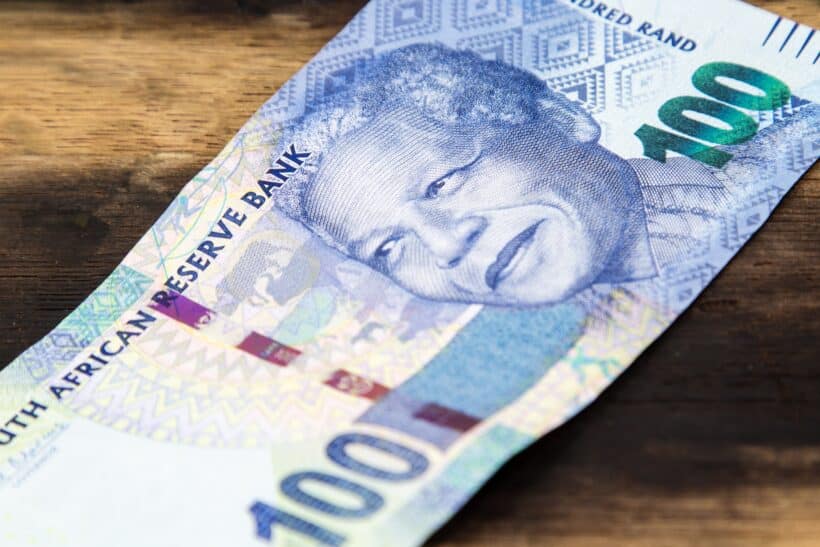
The South African rand remained steady on Monday, June 29, 2026. Investors awaited the release of month-end economic data and anticipated anti-immigration protests scheduled for Tuesday. The currency's stability reflected a cautious market sentiment as participants weighed domestic economic signals against potential social unrest. The rand's performance is often influenced by a combination of global factors and internal developments, making this week's data and events particularly impactful.
Key Economic Indicators Awaited
Investors are set to scrutinize a series of South African economic data releases throughout the week. These forthcoming figures are key for understanding the nation's financial health and economic trajectory. Key indicators include the nation's money supply and private sector credit figures, which offer insights into liquidity and lending activity within the economy. These metrics provide a snapshot of how much money is circulating and how much credit is being extended, both vital for economic growth. The central bank’s inflation expectations survey will also be closely monitored for signals on future monetary policy decisions. This survey is a forward-looking indicator that helps policymakers gauge inflationary pressures and adjust interest rates accordingly. Market participants await the release of the country's trade balance, providing a snapshot of import and export dynamics. A healthy trade balance often indicates a strong external sector and can support the rand. Finally, the budget balance data will be watched for indications of the government's fiscal health and expenditure patterns, all of which could influence market sentiment and the rand's performance. The government's ability to manage its finances is a key concern for investors, impacting confidence in the national economy.
Protest Risks Loom
At 1415 GMT, the rand traded at 16.4626 to the dollar, reflecting a slight increase from its previous close. This modest gain occurred despite looming domestic concerns. ETM Analytics has identified Tuesday's anti-immigration protests as a significant near-term risk for the currency. The prospect of social unrest often introduces volatility into currency markets, as investors seek stability. Demonstrators have set a deadline for undocumented migrants to depart, contributing to market apprehension. Such deadlines can escalate tensions and create uncertainty regarding social stability. The protests are expected to draw considerable attention and could potentially disrupt economic activity in affected areas.
ETM Analytics stated, "Once this risk passes and the week progresses, the rand should begin to trade within a range more reflective of global oil prices and broader risk sentiment." The firm noted the potential for the protests to temporarily overshadow other market drivers. This suggests that while the immediate focus is on domestic issues, the currency's longer-term trajectory will be influenced by international economic forces and investor appetite for risk. The firm's analysis shows the temporary but potent impact of social events on financial markets.
Broader Market Context
South Africa’s benchmark 2035 government bond weakened on Monday, reflecting broader market movements. Its yield increased by 3.5 basis points, reaching 8.22%. This rise in yield indicates that investors are demanding a higher return for holding the bond, often a sign of increased perceived risk or shifting market liquidity. Meanwhile, global oil prices saw an upward trend on Monday. This rise in oil prices followed several days of reciprocal strikes between the U.S. And Iran, which contributed to heightened geopolitical tensions in key oil-producing regions. The escalation of conflict in the Middle East typically impacts global energy markets, pushing prices higher due to supply concerns. These international developments influenced market sentiment globally, including the performance of South African assets. Higher oil prices can have a dual effect on the rand, potentially benefiting commodity exporters but also increasing import costs.
Analyst Outlook
The dollar was flat against a basket of currencies, indicating stable international conditions for the world's reserve currency. This stability suggests that global currency markets were not experiencing broad-based dollar movements that might otherwise influence emerging market currencies like the rand. On the Johannesburg Stock Exchange, the blue-chip Top-40 index saw a slight increase, rising by 0.1% during Monday's trading session. This modest gain indicated a degree of resilience in the local equity market despite the various domestic and international headwinds. The performance of the Top-40 index often serves as a barometer for investor confidence in South Africa's largest companies.