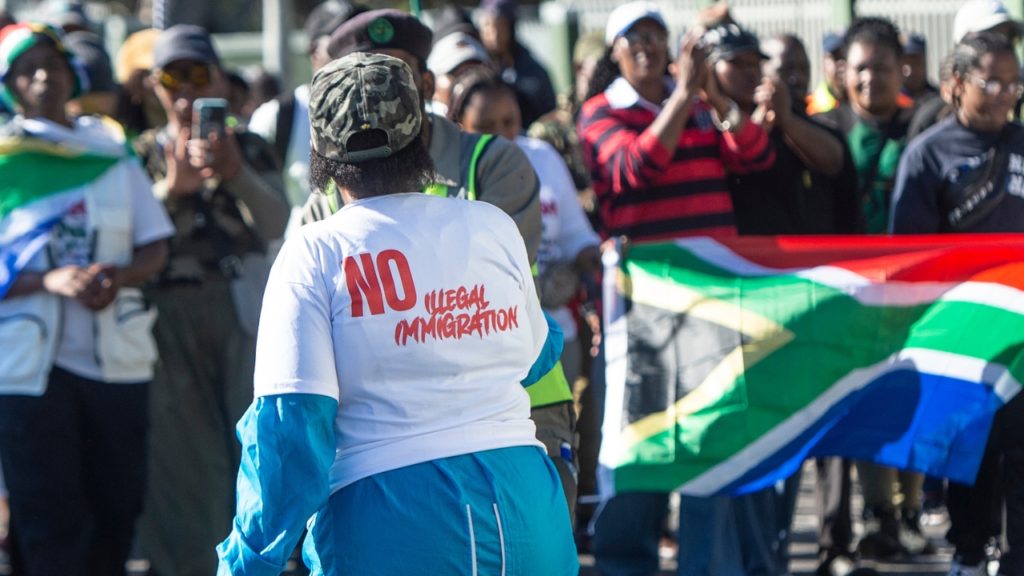
South African trade unions COSATU, FEDUSA, SAFTU, and NACTU have firmly rejected an unofficial June 30 deadline, which was set by anti-immigrant groups like March and March, not by any governmental body. The unions are cautioning their members against participating in any protests or demonstrations associated with this deadline. The unions issued a stark warning that workers who choose to skip work on June 30 to join demonstrations will not have job protection, and their employment could be jeopardized. They emphasized that disruptive protests "will not reopen factories, repair municipalities, strengthen public healthcare or create sustainable jobs," making it clear that such actions are counterproductive to national development. Union leaders showed that jobs could be at significant risk for those who do not report for duty as required.
Unions' Joint Statement
The Congress of South African Trade Unions (COSATU), the Federation of Unions of South Africa (FEDUSA), the South African Federation of Trade Unions (SAFTU), and the National Council of Trade Unions (NACTU) collectively released a full joint statement concerning the unofficial June 30 deadline. This unified message from the country's major labor federations came at a time when President Cyril Ramaphosa publicly called on South Africans to avoid blaming migrants for persistent national issues such as high unemployment rates and struggling public services. President Ramaphosa's appeal showed the critical importance of fostering national unity over promoting division and xenophobia. Concurrently, several African countries have initiated repatriation efforts for their citizens. Ghana, Nigeria, and Mozambique have all begun processes to facilitate the return of their nationals from South Africa, indicating a broader regional response to the escalating tensions and the unofficial deadline.
Economic Realities and Migrant Contributions
In their joint statement, the unions explicitly emphasized that the removal of foreign nationals would not, in their view, resolve South Africa's deep-seated economic and social challenges. They stated unequivocally that such actions "will not reopen factories, repair municipalities, strengthen public healthcare or create sustainable jobs." This position notes the unions' belief that the country's economic difficulties are not directly attributable to the presence of foreign workers. Their statement indicates a clear focus on addressing systemic issues rather than scapegoating migrant communities for job scarcity or problems in service delivery. The unions' stance also implicitly acknowledges the significant contributions foreign nationals make to various sectors of the South African economy, suggesting that their removal would not lead to an economic uplift but rather potentially exacerbate existing problems. They further warned members that skipping work to participate in protests on June 30 would not be protected, and their jobs would be on the line.
Repatriation Efforts and Local Tensions
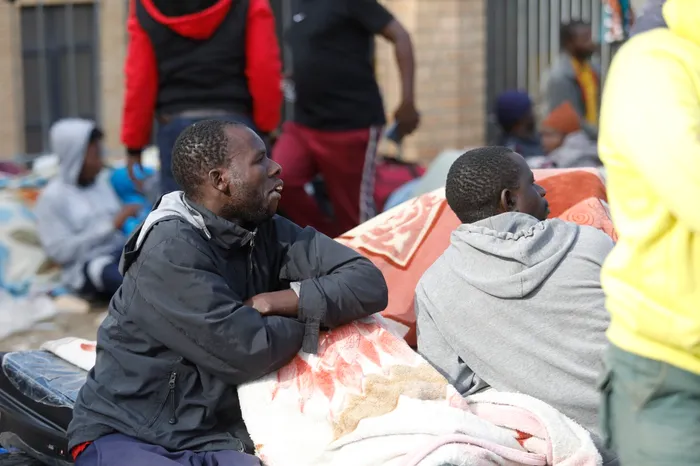
The volatile situation on the ground was tragically showed by clashes that erupted in Durban on Wednesday. Police confronted thousands of Malawians who had gathered, awaiting repatriation, leading to tense and difficult scenes. This incident notes the significant logistical challenges and the emotional distress faced by foreign nationals seeking to return home amidst rising anti-immigrant sentiment and local tensions.
Malawi has officially confirmed that approximately 10,000 of its citizens are currently in distress within South Africa and are actively hoping to return home. These ongoing repatriation efforts by various African countries, including Ghana, Nigeria, and Mozambique, reflect a broader regional response to the evolving situation in South Africa. The movements of these large groups of individuals show the immense pressure on their respective home governments to facilitate the safe and orderly return of their nationals, often in challenging circumstances.