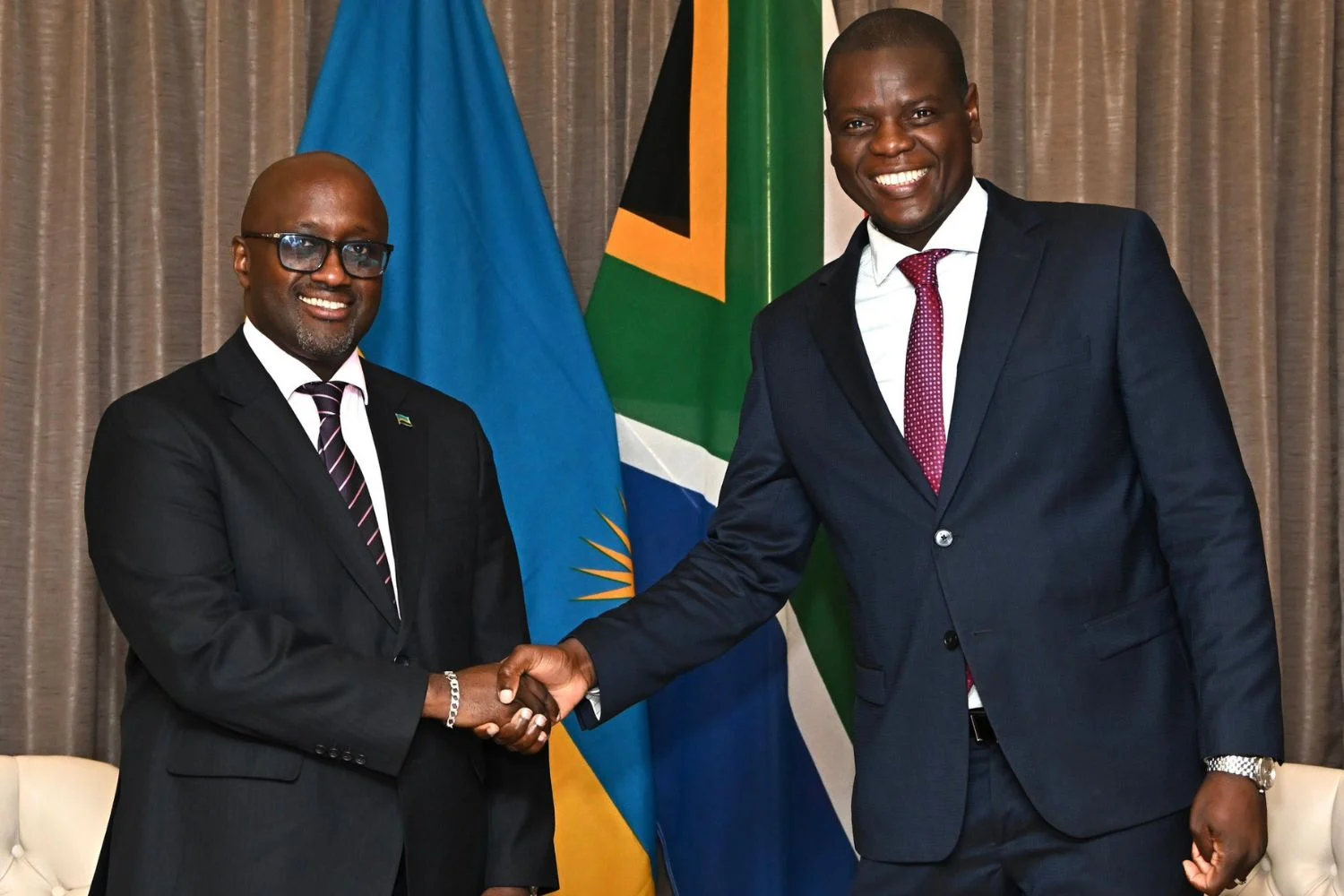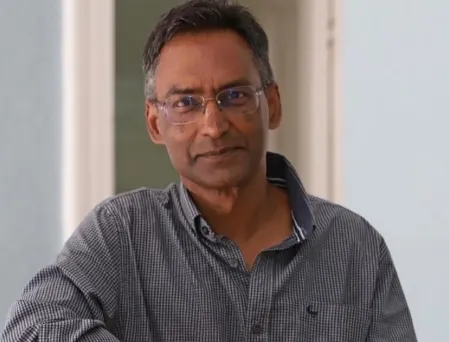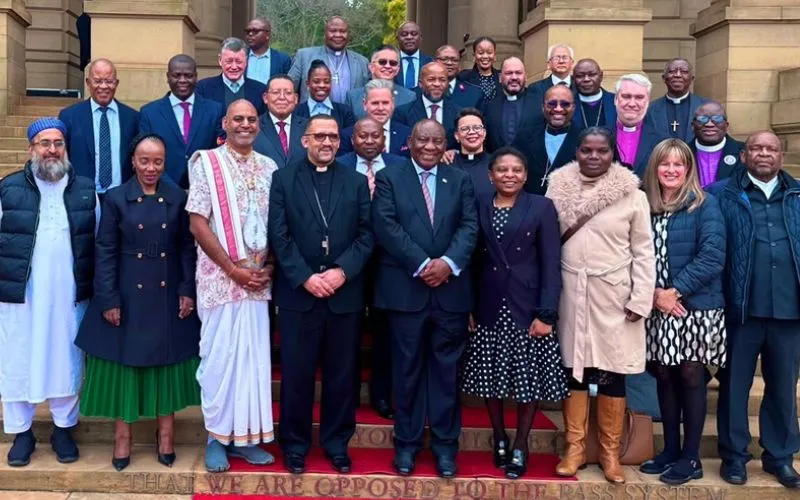
Archbishop Sithembele Sipuka, President of the South African Council of Churches (SACC), addressed President Cyril Ramaphosa on Wednesday, June 17, at the Union Buildings in Pretoria. Archbishop Sipuka emphasized that the nation's challenges predate the presence of foreign nationals, stating, "Mr President, if tomorrow every African foreign national were to leave this country, our problems would still be with us. The cause is not the foreigner. The cause is the elephant in the room. In isiXhosa, we say _ukufa kusembizeni_ — the problem is in the pot itself."
The Archbishop also expressed concern over the treatment of migrants, noting, "We have watched with profound disquiet as fellow human beings, regardless of how they came to be in our country, have been hunted down, harassed, violated, their livelihoods destroyed, and their lives threatened unless they leave." President Ramaphosa, in an address on June 17, acknowledged the need for balance, stating, "We can protect our borders while protecting human dignity. We can enforce our laws while upholding our Constitution. We can secure our communities while preserving the values of Ubuntu." He further affirmed that "Migration is not the cause of our problems, but it is something that we must manage constructively and collectively, always holding firm to our Constitutional principles and shared values."
Church's Stand Against Xenophobia
Archbishop Sithembele Sipuka emphasized the Church's stance against xenophobia, stating that the nation's problems would persist even if all foreign nationals departed. President Cyril Ramaphosa echoed this sentiment in a June 17 address, acknowledging that "illegal immigration is not the cause of our social and economic difficulties." He affirmed, "Migration is not the cause of our problems, but it is something that we must manage constructively and collectively, always holding firm to our Constitutional principles and shared values."
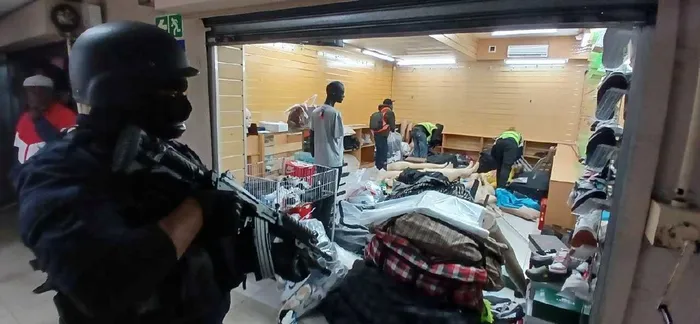
Church leaders have voiced significant concern regarding attacks on migrants, describing the violence as "inhumane," a violation of the Ubuntu philosophy, and an affront to human dignity. Archbishop Sipuka noted the historical context, reminding the public, "Not so long ago, we too were strangers, and the continent received us." He stressed that while grievances might be real, they do not justify violent responses, stating, "A real grievance does not make a violent remedy right." The Archbishop also asserted that law enforcement is the state's responsibility, not that of vigilant mobs, adding, "The enforcement of law is the work of the state, not of mobs."
The violence has significantly impacted thousands of families in KwaZulu-Natal, resulting in widespread displacement. President Ramaphosa outlined the government's approach to migration, asserting, "We can protect our borders while protecting human dignity. We can enforce our laws while upholding our Constitution. We can secure our communities while preserving the values of Ubuntu." Archbishop Sipuka urged for concrete action, noting that "Announcements without follow-through restore no one's confidence." He concluded by appealing to President Ramaphosa, saying, "Mr President, the stranger at our gate is not our enemy. Let this conversation be the beginning of a better and more just way forward."
Systemic Failures Identified
Archbishop Sithembele Sipuka identified the nation's core problems as originating from fundamental systemic weaknesses rather than the presence of foreign nationals. He pointed to a failing education system, widespread corruption, and collapsed services as the primary drivers of the country's difficulties. Church leaders collectively urged for sustained action to confront deep-seated issues such as unemployment, corruption, poor service delivery, and ineffective border management.
Archbishop Sipuka emphasized that while grievances within the population may be genuine, they do not justify violent responses. "A real grievance does not make a violent remedy right," he stated. He further clarified that law enforcement is exclusively the responsibility of the state, not of private groups, asserting, "The enforcement of law is the work of the state, not of mobs." The Archbishop also reminded the public of South Africa's historical context, noting, "Not so long ago, we too were strangers, and the continent received us." He stressed the importance of concrete action from the government, cautioning that "Announcements without follow-through restore no one's confidence." Archbishop Sipuka concluded by appealing to President Cyril Ramaphosa, stating, "Mr President, the stranger at our gate is not our enemy. Let this conversation be the beginning of a better and more just way forward."
President's Response and Call to Action
President Cyril Ramaphosa condemned anti-foreigner violence in a June 7 address to the nation. He acknowledged the complexities surrounding migration, stating, "We can protect our borders while protecting human dignity. We can enforce our laws while upholding our Constitution. We can secure our communities while preserving the values of Ubuntu." President Ramaphosa further affirmed that "Migration is not the cause of our problems, but it is something that we must manage constructively and collectively, always holding firm to our Constitutional principles and shared values."
Archbishop Sithembele Sipuka warned that inaction by law enforcement agencies in response to attacks on migrants could amount to 'silent complicity.' The Archbishop reiterated that "A real grievance does not make a violent remedy right," emphasizing the state's role in maintaining order. "The enforcement of law is the work of the state, not of mobs," he noted. Archbishop Sipuka also reminded the public of historical precedent, stating, "Not so long ago, we too were strangers, and the continent received us." He urged for tangible government action following pronouncements, cautioning that "Announcements without follow-through restore no one's confidence." President Ramaphosa acknowledged that employers sometimes exploit foreign nationals as cheap labor. Archbishop Sipuka concluded his appeal to President Ramaphosa by saying, "Mr President, the stranger at our gate is not our enemy. Let this conversation be the beginning of a better and more just way forward."