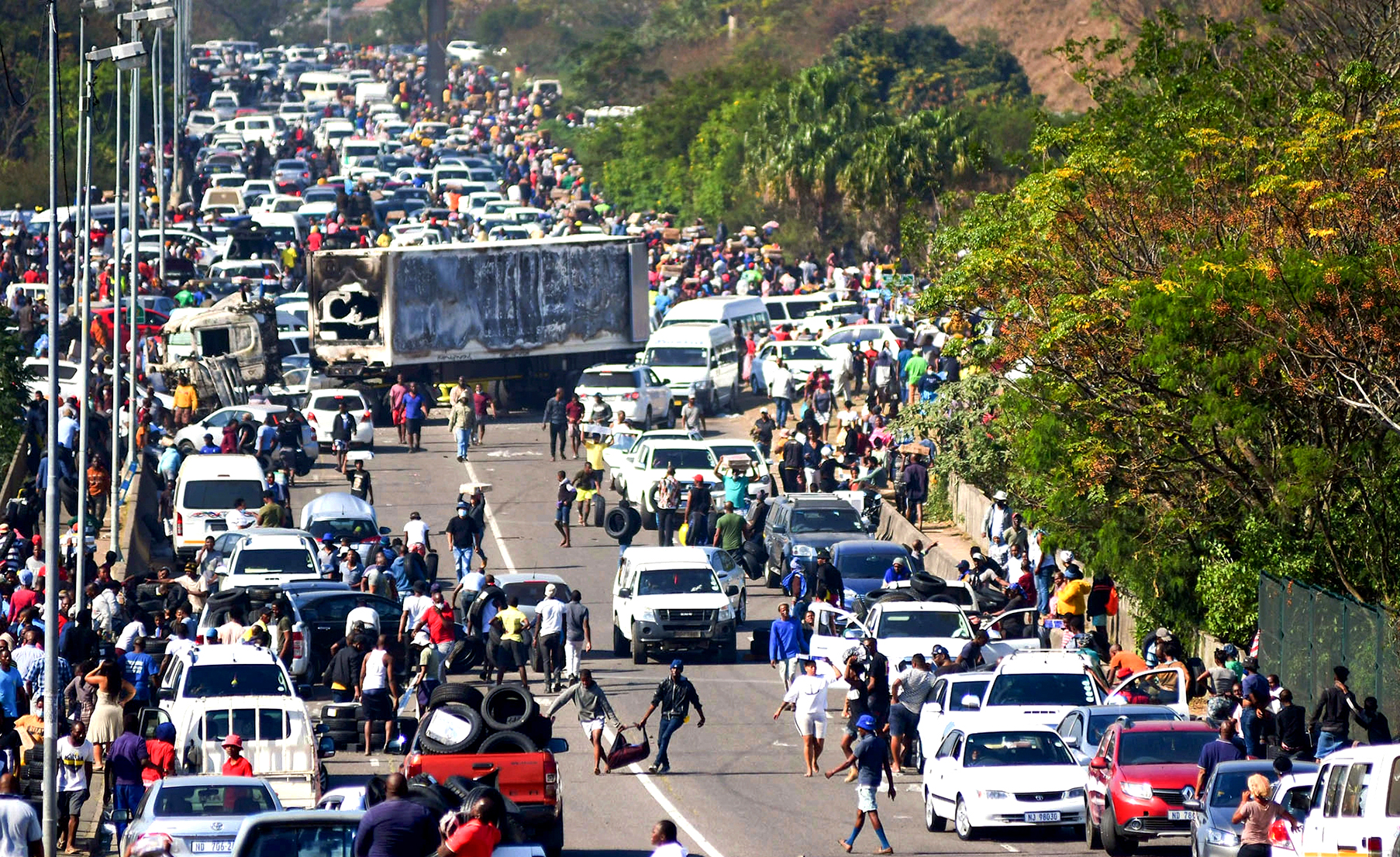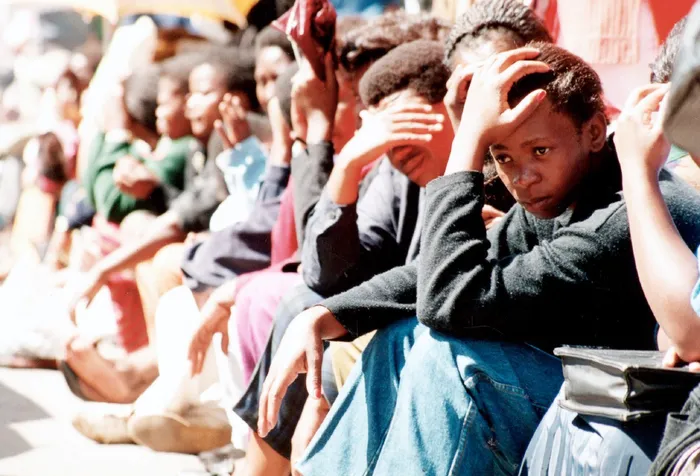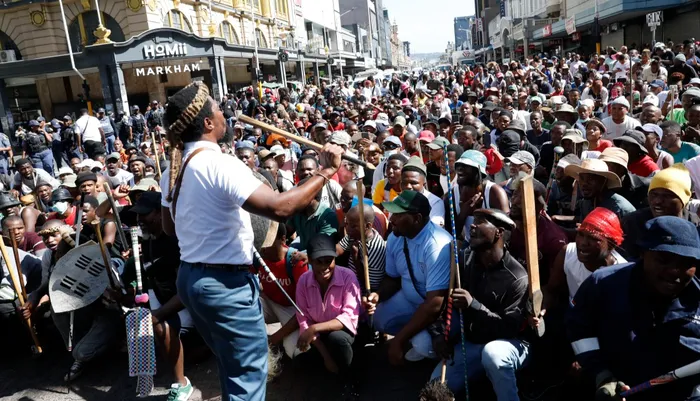
Threats and deadly conflict over migration are spreading rapidly across South Africa, creating a volatile environment and prompting President Cyril Ramaphosa to outline various initiatives aimed at lessening these conflicts in a televised address. The escalating tensions show a deepening crisis that demands immediate and full attention from both the government and civil society. President Ramaphosa stated that the core of the government's response was a five-point plan, agreed upon during a special cabinet committee meeting last week, "to seek to find sustainable solutions to these challenges." This plan was presented as a concerted effort to tackle the multifaceted issues driving the anti-foreigner sentiment. The President acknowledged that economic conditions and the poor state of many public services contributed significantly to public desperation. Ramaphosa admitted that grievances, including those regarding the influx of undocumented migrants, were “real." These grievances occur amid a staggering 32.7% unemployment rate in South Africa, with an alarming 37.8% of the population classified as very poor, noting the severe economic pressures faced by many citizens.
Escalating Xenophobia and Unmet Promises
Anti-foreigner sentiments in South Africa are reportedly being fueled by online campaigns that exhibit a high degree of organization and sophistication. These online efforts include the widespread dissemination of faked information and graphics, meticulously crafted to stir up public anger and fear, contributing to what is described as anti-foreigner hysteria. The deliberate manipulation of information online has significantly amplified the reach and intensity of xenophobic rhetoric, making it harder for accurate information to counter harmful narratives. The international community, including the UN secretary-general, Amnesty International, and several foreign governments such as Mozambique, Nigeria, and Ghana, has criticized South Africa for its perceived inadequate response to anti-migrant mobilization. This international concern shows the severity of the crisis and the need for more decisive action from the South African government.
The South African government's five-point plan, intended to address the crisis, included a strong law enforcement crackdown with intensified deportations and the establishment of dedicated immigration courts to expedite cases. It also outlined firm commitments to rooting out the employment of undocumented workers, securing the nation's borders more effectively, and tackling corruption through full reforms of identity systems. These measures were presented as critical steps towards restoring order and addressing legitimate concerns. However, a significant challenge to the plan's credibility is that virtually all specific actions detailed in these five parts had been previously announced by the South African government, though not as a unified strategy to confront the current crisis. This suggests a lack of novelty in the proposed solutions, raising questions about their potential effectiveness if previous attempts at implementation have faltered.
Implementation of these commitments has been notably slow, leading to frustration among the public and critics alike. The glacial pace of action has allowed anti-foreigner sentiment to continue festering, with little tangible progress to demonstrate the government's resolve. Very few agitators and attackers involved in anti-foreigner violence have been arrested, let alone charged, sending a concerning message about accountability. This lack of legal consequence for those inciting or participating in violence has been a major point of criticism, suggesting an enforcement gap. Compounding this issue, political leaders have also refrained from arresting or even publicly naming any of the individuals inciting dangerous actions. This perceived inaction from the political leadership further fuels concerns about the government's commitment to addressing the root causes and perpetrators of xenophobic violence. In a white paper released in 2025, the government further committed to establishing employment quotas for South Africans across various industries and to renegotiating bilateral agreements, indicating a longer-term strategy to manage labor and migration issues.
Addressing Root Causes and Systemic Failures
Addressing the country's acute unemployment crisis is key, according to the article's proposed solutions. The persistent high joblessness within South Africa is identified as a significant underlying factor contributing to the prevailing tensions, as economic hardship often exacerbates social friction and competition for scarce resources. The sheer scale of unemployment, particularly among the youth, creates a fertile ground for grievances to be directed towards migrant communities, who are sometimes perceived as competitors for jobs and opportunities. A full approach to job creation and economic empowerment is therefore seen as fundamental to alleviating the pressures that fuel anti-foreigner sentiment. Without a concerted effort to improve the economic prospects of its citizens, South Africa risks continued social unrest and division.
In 2005, South Africa and several of its neighbors reached an agreement on a protocol designed to facilitate the movement of persons within the southern African region. This protocol was intended to streamline cross-border travel and residency for citizens of signatory nations, aiming to foster regional integration and economic cooperation. However, since its signing by various heads of state in the region in 2005, there has been no discernible progress in its implementation. This lack of advancement on this regional agreement notes a systemic failure to address issues related to migration and economic integration effectively, which some observers suggest has exacerbated local frustrations and contributed to the anti-foreigner sentiment. The failure to operationalize such a key regional framework means that migration often remains informal and unregulated, leading to increased tensions and a perception of uncontrolled influxes, rather than managed cross-border movement. This stagnation has prevented the development of a coherent regional strategy for migration, leaving individual nations to grapple with complex issues unilaterally.
Pathways to Unity and Stability
The article proposes forming a collective political front among parties to actively counter anti-foreigner activities in South Africa. This approach aims to present a unified, unequivocal stance against xenophobia and promote social cohesion across the political spectrum. Such a united front would send a powerful message that xenophobia is unacceptable and will not be tolerated, irrespective of political affiliation. It would also provide a platform for consistent messaging and coordinated action, moving beyond fragmented responses.
In addition to political action, the article suggests mobilizing civic and religious institutions to combat irresponsible politicking. This measure intends to engage community leaders and faith-based organizations, which often hold significant moral authority and influence within their communities, in advocating for responsible discourse and countering narratives that fuel anti-foreigner sentiment. These institutions can play a vital role in fostering empathy, understanding, and social harmony at the grassroots level, providing a key counterbalance to inflammatory rhetoric. By leveraging their networks and moral standing, civic and religious groups can promote messages of unity and human dignity, helping to de-escalate tensions and build bridges between different communities.
A further proposal outlined in the article is the renegotiation of colonial-era bilateral labor agreements with South Africa's five neighboring countries. These historical agreements, often outdated and not reflective of contemporary economic realities, contribute to the complexities of cross-border labor migration. The renegotiation seeks to update these frameworks to better manage labor migration and address current economic conditions, potentially reducing tensions related to employment and cross-border movement. These revised agreements could establish clearer, more equitable frameworks for migrant workers, aiming to benefit both South Africa and its neighbors by creating structured pathways for legal employment and addressing concerns about undocumented labor. Such a proactive approach would replace ad hoc or informal arrangements with transparent, mutually beneficial policies, fostering greater stability and trust in the region.