South Africa generated approximately 130,000 net new full-time equivalent work opportunities annually between the 2013/14 and 2023/24 tax years. Despite these additions, the national unemployment rate increased to 32.7% in the first quarter of 2026, according to data released by Stats SA. These figures show persistent challenges within the country's labour market, noting a significant disconnect between the pace of job creation and the demands of a growing workforce. The inability to generate sufficient employment opportunities has broad consequences, extending beyond economic indicators to impact social stability and individual well-being. This alarming trend has particular implications for South Africa's youth, who are disproportionately affected by joblessness, facing formidable barriers to entering the formal economy and securing stable livelihoods. The structural nature of these employment challenges suggests a need for deep-seated reforms and strategic interventions to address the root causes of unemployment.
Stagnant Job Creation
South Africa's formal sector job creation rate stands at just under 1% per annum. This sluggish growth rate is a major contributing factor to the nation's high unemployment figures. The country currently reports around 12 million formal sector jobs, a number that has remained largely insufficient to absorb the increasing pool of job seekers. Even if formal sector employment were to grow at an accelerated rate of 3% per annum, a substantial improvement over current trends, it would still take over 50 years to substantially reduce the nation's high unemployment figures to more manageable levels. This long-term outlook shows the severity of the challenge and the urgent need for more impactful and immediate solutions. The informal economy already employs more workers than the formal manufacturing sector, noting a significant reliance on non-traditional employment opportunities. While the informal sector provides a key safety net for many, it often lacks the stability, benefits, and growth potential associated with formal employment, further complicating efforts to improve overall labour market conditions.
Pandemic's Uneven Impact
The COVID-19 pandemic created a dividing effect on labour market outcomes between younger and older workers in South Africa, exacerbating existing inequalities. The economic shockwaves of the pandemic were felt across all demographics, but their impact was far from uniform. Workers aged above 35 years demonstrated surprising resilience to the pandemic's economic shock, with their employment numbers falling only slightly before quickly reaching or surpassing pre-pandemic levels. This demographic often benefits from greater job security, established networks, and accumulated experience, which provided a buffer against the worst of the economic downturn.
In stark contrast, younger cohorts experienced significant contractions in employment, revealing their vulnerability to economic fluctuations. The 15-25 age cohort's employment decreased by 5% due to the pandemic, representing a considerable setback for those just entering or attempting to enter the workforce. The 25-35 age cohort faced an even more substantial setback, with their employment contracting by 15% during the same period. This notes the uneven burden carried by different age groups in the South African labour market during the pandemic's economic disruptions, with younger workers bearing the brunt of job losses and reduced opportunities. The long-term implications of these early career setbacks for young people could include reduced earning potential and prolonged periods of economic insecurity.
Youth Unemployment Crisis
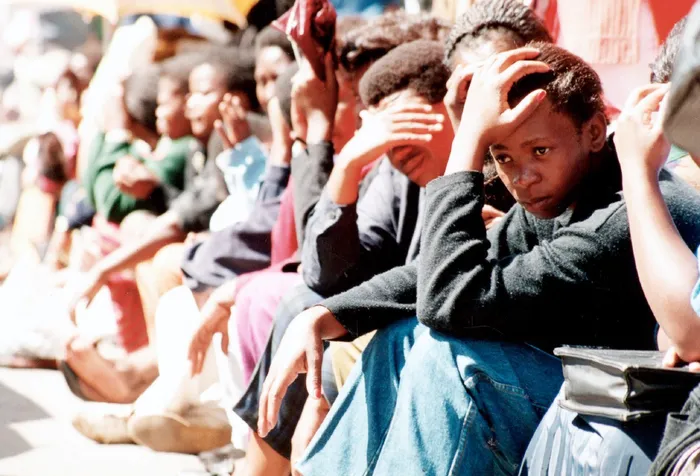
The number of unemployed job seekers in South Africa increased significantly from approximately 8 million in 2014 to almost 12 million by 2024, reflecting a decade of worsening employment prospects. This rise has disproportionately affected younger demographics, who face systemic barriers to employment, including limited access to education, skills mismatches, and a lack of entry-level positions. Among young people aged 15 to 24, unemployment reached a staggering 60.9% in the first quarter of 2026, indicating that more than three out of five individuals in this critical age group are unable to find work. Applying a broader measure for youth, encompassing individuals aged 15 to 34, more than four in 10 young people were not in employment during the same period. This widespread youth unemployment crisis not only stifles economic growth but also contributes to social unrest and a sense of disenfranchisement among a significant portion of the population. The high rates of joblessness among young people represent a profound loss of human potential and a serious challenge to the country's future prosperity.
Urgent Need for Intervention
The ongoing challenges in South Africa's labour market, particularly for its youth, necessitate immediate and full interventions. The escalating unemployment figures, especially among younger cohorts, point to a systemic issue demanding strategic solutions that go beyond incremental adjustments. Addressing the disconnect between job creation rates and the growing workforce is key to prevent further exacerbation of the crisis. This requires a multi-faceted approach involving targeted investments in job-creating sectors, educational reforms to align skills with market demands, and policies that support both formal and informal sector growth. Without decisive action, the long-term consequences for South Africa's economic stability and social cohesion could be severe, perpetuating a cycle of poverty and inequality for future generations.