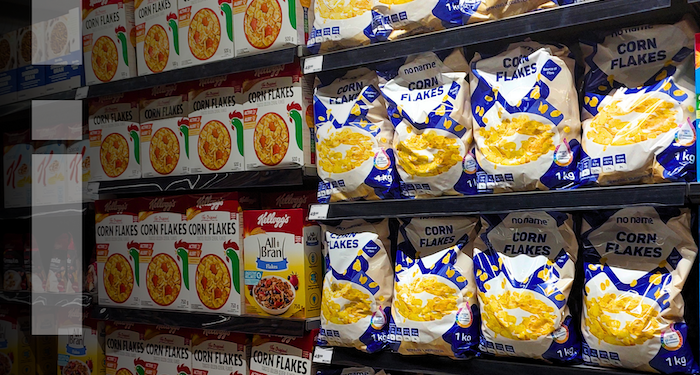
South Africa's fast-moving consumer goods (FMCG) market is experiencing a significant structural shift, as private brands expand their footprint. This transformation signals a fundamental change in how consumers shop and how retailers strategize. The market share of private brands within the total commodities sector increased from 20% in 2020 to 28% by 2024, demonstrating a consistent upward trend. This notable growth indicates a growing consumer preference and retailer focus on store-label products across the country, fundamentally reshaping the competitive landscape. The South African FMCG landscape is thus undergoing a profound structural shift, with private labels at the forefront of this evolution.
Market Share and Growth Trajectory
The financial impact of this trend is substantial. Private brand turnover in South Africa is projected to reach an impressive R139 billion in 2025. This significant figure is expected to constitute 28.6% of the total fast-moving consumer goods (FMCG) sales for that year, showing the increasing economic power of private labels. The growth trajectory for private labels is particularly evident in specific categories, where they are not just competing but often outperforming national brands.
In 2024, confectionery private brands demonstrated significant expansion, with their value growing by 24.7% year-on-year. This strong growth rate notably outpaced the overall confectionery category, which recorded a more modest 10.81% increase in value during the same period. This disparity notes a clear trend where private label products are capturing a larger share within key consumer segments, indicating a shift in consumer trust and purchasing habits towards store-branded confectionery items. The success in this category suggests that consumers are increasingly open to private labels even in product areas traditionally dominated by established brands.
Shifting Shopper Behavior and Drivers
The role of private brands within retail strategies is evolving dramatically. Private brands are transitioning from being mere tactical tools, often used for price competition, to becoming core drivers of a retailer’s long-term business strategy, brand identity, and overall profitability. This strategic repositioning reflects a deeper commitment from retailers to develop and promote their own label offerings as key differentiators.
Despite this strategic shift and the growing acceptance of private brands, price remains a significant consideration for consumers. However, it is key to note that price alone is not the defining factor in shopper decision-making when it comes to private brands. While cost-effectiveness is important, other elements like quality, availability, and specific promotional offers also play a vital role. Data indicates that 44% of shoppers actively trying to save money would prioritize searching harder for promotions on national brands before making the switch to private brands. This suggests that for a considerable segment of the market, the immediate perceived value of a discount on a known brand can outweigh the consistent lower price point of a private label.
However, other consumer groups show different preferences and motivations. An overwhelming 91% of stokvel members report they would purchase private brands if satisfactory bulk discounts were available. This statistic reveals a strong potential for private label growth within specific community purchasing models, where collective buying power and value for money are critical. This indicates that tailored promotional strategies, particularly those focusing on bulk purchases, could unlock significant market share among these groups. Barriers to private brand adoption are reported to be eroding in discretionary categories, indicating a broader acceptance of these products beyond essential goods. This signals a growing consumer confidence in the quality and variety of private labels, even for items that are not daily necessities.
Category Exceptions and Barriers
Despite the overall growth and increasing penetration, some categories present notable exceptions to private brand dominance. Carbonated beverages, for instance, remain a sector where private brands hold a remarkably limited share, accounting for just 3%. This low penetration is attributed to entrenched brand loyalty and deeply ingrained taste habits among consumers in the soft drink market. Consumers often have strong preferences for specific national brands in this category, making it challenging for private labels to gain significant traction. Entrenched brand loyalty and deeply ingrained taste habits continue to act as significant barriers in soft drinks, illustrating how powerful established consumer preferences can be.
Conversely, private brand penetration in the pet care category is reported to be strong, indicating varying levels of consumer acceptance across different product types. This suggests that in categories where quality and value are perceived to be high, and where emotional attachment to specific national brands might be less pronounced, private labels can thrive. The disparities across categories highlight that while private brands are gaining substantial traction, certain segments continue to be heavily influenced by established brand preferences and long-standing consumer habits, posing specific challenges to their expansion efforts. These dynamics suggest a nuanced market where private label success is not uniform across all product categories, requiring targeted strategies for different segments.