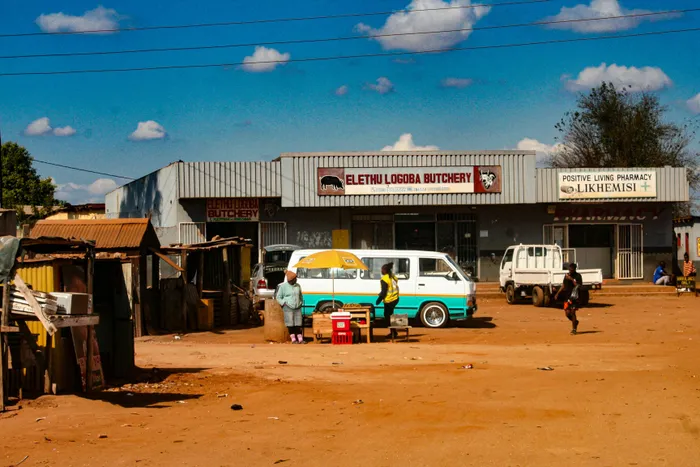
South Africa's township economy, estimated to be worth hundreds of billions of rand, sustains millions through spaza shops, informal traders, and various micro-enterprises. To support these businesses, the R500 million Spaza Shop Support Fund was launched in 2025. This initiative aimed to empower locally owned enterprises by providing aid for stock, infrastructure improvements, refrigeration, and compliance with regulations.
Fund's Unfulfilled Promises
The Township Entrepreneurs Agency (TEA) asserts that the Spaza Shop Support Fund has not fulfilled its promise, leaving beneficiaries uninformed. The organization identifies transparency and accountability as core issues for spaza shop owners, extending beyond mere access to financial resources. TEA stated, "This well-intentioned initiative has not fulfilled the promise it offered, leaving many prospective beneficiaries in the dark."
The TEA emphasizes the critical role of these businesses within communities. "If you want to support spaza shops, you need to shift your perspective," the agency remarked, adding, "These are not just micro-enterprises selling basic goods, they are distribution centres key to community economic activity." The TEA called for granular data on the R500 million Spaza Fund, stating, "To policymakers, funders, and corporate partners, the request is simple: show us the numbers. It is essential to publish granular data on the R500 million Spaza Fund and all allocations associated with the township economy."
Community Economic Hubs
The Township Entrepreneurs Agency emphasizes that spaza shops function as distribution centers key to community economic activity and possess substantial growth potential. "If you want to support spaza shops, you need to shift your perspective," the TEA stated, adding, "These are not just micro-enterprises selling basic goods, they are distribution centres key to community economic activity." The agency noted that the government, large corporations, and community efforts "must work together to pave the way for these businesses to thrive." Critical challenges for spaza shop owners include a lack of trust stemming from unfulfilled past promises, opaque funding processes without public dashboards, and a perceived absence of intentional leadership. "The township economy is not in need of further announcements," the TEA concluded, stating, "it requires trustworthy systems that reflect the resilience, creativity, and determination embedded within every spaza shop, street vendor, and home-based business across the nation."
Pathways to Accountability
To improve accountability, the Township Entrepreneurs Agency (TEA) has called for the publication of granular data regarding the R500 million Spaza Fund and all allocations connected to the township economy. The TEA stated, "To policymakers, funders, and corporate partners, the request is simple: show us the numbers. It is essential to publish granular data on the R500 million Spaza Fund and all allocations associated with the township economy." The organization also proposed streamlining application processes and collaborating with established community organizations in townships to achieve better outcomes. The TEA emphasized that "the government, along with large corporations and community efforts, must work together to pave the way for these businesses to thrive." The agency advocates for trustworthy systems, asserting, "The township economy is not in need of further announcements, it requires trustworthy systems that reflect the resilience, creativity, and determination embedded within every spaza shop, street vendor, and home-based business across the nation."