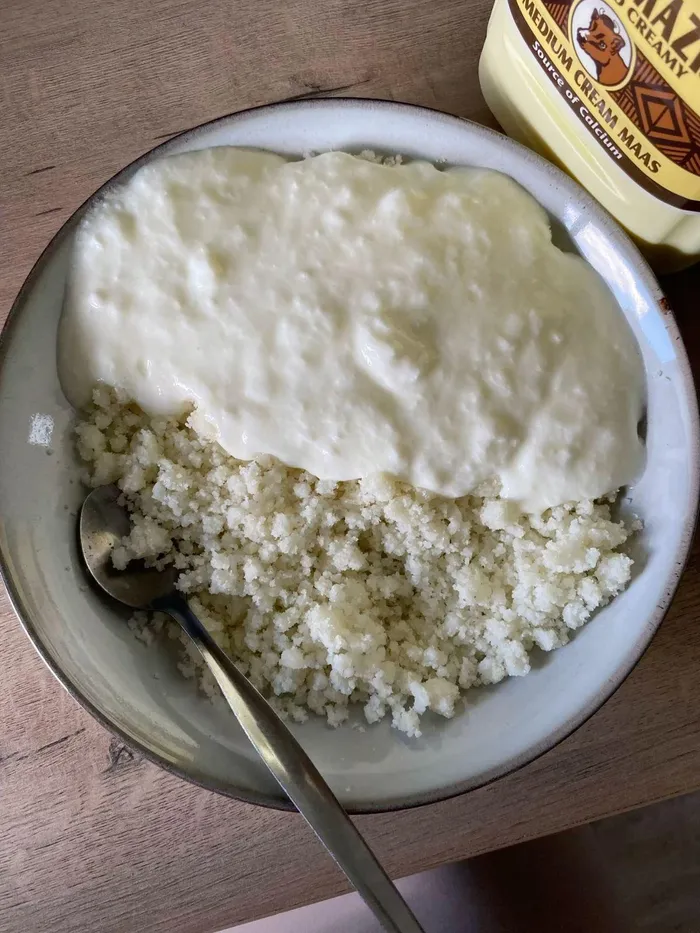
A traditional South African dish, Umphokoqo, typically consists of crumbled maize meal, known as uphuthu, mixed with amasi, a fermented milk product. This simple yet profound combination forms the backbone of a meal deeply rooted in the country's culinary heritage. The preparation of Umphokoqo is straightforward, involving the careful blending of the crumbled maize meal with the distinctive tang of amasi. The dish is a staple in many communities across South Africa, cherished for its simplicity and nutritional value. This report, published by IOL, delves into the preparation and cultural significance of Umphokoqo, with an estimated reading time of 2 minutes for readers to learn more about the culinary debate surrounding its ingredients. The article aims to shed light on the diverse preferences and strong opinions that define the discussion around this beloved dish.
A Taste of Tradition
Published on Monday, July 20, 2026, the article explores the traditional preparation of Umphokoqo. While the dish fundamentally combines crumbled maize meal and fermented milk, variations exist in its consumption. The core components remain consistent: uphuthu, the crumbled maize meal, is meticulously mixed with amasi, the fermented milk, to create the dish. This method ensures that the authentic flavour profile of Umphokoqo is maintained. Some families enhance the dish by incorporating a small amount of fresh cream, according to the report, adding a touch of richness to the traditional recipe. Others prefer to serve umphokoqo as an accompaniment to grilled meat, known locally as inyama, noting its versatility as a side dish rather than a standalone meal. These diverse serving methods highlight the dish's versatility and its deep integration into South African culinary practices, showcasing how different households adapt the tradition to their tastes.
The Sweet Counter-Argument
The discussion regarding the inclusion of sugar in umphokoqo has caused divisions among families, friendships, and social media users for an extended period. Indeed, the debate over adding sugar to umphokoqo has divided families, friendships, and social media timelines for years, becoming a contentious topic in many South African households. Advocates for adding sugar contend that its sweetness mitigates the characteristic tanginess of amasi, thereby establishing a more harmonious flavour profile in the dish. This perspective emphasizes that the sugar serves to balance the sharp notes of the fermented milk, enhancing the overall taste experience for those who prefer a less acidic culinary offering. Proponents of adding sugar state that sweetness softens the tanginess of amasi and creates a balance of flavours, making the dish more palatable to a broader range of tastes. This approach, they argue, transforms the dish into a more universally appealing comfort food without detracting from its fundamental character.
Voices From Both Sides
Umphokoqo holds a significant place in South African cuisine, commonly described as one of the nation's ultimate comfort foods. This characterization shows its deep cultural resonance and its role beyond mere sustenance, often evoking feelings of home and tradition. The dish's simple yet satisfying combination of crumbled maize meal and fermented milk contributes to its status as a beloved staple across diverse communities. Its widespread appeal as a comfort food notes its established position in the culinary landscape, making any alteration to its traditional form a subject of passionate discussion. The debate over sugar inclusion, therefore, touches upon a dish deeply ingrained in the collective memory and palate of many South Africans, reflecting differing preferences on how this traditional food should be experienced. The discussion around its preparation extends beyond taste to encompass personal and cultural interpretations of what constitutes the "perfect" umphokoqo, revealing the strong emotional connection people have to their food traditions.
Broader Meaning of Comfort
Traditionalists contend that the addition of sugar fundamentally alters umphokoqo. They argue that sugar masks the authentic flavour of amasi, transforming a heritage dish into something akin to a dessert. This perspective suggests that maintaining the original, unsweetened profile of umphokoqo is key for preserving its cultural integrity and traditional taste. Traditionalists argue that adding sugar masks the authentic flavour of amasi and turns a heritage dish into dessert, fundamentally changing its identity. For them, the true essence of Umphokoqo lies in the unadulterated taste of its primary ingredients, and any deviation, especially the introduction of sweetness, diminishes its authenticity. The debate notes differing views on culinary evolution versus the preservation of established recipes within South African cuisine, showcasing a tension between adapting to modern palates and safeguarding ancestral culinary practices.